
Wood Adhesive Guide: Choose the Best Glue for Every Project
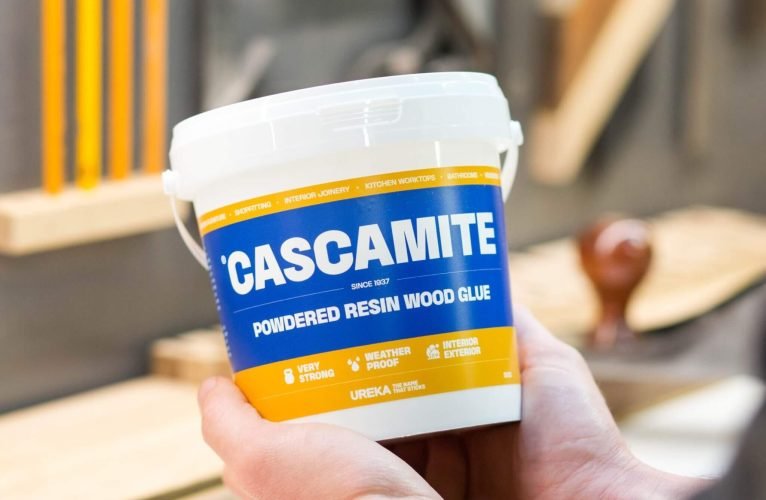
Choosing the right adhesive can make a major difference in the strength, appearance, and durability of a woodworking project. Whether you are repairing a chair, building furniture, installing wooden panels, or working on a small DIY craft, the glue you use should match the materials and conditions involved. A reliable wood adhesive creates a strong bond while helping prevent joints from separating over time.
With so many products available, finding the best wood glue can sometimes feel confusing. Understanding the different types of adhesives, their applications, and the qualities that matter most can help you make a confident choice.
Why Choosing the Right Wood Adhesive Matters
Wood is a natural material that expands and contracts as temperature and humidity change. A poor-quality adhesive may fail when the wood moves, leaving cracks or weak joints. The right wood adhesive is designed to bond wooden surfaces securely and provide sufficient flexibility and strength.
A good adhesive should spread smoothly, offer a reasonable working time, and create a durable bond after curing. For professional woodworking as well as household repairs, selecting a glue designed specifically for wood can produce better results than relying on a general-purpose adhesive.
Types of Wood Glue to Consider
Different woodworking projects require different adhesive properties. PVA wood glue is one of the most commonly used options because it is easy to apply, affordable, and suitable for many indoor projects. It works particularly well for furniture assembly, cabinets, shelves, and general repairs.
Polyurethane glue is another option when greater moisture resistance is required. It can be useful for projects exposed to changing environmental conditions, although it generally requires careful application.
Epoxy adhesives are valued for their excellent strength and gap-filling ability. They can be useful when joining uneven surfaces or repairing damaged wooden components. However, they usually require more preparation and curing time.
For quick repairs, specialized instant adhesives can also be useful. They are convenient for small applications but may not be the ideal choice for structural woodworking joints.
How to Find the Best Wood Glue
The best wood glue depends on the specific project rather than simply the product with the strongest label. Before buying an adhesive, consider where and how the finished item will be used.
For indoor furniture, a quality PVA adhesive may provide everything you need. If the project will regularly encounter moisture, choose a formulation designed to handle humid or damp conditions. Outdoor woodworking requires an adhesive with appropriate weather and moisture resistance.
You should also consider drying time. Fast-setting glue can be convenient for minor repairs, while a longer working time may be preferable when assembling large furniture pieces that require careful positioning.
Surface Preparation Is Essential
Even the highest-quality wood adhesive cannot compensate for poorly prepared surfaces. Before applying glue, make sure the surfaces are clean, dry, and free from dust, grease, or loose material.
Wooden surfaces should generally fit together properly before adhesive is applied. Excessively large gaps can reduce the effectiveness of some glues. Sanding may help create suitable surfaces, but avoid leaving excessive dust behind.
Apply the adhesive according to the manufacturer’s instructions. Too little glue may result in incomplete coverage, while excessive application can create unnecessary mess and longer cleanup times.
Clamping Creates Stronger Joints
Clamping is an important part of many woodworking projects. After applying glue, clamps can hold the pieces securely in their correct positions while the adhesive cures.
The amount of pressure required depends on the project and adhesive. Excessive pressure can squeeze out too much glue, while insufficient pressure may allow the pieces to move. The goal is to maintain firm contact between the surfaces without damaging the wood.
Always follow the recommended curing time before placing significant stress on a newly bonded joint. Drying and curing are not always the same thing, and an adhesive that feels dry may still need additional time to reach its full strength.
Common Mistakes to Avoid
One common mistake is choosing glue based only on its advertised strength. The strongest adhesive is not necessarily the most appropriate for every woodworking application.
Another mistake is rushing the curing process. Moving, sanding, or loading a joint too soon can weaken the finished connection. It is also important not to ignore storage instructions. Adhesives can lose performance when exposed to unsuitable temperatures or when stored for long periods after opening.
Using the wrong amount of glue is another frequent problem. A consistent, appropriate layer is usually more effective than flooding the joint with adhesive.
Making Your Woodworking Projects Last
A quality wood adhesive is only one part of creating durable woodworking joints. Accurate measurements, properly prepared surfaces, suitable clamping, and sufficient curing time all contribute to a successful result.
When selecting the best wood glue, think about the wood type, project location, moisture exposure, required strength, working time, and application method. This approach will help you choose an adhesive that suits the job instead of relying on a one-size-fits-all solution.
Final Thoughts
The right adhesive can turn a simple woodworking project into a strong and long-lasting creation. From basic household repairs to detailed furniture construction, understanding your adhesive options makes the entire process easier.
Rather than choosing a product simply because it claims to be powerful, focus on compatibility, durability, moisture resistance, application requirements, and curing time. With the right wood adhesive and proper preparation, your joints can remain secure and dependable for years. Ultimately, the best wood glue is the one that matches your particular project and is used correctly from preparation through final curing.