
Timeless Design: Where Art, Craftsmanship, and Interior Living Meet
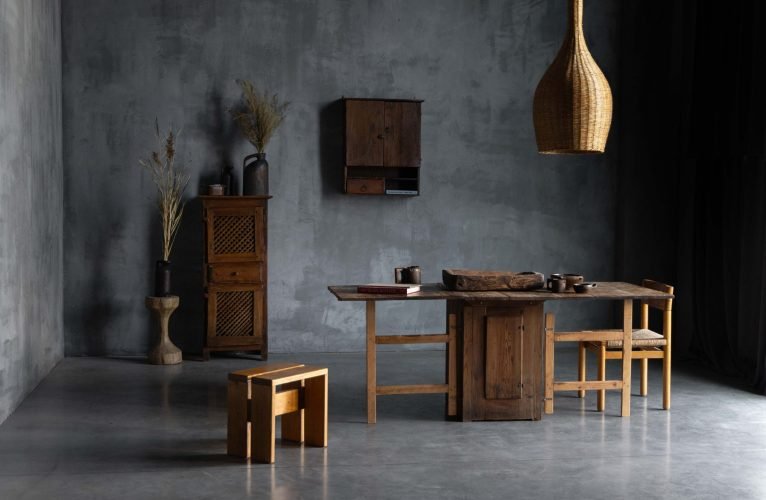
The most compelling interiors are often created through a dialogue between history and contemporary living. Rather than relying on short-lived trends, sophisticated spaces bring together furniture, architecture, art, and materials that possess enduring character. This philosophy can be explored through the work of Dom Hans van der Laan, the principles of Wabi Sabi, and influential movements such as the Amsterdamse School, Art Deco, Mid-Century Design, and Brazilian Design.
Each design tradition offers a distinctive perspective on how people experience their surroundings. Dom Hans van der Laan explored proportion, spatial relationships, and architectural harmony, creating a foundation for understanding how objects and spaces can exist together. In a different but complementary way, Wabi Sabi celebrates simplicity, natural materials, imperfection, and the passage of time.
These ideas remain highly relevant in contemporary interiors because they encourage thoughtful selection rather than excessive decoration. A carefully chosen piece can establish the character of an entire room.
The Evolution of Collectible Furniture
The history of modern furniture reveals an ongoing conversation between craftsmanship and functionality. Pierre Chapo demonstrated how solid wood could be transformed into sculptural furniture with powerful architectural qualities. His work continues to appeal to collectors who appreciate natural materials, expressive construction, and understated sophistication.
The contribution of Charlotte Perriand offers another important lesson. Her designs connected furniture with everyday life, emphasizing comfort, usability, and relationships between objects and their environment. This approach is closely associated with the concept of Functional Art, where furniture serves a practical role while simultaneously possessing artistic value.
The work of Jean Prouvé adds an industrial dimension to this history. His interest in engineering, construction, and efficient production resulted in furniture that expresses its structural logic. This combination of technical thinking and visual simplicity continues to influence contemporary designers.
Modern Forms with Lasting Appeal
The creative partnership of Afra & Tobia Scarpa demonstrates how innovation can coexist with traditional craftsmanship. Their furniture often explores materials and construction techniques while maintaining a strong sense of comfort and refinement.
Similarly, Mario Bellini created influential forms that challenged conventional ideas about furniture. His designs demonstrate how a chair or sofa can become a sculptural presence within an interior without sacrificing usability.
The iconic Camaleonda represents another important example of furniture designed around flexibility and interaction. Its modular character allows individual sections to be arranged according to the requirements of different spaces. This adaptability makes the design particularly relevant to contemporary interiors where rooms are expected to perform multiple functions.
The Character of Wood
Natural wood has always played an important role in collectible design. The work of Nakashima demonstrates a deep respect for timber and its individual characteristics. Instead of treating natural irregularities as imperfections, this approach allows knots, grain, edges, and variations to contribute to the identity of each piece.
This philosophy creates an interesting connection with Wabi Sabi. Both approaches recognize that authenticity can emerge through natural variation and visible signs of material history. In an interior, wooden furniture can introduce warmth and texture while balancing harder surfaces such as stone, glass, and metal.
The work of Pierre Jeanneret provides another example of how natural materials and strong geometry can produce furniture with distinctive character. His designs demonstrate that simplicity does not have to mean visual emptiness. Proportion, structure, and material can create a powerful presence.
Contemporary Collecting and Design Identity
Within contemporary collectible design, boris devis represents an appreciation for furniture that connects historical influence with modern interiors. Goldwood by Boris reflects a design-oriented approach in which distinctive furniture becomes part of a broader interior narrative.
For collectors exploring Goldwood by Boris furniture, the value of a piece extends beyond its immediate appearance. Its material, construction, historical influence, and relationship with surrounding objects can all contribute to its presence within a space.
The design character associated with Goldwood by Boris Antwerp reflects an environment where European design traditions meet contemporary collecting culture. Meanwhile, Goldwood by Boris interiors can be considered through their emphasis on carefully selected furniture, balanced composition, and meaningful material combinations.
The perspective of Boris Devis designer also emphasizes the importance of context. A collectible object can communicate differently depending on its architectural setting. Natural light, wall textures, flooring, surrounding furniture, and spatial proportions all influence the way a design is perceived.
Building an Interior with Character
Creating a memorable interior does not require every object to belong to the same period. In fact, combining different design languages can create greater depth. Pierre Chapo can sit within a contemporary architectural environment, while Charlotte Perriand can complement modern materials. The structural clarity of Jean Prouvé can contrast beautifully with the organic qualities of Nakashima.
References to Amsterdamse School, Art Deco, Mid-Century Design, and Brazilian Design can similarly be introduced through furniture, lighting, architectural details, and materials. The objective is not to recreate a historical period but to understand its visual principles and reinterpret them for contemporary life.
A thoughtfully curated Goldwood by Boris collection can become a foundation for this approach. Each object contributes its own story while participating in a larger composition.
Ultimately, enduring interiors are built around authenticity rather than novelty. The combination of craftsmanship, proportion, functionality, natural materials, and cultural history allows furniture to remain relevant across generations. When carefully curated, collectible design becomes more than an interior accessory. It becomes part of the architecture of everyday life, creating spaces that feel distinctive, refined, personal, and connected to the wider history of design.