
Lead Dust Wipe Sampling and Mold Testing and Assessment: A Guide to a Safer Indoor Environment
Maintaining a safe and healthy indoor environment is essential for homeowners, property managers, business owners, and building occupants. However, hidden environmental hazards such as lead dust and mold can pose serious risks if they are not identified and addressed promptly. Two important services that help detect these issues are Lead Dust Wipe Sampling and Mold Testing and Assessment. These services provide valuable information about indoor environmental conditions and help property owners make informed decisions about cleaning, remediation, and long-term prevention.
Understanding how these assessments work, when they are needed, and why professional testing matters can help you protect your property and the health of its occupants.
What Is Lead Dust Wipe Sampling?
Lead dust wipe sampling is an environmental testing method used to determine whether lead-containing dust is present on surfaces within a building. Lead dust can accumulate on floors, windowsills, window troughs, and other surfaces, particularly in older properties where lead-based paint may have been used.
When lead-based paint deteriorates or is disturbed during renovation, sanding, scraping, or demolition, it can release tiny particles into the surrounding environment. These particles may settle on household surfaces and become a potential exposure hazard, especially for young children.
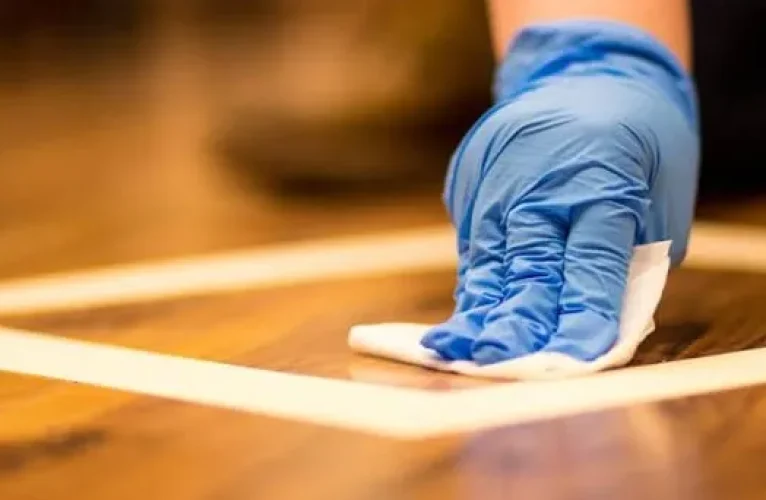
Professional Lead Dust Wipe Sampling involves collecting dust samples from designated surfaces using specialized wipes and established sampling procedures. The samples are then sent to an appropriate laboratory for analysis to determine the amount of lead present.
Why Is Lead Dust Wipe Sampling Important?
Lead exposure can negatively affect human health, particularly in children and pregnant individuals. Children are especially vulnerable because their developing bodies and behaviors can increase the risk of ingesting contaminated dust.
Lead dust wipe sampling is useful in several situations, including:
- Older homes and buildings with potential lead-based paint.
- Properties undergoing renovation or repair work.
- Post-renovation cleaning verification.
- Rental properties and childcare facilities where lead hazards may be a concern.
- Environmental investigations following suspected lead contamination.
By identifying lead dust contamination, property owners can take appropriate steps to reduce exposure and arrange professional cleaning or lead hazard control when necessary.
Understanding Mold Testing and Assessment
Mold is a type of fungus that can grow in indoor environments when moisture and suitable surfaces are available. Common sources of excess moisture include plumbing leaks, roof damage, condensation, flooding, and inadequate ventilation.
Mold can develop on drywall, ceilings, carpets, insulation, wood, and other building materials. While some mold growth is easy to see, it can also remain hidden behind walls, beneath flooring, or inside ventilation systems.
Mold Testing and Assessment is a process used to investigate suspected mold problems, evaluate moisture conditions, and determine the appropriate next steps. A professional assessment typically begins with a visual inspection of the property, including areas with visible discoloration, water damage, musty odors, or signs of persistent dampness.
Depending on the situation, the assessment may include moisture measurements, thermal imaging, and targeted sampling of air or building materials. Laboratory analysis can help characterize collected samples when testing is appropriate.
Signs That You May Need Mold Testing and Assessment
Recognizing early warning signs can help prevent minor moisture problems from becoming more extensive building issues. Consider a professional assessment if you notice:
- Persistent musty or unpleasant odors.
- Visible mold spots on walls, ceilings, or other surfaces.
- Water stains, bubbling paint, or peeling wallpaper.
- Previous flooding or recurring plumbing leaks.
- Condensation around windows or poorly ventilated rooms.
- Occupant concerns about indoor air quality.
Not every mold situation requires laboratory testing. In many cases, identifying and correcting the moisture source, followed by appropriate removal of affected materials, is the most important course of action.
How These Services Work Together
Although lead dust wipe sampling and mold testing focus on different environmental hazards, both services support healthier indoor spaces.
Lead dust wipe sampling focuses on detecting lead contamination on surfaces, while mold testing and assessment investigates fungal growth and the moisture conditions that allow it to develop.
These services may be particularly valuable during property inspections, renovation projects, real estate transactions, and investigations involving older or water-damaged buildings.
For example, a property undergoing renovation may require lead dust sampling to evaluate potential contamination from disturbed paint. If the same property has experienced water intrusion, a mold assessment may also be appropriate to identify moisture-related concerns.
Combining the right environmental assessment services can provide a clearer understanding of potential hazards and help property owners prioritize corrective measures.
Benefits of Hiring Environmental Testing Professionals
Working with qualified environmental professionals offers several advantages. Trained specialists follow appropriate sampling procedures, identify areas of concern, and help ensure samples are collected and handled correctly.
Key benefits include:
- Accurate assessment: Appropriate methods help identify potential environmental hazards.
- Informed decision-making: Results support practical decisions about cleaning, repairs, and remediation.
- Health protection: Identifying hazards helps reduce opportunities for harmful exposure.
- Property maintenance: Early detection can help prevent ongoing contamination and moisture damage.
- Verification: Follow-up testing, when appropriate, can help determine whether specific cleanup objectives have been achieved.
Always select professionals familiar with applicable local requirements and use laboratories with appropriate qualifications for the type of analysis being performed.
Preventing Lead Dust and Mold Problems
Prevention is an important part of maintaining a healthy indoor environment. For potential lead hazards, avoid disturbing old painted surfaces without understanding the risks and following applicable lead-safe work practices. Use qualified contractors for work that may disturb lead-based paint, and arrange appropriate cleaning and verification when required.
To prevent mold growth, repair leaks promptly, maintain effective ventilation, control indoor humidity, and dry water-damaged materials quickly. Investigate recurring dampness instead of simply covering stains or cleaning visible mold without addressing its source.
Regular property inspections and timely maintenance can help identify problems before they become more difficult and expensive to resolve.
Conclusion
A healthy indoor environment begins with understanding and managing potential environmental hazards. Lead Dust Wipe Sampling helps identify lead contamination on surfaces, while Mold Testing and Assessment helps investigate mold growth, moisture problems, and related building concerns.
Whether you own a residential property, manage a commercial building, or are preparing for renovation, professional environmental assessments can provide useful information to guide appropriate corrective action. By addressing lead dust risks, controlling moisture, and responding promptly to suspected mold, you can support a cleaner, safer, and better-maintained indoor environment.