
How do you choose the right size and thickness of a flat bar for a project?
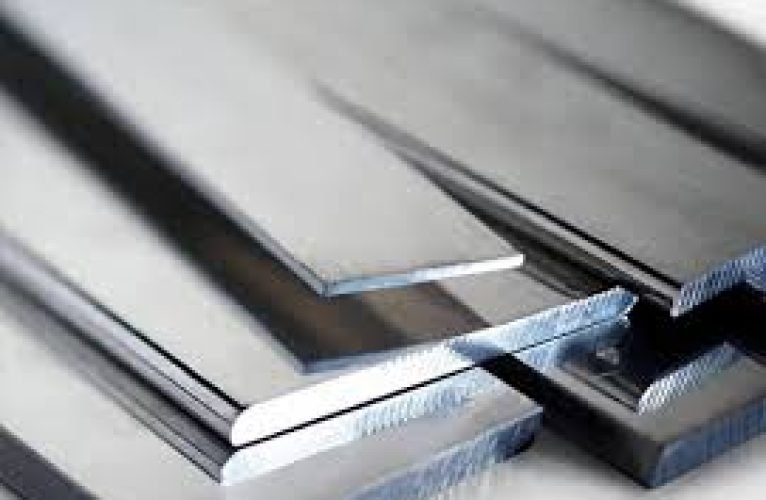
Selecting the right size and thickness of a flat bar is a critical step in ensuring the success and durability of any project. Flat bars are versatile metal products commonly used in construction, fabrication, and manufacturing projects. Whether you are working on structural supports, decorative elements, or custom fabrications like a perforated panel, making the correct choice can save both time and cost. But how exactly do you determine the ideal flat bar for your project? Let’s explore the factors that play a role in this decision.
Understand the Purpose of the Flat Bar
The first step in choosing the right flat bar is understanding its intended function. Flat bars can serve structural, decorative, or functional purposes. For instance, if you are constructing a load-bearing support, the flat bar must have sufficient thickness to handle stress and weight without bending or breaking. On the other hand, if you are creating a perforated panel for ventilation or design purposes, you may prioritize aesthetic appeal, weight, and ease of installation over extreme structural strength.
Different applications require different properties. Structural applications generally demand thicker flat bars, while lighter tasks such as framing, trims, or decorative panels may allow for thinner bars. Always consider what the flat bar will experience in terms of load, pressure, and environmental exposure.
Consider Material Type and Strength
Not all flat bars are created equal. Steel, aluminum, stainless steel, and other alloys each have unique properties affecting strength, durability, and flexibility. Steel flat bars are commonly used in heavy-duty projects due to their strength and affordability, while aluminum flat bars are lightweight and resistant to corrosion, making them ideal for outdoor or decorative applications. Stainless steel flat bars are perfect when corrosion resistance and aesthetics are equally important.
Understanding the material’s tensile strength and how it interacts with thickness is crucial. A thin steel flat bar may carry the same load as a thicker aluminum bar due to the difference in material strength. Therefore, evaluating material properties alongside thickness and size is essential.
Measure the Load and Stress Requirements
One of the most critical factors in choosing the size and thickness of a flat bar is the load it needs to bear. You must calculate the expected stress, weight, and pressure the flat bar will encounter during use. Structural calculations can determine the minimum thickness required to prevent bending, warping, or failure. For example, in architectural applications, a flat bar supporting a railing or platform must handle not only static weight but also dynamic forces such as people leaning or moving across it.
If the flat bar is part of a perforated panel design, consider both the weight of the panel and the effect of perforations on structural integrity. Holes and cut-outs reduce the overall strength, so you may need to increase the thickness of the bar to compensate.
Determine the Width and Length
The width and length of a flat bar are as important as its thickness. Width affects both structural stability and visual appearance, particularly in decorative applications. A wider flat bar distributes stress more evenly and provides a solid appearance, which is often desirable in visible structures or custom panels.
Length must also be carefully considered to minimize wastage and avoid unnecessary joints or welds. Longer bars may require thicker material for additional support, while shorter bars can often be thinner without compromising strength.
Check Standard Sizes and Fabrication Compatibility
Flat bars are manufactured in standard thicknesses and widths, so checking what is readily available can save time and money. Standard sizes also ensure compatibility with other materials and fabrication processes. If your project involves welding, cutting, or forming flat bars into perforated panel, consider the equipment’s limitations. Using excessively thick flat bars might complicate cutting and punching operations, while very thin bars may bend or warp during fabrication.
Factor in Environmental Conditions
The environment in which the flat bar will be used impacts your choice of size and thickness. Outdoor applications exposed to weather, moisture, or chemicals require corrosion-resistant materials, and sometimes thicker bars to account for wear over time. Indoor applications may allow lighter materials and thinner sections, especially in decorative or aesthetic projects.
Consult Fabrication Guidelines for Perforated Panels
Perforated panels, in particular, require careful consideration. The size, pattern, and spacing of perforations affect both strength and rigidity. Choosing a flat bar that is too thin may result in excessive bending or warping, while excessively thick bars can make the perforation process difficult and expensive. Consulting fabrication guidelines or a professional fabricator can help determine the optimum thickness for your perforated panel, balancing structural integrity with visual appeal.
Plan for Future Adjustments or Load Changes
Finally, consider potential future modifications. If your project may undergo changes, such as additional weight or modifications to the perforated panel, selecting a slightly thicker flat bar initially can prevent costly upgrades later. Overengineering slightly, within reason, often ensures longevity and flexibility.
Conclusion
Choosing the right size and thickness of a flat bar is not just about picking a number from a catalog. It requires understanding the application, material properties, load requirements, environmental conditions, and fabrication limitations. Whether you are building structural supports, creating decorative elements, or designing a perforated panel, careful consideration ensures both functionality and durability. By evaluating these factors systematically, you can select a flat bar that meets your project’s needs while optimizing cost, strength, and aesthetics.