
A Complete Guide to SS 304 Bolts and SS 316 Bolts: Properties, Applications & Benefits
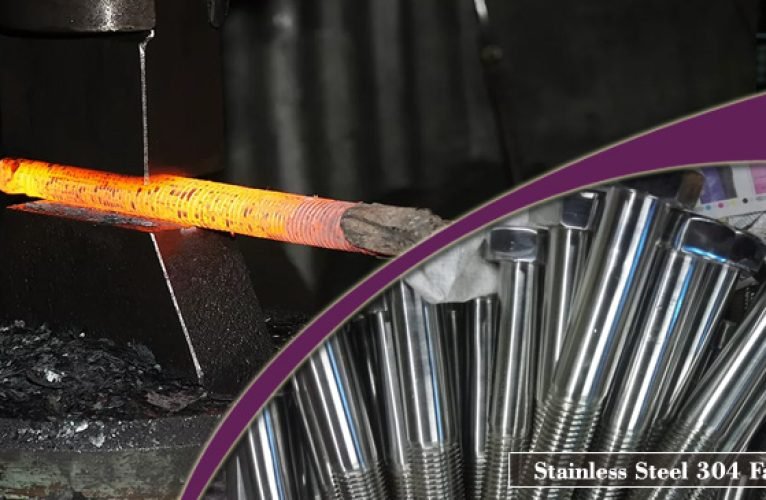
Stainless steel fasteners play a vital role in modern engineering, construction, and industrial applications. Among the most widely used grades, SS 304 Bolts and SS 316 Bolts stand out due to their exceptional strength, corrosion resistance, and versatility. Whether you are involved in marine projects, chemical processing, food equipment manufacturing, or large infrastructure development, choosing the right stainless steel bolt grade is essential for long-term performance and safety.
In this blog, we provide an in-depth overview of SS 304 and SS 316 bolts, their chemical composition, advantages, differences, and key applications to help you make an informed selection.
Understanding SS 304 Bolts
SS 304 Bolts are made from one of the most commonly used stainless steel grades globally. Known for excellent corrosion resistance and durability, SS 304 is an austenitic stainless steel with a balanced composition of chromium and nickel.
Key Properties of SS 304 Bolts
-
Corrosion Resistance: Offers strong resistance to rust in mild environments, freshwater, and atmospheric conditions.
-
Strength & Hardness: Good tensile strength, making it suitable for general structural and industrial use.
-
Heat Tolerance: Performs well in applications where moderate heat resistance is required.
-
Ease of Fabrication: Highly weldable and formable, allowing manufacturers to produce a wide range of bolt types and sizes.
Common Applications of SS 304 Bolts
-
Industrial machinery
-
Food processing equipment
-
Architectural structures
-
Water pipelines and treatment plants
-
Automotive and transportation equipment
Because of their cost-effectiveness and versatility, SS 304 bolts are preferred for both indoor and outdoor environments where the exposure to harsh chemicals is limited.
Understanding SS 316 Bolts
While SS 304 is popular, SS 316 Bolts are considered a superior option when enhanced corrosion resistance is required. SS 316 is alloyed with molybdenum, a key element that dramatically improves its resistance to chlorides, acids, and seawater.
Key Properties of SS 316 Bolts
-
Superior Corrosion Resistance: Excellent protection against pitting and crevice corrosion in marine and chloride-rich environments.
-
High Temperature Resistance: Performs reliably at elevated temperatures, making it suitable for heat-intensive industries.
-
Chemical Resistance: Ideal for exposure to chemicals, solvents, acidic solutions, and saltwater.
-
Longer Service Life: Often used in harsh and demanding environments where longevity is critical.
Common Applications of SS 316 Bolts
-
Offshore and marine engineering
-
Chemical and petrochemical plants
-
Pharmaceutical manufacturing
-
Food and beverage processing
-
Desalination plants
-
Pressure vessels and high-temperature equipment
The enhanced properties of SS 316 bolts make them the preferred choice for projects where durability and corrosion resistance cannot be compromised.
SS 304 Bolts vs SS 316 Bolts: What’s the Difference?
Although both grades belong to the 300-series stainless steels, the addition of molybdenum in SS 316 is what sets it apart.
1. Corrosion Resistance
-
SS 304 Bolts: Suitable for mild environments and general industrial use.
-
SS 316 Bolts: Designed to withstand saltwater, chlorides, chemicals, and extreme conditions.
2. Cost
-
SS 316 is comparatively more expensive due to its alloying elements and superior properties.
-
SS 304 remains the more economical option for standard applications.
3. Strength
-
Both grades offer similar mechanical strength.
-
SS 316 performs better under high-temperature and chemically aggressive conditions.
4. Applications
-
SS 304 Bolts: Best for structural and decorative applications.
-
SS 316 Bolts: Ideal for marine, offshore, and chemical processing industries.
How to Choose Between SS 304 and SS 316 Bolts
When selecting the appropriate grade, consider the following:
✔ Environmental Conditions
If the bolts will be exposed to saltwater, chemicals, or acidic environments, SS 316 bolts are the better choice. For general indoor and mild outdoor use, SS 304 bolts are sufficient.
✔ Budget
SS 304 bolts are more budget-friendly and suitable for non-aggressive conditions. SS 316, though costlier, offers value through a longer life cycle in demanding environments.
✔ Industry Requirements
Industries such as pharmaceuticals, petrochemicals, and marine sectors often mandate SS 316 due to strict regulatory and safety standards.
Conclusion
Both SS 304 Bolts and SS 316 Bolts play an essential role in modern engineering and industrial applications. While SS 304 bolts are widely used for their affordability and good corrosion resistance, SS 316 bolts offer unmatched durability in harsh environments thanks to their molybdenum content. Understanding the differences between the two grades ensures you select the right fasteners for reliable performance and long-term safety.
Whether you are a manufacturer, supplier, contractor, or engineer, choosing the correct stainless steel bolt grade can significantly impact the success and longevity of your project.
If you’d like, I can also create a shorter version, SEO-optimized title, meta description, or multiple variations of this blog.