
Stainless Steel 316 Bolts and 316L Bolts: The Ultimate Guide for Durability and Corrosion Resistance
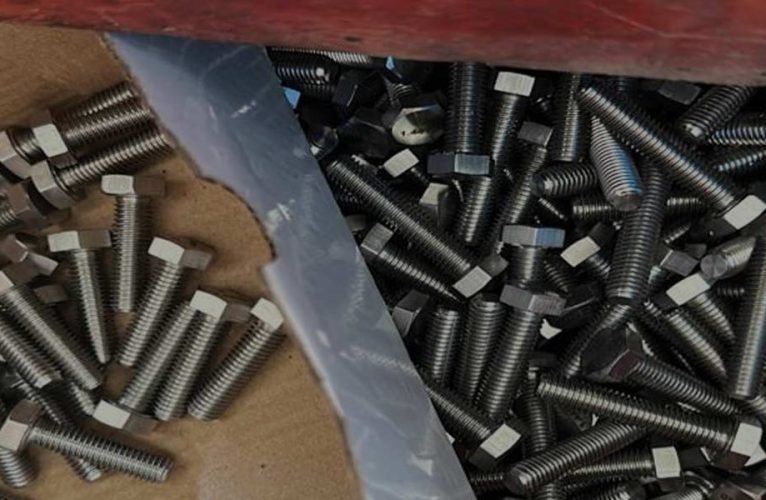
In today’s industrial and construction sectors, the importance of reliable fasteners cannot be overstated. Among the various types of bolts available, Stainless Steel 316 Bolts and Stainless Steel 316L Bolts have emerged as top choices for applications requiring exceptional strength, durability, and resistance to corrosion. Whether you are working on marine environments, chemical processing plants, or outdoor construction projects, understanding the differences, benefits, and applications of these bolts is essential.
What Are Stainless Steel 316 Bolts?
Stainless Steel 316 Bolts are high-performance fasteners made from austenitic stainless steel containing molybdenum. The addition of molybdenum enhances the corrosion resistance of the steel, making it ideal for harsh environments where standard stainless steel may fail. These bolts are highly resistant to chloride corrosion, which is common in coastal and marine applications.
Key properties of Stainless Steel 316 Bolts include:
-
Excellent corrosion resistance: Effective against chlorides, saltwater, and various chemicals.
-
High tensile strength: Suitable for heavy-duty applications.
-
Temperature resistance: Can withstand both high and low temperatures without compromising strength.
-
Durability: Long service life in outdoor or industrial environments.
Common applications of Stainless Steel 316 Bolts include shipbuilding, chemical processing equipment, marine structures, and outdoor architectural installations.
Understanding Stainless Steel 316L Bolts
While Stainless Steel 316 Bolts are already highly resistant to corrosion, there is an even more specialized variant known as Stainless Steel 316L Bolts. The “L” in 316L stands for “low carbon,” which means these bolts contain a lower carbon content compared to standard 316 stainless steel.
This lower carbon content offers distinct advantages:
-
Minimized risk of carbide precipitation: Reduces the risk of corrosion in welded areas.
-
Improved weldability: Easier to weld without compromising the corrosion resistance.
-
Maintains mechanical strength: Despite the lower carbon content, 316L bolts still provide excellent strength and durability.
As a result, Stainless Steel 316L Bolts are particularly suitable for applications that involve welding, chemical exposure, or highly corrosive environments. Industries such as pharmaceuticals, food processing, and marine construction often rely on 316L bolts for critical fastening solutions.
Comparing Stainless Steel 316 and 316L Bolts
While both 316 and 316L stainless steel bolts offer excellent performance, there are subtle differences that can influence your choice:
| Feature | Stainless Steel 316 Bolts | Stainless Steel 316L Bolts |
|---|---|---|
| Carbon Content | Higher (up to 0.08%) | Low (max 0.03%) |
| Weldability | Standard | Excellent, minimal carbide precipitation |
| Corrosion Resistance | Excellent | Slightly higher in welded areas |
| Applications | Marine, chemical, outdoor | Marine, chemical, pharmaceutical, welded structures |
Choosing between the two depends on the specific requirements of your project. For welded structures or environments with extreme corrosion potential, 316L bolts are often preferred. However, for general industrial or outdoor applications, 316 bolts provide reliable performance.
Advantages of Using Stainless Steel 316 and 316L Bolts
Investing in Stainless Steel 316 Bolts or Stainless Steel 316L Bolts comes with several advantages:
-
Longevity: Resistant to rust and corrosion, these bolts last longer than standard steel fasteners.
-
Versatility: Suitable for a wide range of industries, from construction to chemical processing.
-
Aesthetic appeal: The smooth, polished surface makes them ideal for visible installations.
-
Safety: Their high strength ensures secure fastening, reducing risks of structural failure.
-
Environmental resistance: They perform well in extreme weather conditions, including high humidity, salt spray, and acidic environments.
Selecting the Right Stainless Steel Bolts
When choosing between 316 and 316L bolts, consider the following factors:
-
Environment: If exposed to saltwater or chemicals, prioritize corrosion resistance.
-
Welding: If your project involves welding, 316L bolts are safer.
-
Load requirements: Ensure the tensile strength meets the structural demands.
-
Standards compliance: Look for bolts that meet ASTM, DIN, or ISO standards to ensure quality and reliability.
Conclusion
In industrial and construction applications where corrosion resistance, durability, and safety are paramount, Stainless Steel 316 Bolts and Stainless Steel 316L Bolts stand out as dependable choices. While 316 bolts provide excellent general performance, 316L bolts offer enhanced weldability and even greater corrosion resistance in specific scenarios.
Investing in high-quality stainless steel bolts not only ensures the longevity and safety of your structures but also reduces maintenance costs over time. Whether you are building a marine facility, chemical plant, or outdoor installation, choosing the right type of stainless steel bolt can make a significant difference in performance and reliability.
By understanding the unique properties and advantages of these fasteners, engineers, architects, and builders can make informed decisions that protect their investments and guarantee lasting results.