
End Dump vs. Cobra Dump Trailer: Choosing the Right Hauling Solution
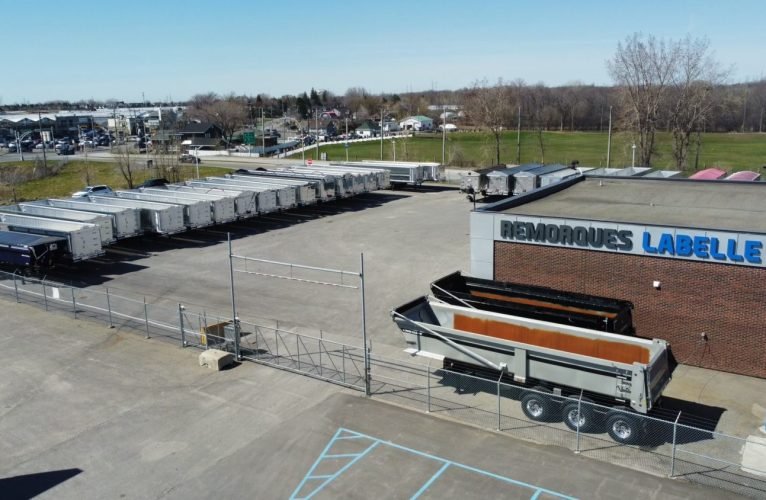
In the world of heavy hauling, construction, and material transportation, selecting the right trailer can significantly impact efficiency, safety, and overall project costs. Two popular options often compared are the End Dump trailer and the Cobra Dump Trailer. While both serve the purpose of transporting and unloading bulk materials, their design, performance, and suitability for different job sites vary. Understanding these differences helps contractors, fleet managers, and independent haulers make informed purchasing decisions.
What Is an End Dump Trailer?
An End Dump trailer is one of the most traditional and widely used dump trailer designs in the transportation industry. As the name suggests, the trailer unloads its cargo by lifting the front end, allowing materials to slide out through a rear gate. This straightforward design has been used for decades due to its simplicity and effectiveness.
End Dump trailers are commonly used to transport loose materials such as sand, gravel, demolition debris, asphalt, and agricultural products. They are favored for their large load capacity and ability to unload quickly. Because of their vertical lifting mechanism, End Dump trailers can discharge materials in a single, efficient motion, making them ideal for projects where speed is critical.
However, End Dump trailers do have limitations. Their tall lifting height can create stability concerns, especially on uneven ground or windy conditions. Operators must ensure the unloading surface is level to avoid tipping risks. Despite this, when used correctly, End Dump trailers remain a dependable solution for high-volume hauling.
What Is a Cobra Dump Trailer?
The Cobra Dump Trailer is a more modern innovation designed to address some of the stability challenges associated with traditional dump trailers. Unlike the vertical lift of an End Dump, the Cobra Dump Trailer uses a unique horizontal or low-angle unloading mechanism. This design significantly reduces the center of gravity during unloading, improving safety and balance.
Cobra Dump Trailers are particularly popular in urban construction, mining operations, and tight job sites where space and stability are essential. Because the unloading process does not require a steep lift, these trailers can operate safely in confined areas and on slightly uneven terrain. This feature makes them a preferred choice for contractors who work in variable environments.
Another advantage of the Cobra Dump Trailer is its reduced maintenance on hydraulic components. The design typically places less strain on lifting systems compared to traditional End Dump trailers, potentially extending equipment lifespan and lowering long-term operational costs.
Key Differences Between End Dump and Cobra Dump Trailer
When comparing an End Dump trailer with a Cobra Dump Trailer, several factors come into play:
1. Stability:
End Dump trailers require a steep angle for unloading, which may increase the risk of tipping if the ground is not level. Cobra Dump Trailers maintain a lower angle, offering enhanced stability and safety.
2. Load Capacity:
End Dump trailers generally offer higher load capacities, making them suitable for large-scale projects. Cobra Dump Trailers may have slightly lower capacity but compensate with safer unloading mechanics.
3. Job Site Flexibility:
Cobra Dump Trailers excel in tight or urban environments due to their compact unloading motion. End Dump trailers perform best in open spaces where height is not a restriction.
4. Maintenance and Durability:
While both trailers are built for heavy use, Cobra Dump Trailers often experience less stress on hydraulic systems, potentially reducing repair frequency over time.
5. Cost Considerations:
End Dump trailers are typically more affordable upfront, while Cobra Dump Trailers may come with a higher initial investment but offer savings through improved safety and lower maintenance.
Which Trailer Is Right for You?
The decision between an End Dump and a Cobra Dump Trailer ultimately depends on your operational needs. If your projects involve large volumes of loose material and open unloading spaces, an End Dump trailer may be the most cost-effective and efficient choice. On the other hand, if you frequently work in confined areas, prioritize safety, or need improved stability on varied terrain, a Cobra Dump Trailer can be a smart long-term investment.
Fleet owners should also consider factors such as driver experience, frequency of use, terrain conditions, and maintenance budgets. Modern hauling businesses often maintain a mix of trailer types to maximize flexibility and efficiency across multiple job sites.
Final Thoughts
Both the End Dump and the Cobra Dump Trailer play crucial roles in modern transportation and construction industries. Each offers unique strengths tailored to specific operational demands. By evaluating project requirements, safety considerations, and budget constraints, businesses can select the trailer type that delivers the best return on investment. Whether you choose the classic reliability of an End Dump or the innovative stability of a Cobra Dump Trailer, investing in the right equipment ensures smoother operations and greater productivity in the long run.