
Inconel 625 Bolts vs Inconel 718 Bolts: High-Performance Fasteners for Extreme Applications
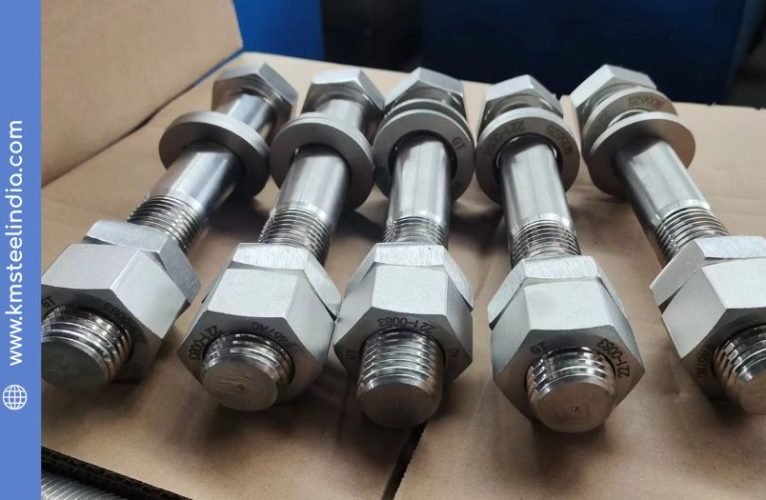
In demanding industries such as aerospace, marine, oil and gas, and power generation, standard fasteners often fail to perform under extreme temperatures, pressure, and corrosive environments. This is where Inconel 625 bolts and inconel 718 bolts stand out. Known for their exceptional strength, corrosion resistance, and high-temperature performance, these nickel-based alloy fasteners are trusted in critical applications worldwide.
In this blog, we will explore the properties, differences, and applications of Inconel 625 and Inconel 718 bolts, helping you choose the right material for your project.
What Are Inconel Fasteners?
Inconel is a family of nickel-chromium-based superalloys designed to perform in extreme environments. These alloys are especially resistant to oxidation, corrosion, and high temperatures. Among the various grades, 625 and 718 are two of the most commonly used for manufacturing bolts and other threaded fasteners.
Both materials offer outstanding mechanical properties, but they are engineered for slightly different performance requirements.
Inconel 625 Bolts: Superior Corrosion Resistance
Inconel 625 bolts are made from a nickel-chromium alloy with the addition of molybdenum and niobium. This composition provides exceptional resistance to pitting, crevice corrosion, and chloride-induced stress corrosion cracking.
Key Properties of Inconel 625 Bolts
-
Excellent resistance to seawater and marine environments
-
High tensile strength without the need for heat treatment
-
Outstanding fatigue and thermal-fatigue strength
-
Superior weldability
-
Good oxidation resistance up to 980°C
One of the major advantages of Inconel 625 bolts is that they derive their strength primarily from solid-solution strengthening rather than precipitation hardening. This makes them easier to fabricate and weld compared to other superalloys.
Applications of Inconel 625 Bolts
Because of their corrosion resistance, Inconel 625 bolts are widely used in:
-
Offshore oil platforms
-
Marine hardware
-
Chemical processing equipment
-
Nuclear power plants
-
Exhaust systems
In environments where exposure to saltwater, acidic chemicals, or high temperatures is constant, Inconel 625 bolts deliver long-term reliability and reduced maintenance costs.
Inconel 718 Bolts: Exceptional High-Temperature Strength
Inconel 718 bolts, on the other hand, are precipitation-hardened nickel-based fasteners known for their extremely high tensile and yield strength. This alloy contains significant amounts of iron, niobium, and molybdenum, allowing it to maintain mechanical strength even at elevated temperatures.
Key Properties of Inconel 718 Bolts
-
Very high tensile and yield strength
-
Excellent creep and rupture resistance
-
Strong oxidation resistance
-
Good corrosion resistance
-
Suitable for temperatures up to 700°C
Unlike Inconel 625, Inconel 718 bolts require heat treatment to achieve their maximum strength. The precipitation hardening process significantly enhances their load-bearing capacity, making them ideal for high-stress environments.
Applications of Inconel 718 Bolts
Due to their superior mechanical strength, inconel 718 bolts are commonly used in:
-
Aerospace engine components
-
Gas turbines
-
Jet engines
-
Cryogenic storage tanks
-
High-pressure equipment
When structural integrity under extreme pressure and temperature is critical, Inconel 718 bolts are often the preferred choice.
Inconel 625 Bolts vs Inconel 718 Bolts: Key Differences
Although both materials belong to the Inconel family, there are important differences between them:
1. Strength
Inconel 718 bolts offer higher tensile and yield strength compared to Inconel 625 bolts, especially after heat treatment.
2. Corrosion Resistance
Inconel 625 bolts provide superior resistance to corrosion in highly aggressive environments, particularly marine and chemical exposure.
3. Temperature Performance
Inconel 625 performs well at higher temperatures (up to 980°C), while Inconel 718 is typically used up to around 700°C but offers greater structural strength within that range.
4. Fabrication and Welding
Inconel 625 bolts are easier to weld and fabricate because they do not require complex heat treatment processes like Inconel 718 bolts.
Choosing the Right Bolt for Your Application
Selecting between Inconel 625 bolts and inconel 718 bolts depends on your specific operational requirements.
-
If your application demands exceptional corrosion resistance in marine or chemical environments, Inconel 625 is the better option.
-
If your project requires extremely high strength and resistance to mechanical stress, Inconel 718 is more suitable.
Consulting with a trusted fastener manufacturer or materials engineer can help ensure you select the correct alloy based on temperature range, load conditions, and environmental exposure.
Benefits of Using Inconel Bolts
Both Inconel 625 bolts and inconel 718 bolts offer several advantages over conventional stainless steel or carbon steel fasteners:
-
Longer service life
-
Reduced maintenance and downtime
-
High reliability in critical applications
-
Excellent resistance to extreme heat and pressure
-
Improved safety in demanding environments
Although these bolts are more expensive than standard fasteners, their durability and performance often justify the investment, particularly in industries where failure is not an option.
Conclusion
When it comes to high-performance fastening solutions, Inconel 625 bolts and inconel 718 bolts are among the most reliable options available. While Inconel 625 excels in corrosion resistance and high-temperature oxidation resistance, Inconel 718 stands out for its exceptional strength and load-bearing capacity.
Understanding the differences between these two superalloys allows engineers and procurement specialists to make informed decisions that enhance safety, durability, and performance. Whether you are working in aerospace, marine, chemical processing, or energy production, choosing the right Inconel bolt can significantly impact the efficiency and longevity of your equipment.
By investing in the appropriate alloy for your application, you ensure that your fastening system remains secure even in the most extreme conditions.