
Understanding Stainless Steel Fin Tube and Electropolished 304 Stainless Steel Pipe
In industrial applications where efficiency, durability, and corrosion resistance are essential, choosing the right materials is crucial. Two products that stand out in this context are the stainless steel fin tube and the electropolished 304 stainless steel pipe. These components play pivotal roles in sectors such as HVAC, chemical processing, pharmaceuticals, and food processing. This blog explores their characteristics, applications, benefits, and why they are considered vital in modern industry.
What is a Stainless Steel Fin Tube?
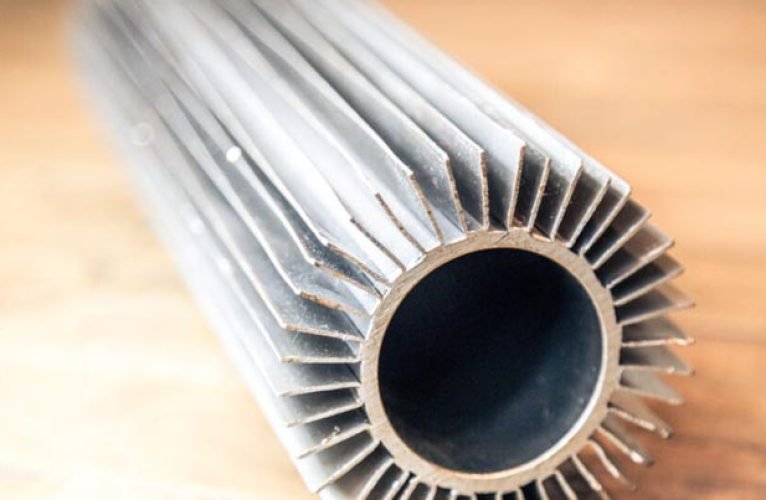
A stainless steel fin tube is a type of heat exchanger tubing that features fins attached to the outer surface. These fins increase the surface area of the tube, enhancing heat transfer efficiency. Fin tubes are widely used in systems where heat exchange between fluids or gases is required, such as boilers, condensers, air coolers, and heat recovery units.
Stainless steel, particularly grades like 304 and 316, is preferred for fin tubes due to its excellent corrosion resistance, high-temperature tolerance, and strength. The combination of stainless steel with finned design ensures durability even in challenging environments where conventional carbon steel may corrode or fail.
Key Advantages of Stainless Steel Fin Tubes:
-
Enhanced Heat Transfer: The fins increase surface area, allowing more efficient heat exchange.
-
Corrosion Resistance: Stainless steel resists oxidation and chemical attack, prolonging service life.
-
Mechanical Strength: These tubes can withstand high pressures and temperatures.
-
Versatility: Suitable for both liquid-to-liquid and liquid-to-gas applications.
Applications of Stainless Steel Fin Tubes
The versatility of the stainless steel fin tube makes it indispensable in several industries:
-
HVAC Systems: Fin tubes are extensively used in air conditioning and heating systems to efficiently transfer heat between air and fluid.
-
Power Plants: Boilers and condensers rely on finned tubes for effective thermal management.
-
Chemical Industry: Resistant to corrosion by chemicals, fin tubes are ideal for heat exchangers in chemical processing.
-
Food and Beverage: Stainless steel ensures hygiene while providing effective heat transfer in pasteurization and processing units.
By improving heat transfer efficiency and maintaining high durability, stainless steel fin tubes reduce maintenance costs and energy consumption, making them a smart investment for industries worldwide.
What is an Electropolished 304 Stainless Steel Pipe?
The electropolished 304 stainless steel pipe is a type of stainless steel pipe that has undergone an electrochemical polishing process. Electropolishing removes a thin layer of metal from the surface, creating a smooth, shiny, and highly corrosion-resistant finish. This process enhances both the aesthetic appeal and functional performance of the pipe.
304 stainless steel is the most widely used stainless steel grade for piping applications due to its excellent resistance to oxidation, moderate corrosion resistance, and affordability. When electropolished, the surface becomes free of microscopic peaks and valleys that can harbor contaminants, making it ideal for critical applications.
Key Benefits of Electropolished 304 Stainless Steel Pipes:
-
Improved Corrosion Resistance: Electropolishing removes embedded contaminants and surface irregularities.
-
Smooth Surface Finish: Reduces friction and prevents buildup of residues in piping systems.
-
Hygienic Properties: Ideal for pharmaceutical, food, and beverage industries where cleanliness is paramount.
-
Aesthetic Appeal: Provides a polished, reflective surface that is visually appealing for exposed piping installations.
-
Longer Service Life: Enhanced durability reduces maintenance and replacement frequency.
Applications of Electropolished 304 Stainless Steel Pipes
The applications of electropolished 304 stainless steel pipe extend across multiple industries where cleanliness, corrosion resistance, and durability are critical:
-
Pharmaceutical and Biotechnology: Ensures contamination-free fluid transfer in production lines.
-
Food and Beverage Processing: Prevents bacterial growth in milk, juice, and other liquid processing pipelines.
-
Chemical Industry: Electropolished surfaces resist chemical attack and ensure smooth fluid flow.
-
Medical Equipment: Used in surgical instruments and cleanroom piping systems for maximum hygiene.
Choosing Between Stainless Steel Fin Tubes and Electropolished Pipes
While both products are made of stainless steel, their applications differ significantly:
-
Stainless Steel Fin Tubes: Optimized for heat transfer applications, where efficient thermal management is the primary goal.
-
Electropolished 304 Stainless Steel Pipes: Optimized for fluid or gas transfer in hygienic or highly corrosive environments.
In some cases, industries may use both in complementary roles. For example, a chemical plant may use stainless steel fin tubes in heat exchangers for energy efficiency while relying on electropolished 304 stainless steel pipes to transport the process fluids safely.
Conclusion
The stainless steel fin tube and the electropolished 304 stainless steel pipe represent the forefront of industrial materials engineering. They combine the inherent strength and corrosion resistance of stainless steel with design or finishing processes that enhance their performance for specialized applications. Whether your priority is maximizing heat transfer, ensuring hygiene, or extending equipment lifespan, these stainless steel solutions offer reliability and efficiency that few alternatives can match.
For industries aiming for operational efficiency, durability, and long-term cost savings, investing in quality stainless steel fin tubes and electropolished 304 stainless steel pipes is not just a choice—it’s a necessity.