
HVAC System Replacement Guide: Costs, Heat Pump Options, Filters, and Energy-Efficient Solutions
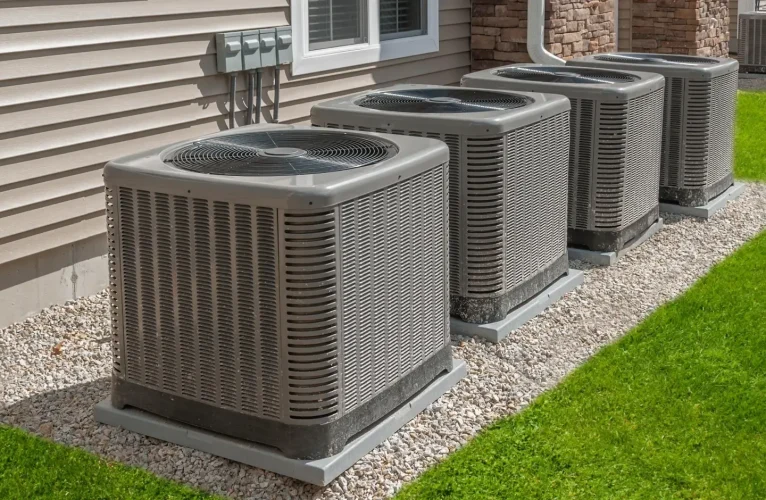
Heating and cooling systems are essential for maintaining indoor comfort throughout the year. However, like any mechanical system, HVAC units have a limited lifespan. When performance declines or repair costs increase, replacing the system becomes the most practical solution. Understanding the various aspects of HVAC replacement—from costs and financing to system types and efficiency standards—can help you make an informed decision.
Replacement HVAC System Cost
The cost of replacing an HVAC system varies depending on several factors such as system size, efficiency rating, installation complexity, and location. For most residential properties, the cost typically ranges from $5,000 to $15,000.
Higher-end systems with advanced features, such as variable-speed motors or smart thermostats, may increase the price. Additionally, if ductwork needs to be replaced or modified, the total cost will rise. While the upfront expense may seem significant, a new system often reduces energy bills and maintenance costs over time.
Commercial HVAC System Replacement
Commercial HVAC systems are larger and more complex than residential systems, making their replacement more expensive and time-consuming. Businesses must carefully plan the process to avoid disruptions to daily operations.
Costs for commercial HVAC replacement can range from $10,000 to over $100,000 depending on the building size and system type. Common systems include rooftop units, split systems, and chillers. Upgrading to energy-efficient equipment can lead to long-term savings and improved indoor air quality.
Financing for HVAC Replacement
Because HVAC replacement is a major investment, many property owners explore financing options. Financing allows you to spread the cost over manageable monthly payments instead of paying a large amount upfront.
Options include personal loans, home equity financing, contractor payment plans, and manufacturer financing programs. Some regions also offer rebates and incentives for energy-efficient upgrades, making replacement more affordable.
HVAC Air Duct Replacement
Air ducts play a key role in distributing conditioned air throughout a building. Over time, ducts can develop leaks, collect dust, or become inefficient due to poor design.
Replacing ductwork can improve airflow, enhance indoor air quality, and increase system efficiency. Signs that duct replacement may be necessary include inconsistent temperatures, excessive dust, and rising energy bills.
Mr Cool DIY Mini Split
DIY mini split systems have become increasingly popular due to their ease of installation and cost savings. These systems are designed for homeowners who want a flexible heating and cooling solution without hiring a professional installer.
They are ideal for small spaces, room additions, or areas without existing ductwork. The ability to install the system yourself can significantly reduce overall costs.
MrCool Mini Split System
Mini split systems provide both heating and cooling and are VFknown for their energy efficiency. They consist of an outdoor unit connected to indoor air handlers, allowing for zoned temperature control.
These systems are quiet, efficient, and perfect for homes where traditional ductwork is not practical. They also offer improved comfort by allowing users to control temperatures in individual rooms.
HVAC Complete System
A complete HVAC system includes all major components such as the heating unit, cooling unit, ductwork, and thermostat. Replacing the entire system ensures compatibility and optimal performance.
Although it may require a higher upfront investment, a complete system replacement often results in better efficiency, fewer repairs, and longer system lifespan.
MERV 8 HVAC Filter
Air filters are essential for maintaining indoor air quality and protecting HVAC equipment. MERV 8 filters are a common choice for residential systems because they offer a good balance between filtration and airflow.
These filters capture dust, pollen, and mold spores, helping to create a cleaner indoor environment. Regular replacement is important to maintain system efficiency.
20x20x1 Furnace Filter
The 20x20x1 furnace filter is a standard size used in many HVAC systems. Using the correct filter size ensures proper airflow and effective filtration.
Filters should be replaced every one to three months depending on usage and environmental conditions. Clean filters improve efficiency and extend the life of the system.
SEER2 Heat Pumps
SEER2 is the updated standard for measuring HVAC system efficiency. Systems with higher SEER2 ratings consume less energy and provide better performance.
Heat pumps with high SEER2 ratings are an excellent choice for homeowners looking to reduce energy costs and minimize environmental impact.
3 Ton Heat Pump System
A 3 ton heat pump system is suitable for medium-sized homes, typically between 1,500 and 2,000 square feet. Proper sizing is crucial to ensure efficient operation.
An incorrectly sized system can lead to uneven temperatures and increased energy consumption.
4 Ton Heat Pump System
A 4 ton heat pump system is designed for larger homes with greater heating and cooling demands. It is commonly used in homes ranging from 2,000 to 2,500 square feet.
This system provides higher capacity and consistent comfort when properly installed.
5 Ton Heat Pump System
A 5 ton heat pump system is ideal for large homes or small commercial spaces. It offers powerful performance and can handle significant heating and cooling loads.
Proper installation and ductwork are essential to ensure efficiency and long-term reliability.
5 Ton Split System Heat Pump
Split system heat pumps consist of separate indoor and outdoor units, offering flexibility in installation and maintenance. A 5 ton split system is well-suited for large spaces requiring efficient temperature control.
These systems are widely used due to their reliability and energy efficiency.
R454B Heat Pump
R454B is a newer refrigerant designed to replace older, less environmentally friendly options. It has a lower global warming potential, making it a more sustainable choice.
Heat pumps that use R454B are becoming increasingly popular as environmental regulations evolve. They provide efficient performance while reducing environmental impact.
Conclusion
Replacing an HVAC system is a significant decision that affects comfort, energy efficiency, and long-term costs. By understanding replacement costs, financing options, system types, and modern technologies like SEER2 and R454B, you can make an informed choice.