
The Evolution of Design: From Folk Traditions to Modern Icons
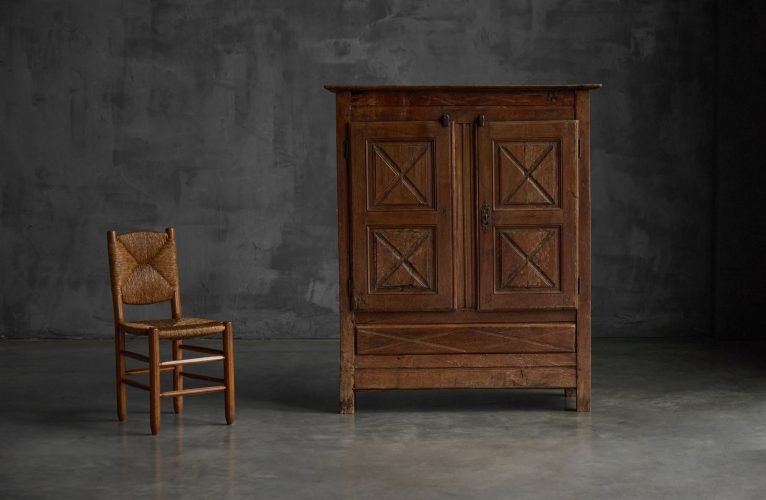
Design, in its many forms, reflects the values, environments, and philosophies of the societies that produce it. From humble rural craftsmanship to sophisticated modernist icons, the story of design is one of continuity and reinvention. Movements such as folk art, vernacular traditions, Alpine design, and rustic furniture laid the foundation for later developments like Art Deco, Mid-Century Design, and contemporary functional art. Along the way, influential designers and architects—from Dom Hans van der Laan to Pierre Jeanneret—have shaped how we understand beauty, utility, and space.
Folk Art and Vernacular Traditions
Folk art represents one of the earliest and most authentic forms of creative expression. Rooted in local traditions, it is often created by artisans without formal training, using techniques passed down through generations. These works—whether textiles, carvings, or painted objects—reflect the cultural identity and everyday life of a community.
Closely related is vernacular design, which refers to architecture and objects shaped by local needs, materials, and climate rather than formal design theory. Vernacular structures are practical and deeply connected to their surroundings. They demonstrate how design can emerge organically, guided by necessity and tradition rather than aesthetics alone.
Alpine Design and Rural Aesthetics
Alpine design is a specific expression of vernacular principles, found in mountainous regions of Europe. Characterized by the use of wood, stone, and simple construction techniques, Alpine interiors evoke warmth and shelter. Sloped roofs, exposed beams, and handcrafted furniture define this style, which is both functional and visually comforting.
More broadly, rural and rustic furniture share similar qualities. These designs emphasize natural materials, durability, and craftsmanship. Imperfections are not hidden but celebrated, giving each piece a unique character. Rustic furniture often features solid wood, visible joinery, and minimal ornamentation, reflecting a respect for materials and traditional techniques.
Dom Hans van der Laan and Proportional Harmony
Moving into more theoretical territory, Dom Hans van der Laan, a Dutch Benedictine monk and architect, developed a unique approach to design based on proportion and spatial relationships. His work focused on the “plastic number,” a ratio intended to create harmony in architecture and interiors.
Van der Laan’s philosophy emphasized simplicity and clarity. His buildings, often monastic, are characterized by austere forms and careful attention to scale. Rather than relying on decoration, he sought beauty through balance and proportion, influencing later minimalist and architectural movements.
Wabi-Sabi: The Beauty of Imperfection
From Japan comes the philosophy of Wabi-Sabi, which celebrates impermanence, imperfection, and the natural aging of materials. In contrast to Western ideals of perfection and symmetry, Wabi-Sabi finds beauty in irregularity and simplicity.
This approach resonates strongly with rustic and vernacular traditions. Objects are valued not only for their function but for their history and patina. A cracked ceramic bowl or weathered wooden table becomes more meaningful over time, embodying a quiet, understated elegance.
Amsterdamse School and Expressionist Architecture
In early 20th-century Europe, movements like the Amsterdamse School introduced a more expressive and sculptural approach to design. This Dutch architectural style is known for its intricate brickwork, organic forms, and attention to detail.
Buildings from this movement often feature dramatic curves, elaborate ornamentation, and integrated decorative elements. It represents a departure from strict functionalism, showing how architecture can also be emotional and artistic.
Art Deco: Glamour and Modernity
Art Deco emerged in the 1920s and 1930s as a celebration of modernity, luxury, and technological progress. Characterized by geometric patterns, bold colors, and rich materials, it reflected the optimism of the era.
Unlike the simplicity of vernacular or Wabi-Sabi aesthetics, Art Deco embraced ornamentation and sophistication. Materials like chrome, glass, and exotic woods were used to create striking, elegant interiors and objects. It was a style that looked forward, embracing the machine age and urban life.
Mid-Century Design: Function Meets Form
Mid-Century Design, spanning roughly from the 1940s to the 1960s, marked a shift toward simplicity, functionality, and accessibility. Designers sought to create furniture and spaces that were both beautiful and practical, often using new materials like plywood, fiberglass, and steel.
Clean lines, organic shapes, and a connection to nature define this movement. It bridged the gap between mass production and high design, making modern aesthetics available to a wider audience.
Brazilian Design: Modernism with Warmth
Brazilian design brought a unique perspective to modernism, blending international influences with local materials and cultural sensibilities. Designers incorporated tropical hardwoods, leather, and woven elements, creating pieces that feel both modern and inviting.
This approach softened the often stark qualities of European modernism, adding warmth, texture, and a sense of place. Brazilian design demonstrates how global ideas can be adapted to local contexts.
Pierre Chapo and Craftsmanship
Pierre Chapo is known for his dedication to craftsmanship and solid wood construction. His furniture emphasizes structural honesty, with visible joints and robust forms.
Chapo’s work reflects a deep respect for materials and traditional techniques, aligning closely with rustic and vernacular traditions. At the same time, his designs are distinctly modern, showing how craftsmanship can coexist with contemporary aesthetics.
Charlotte Perriand and Human-Centered Design
Charlotte Perriand played a crucial role in shaping modern design, particularly through her collaborations with leading architects. Her work emphasized functionality, comfort, and the use of innovative materials.
Perriand’s designs often incorporate natural elements, reflecting her interest in harmonizing human life with the environment. She believed that design should serve people, improving their daily lives while maintaining a sense of beauty.
Functional Art: Where Utility Meets Expression
Functional art blurs the line between utility and artistic expression. Objects are designed to be used but also appreciated as works of art.
This concept can be traced back to folk art and continues through modern design movements. Whether a handcrafted chair or a sculptural lamp, functional art challenges the idea that practicality and creativity must be separate.
Jean Prouvé: Engineering and Design
Jean Prouvé approached design from an engineering perspective. His furniture and architectural elements are characterized by efficiency, structural clarity, and innovative use of materials.
Prouvé believed in the importance of industrial production but maintained a strong commitment to quality and craftsmanship. His work bridges the gap between handmade traditions and modern manufacturing.
Afra & Tobia Scarpa: Italian Elegance
Afra and Tobia Scarpa contributed significantly to Italian design, combining technical precision with refined aesthetics. Their work often features rich materials, careful detailing, and a balance between tradition and innovation.
The Scarpa duo exemplifies how design can be both sophisticated and approachable, blending modernist principles with a sense of warmth and tactility.
Mario Bellini and Contemporary Innovation
Mario Bellini is known for his versatile approach, working across architecture, furniture, and industrial design. His creations often explore new forms and technologies while maintaining a focus on comfort and usability.
Bellini’s work reflects the evolving nature of design, where innovation and tradition coexist. His pieces are both functional and expressive, embodying the idea of design as a dynamic, living discipline.
Camaleonda: Modular Flexibility
The Camaleonda sofa represents a shift toward modular, adaptable design. Its components can be rearranged to suit different needs and spaces, reflecting a more flexible approach to living.
This adaptability aligns with contemporary lifestyles, where spaces are multifunctional and constantly changing. The Camaleonda demonstrates how design can respond to these evolving demands.
Nakashima: Nature and Craft
George Nakashima’s work is deeply rooted in nature. He is known for his use of live-edge wood, which preserves the natural shape of the tree.
Nakashima’s furniture embodies a spiritual connection to materials, emphasizing their inherent beauty. His approach resonates with Wabi-Sabi principles, celebrating imperfection and authenticity.
Pierre Jeanneret: Modernism in Context
Pierre Jeanneret, often associated with large-scale architectural projects, also created furniture that reflects modernist ideals. His designs are simple, functional, and adapted to their environment.
Working in diverse contexts, Jeanneret demonstrated how modern design can be both universal and locally responsive. His furniture, often made from local materials, bridges the gap between global modernism and regional identity
Conclusion
From the raw authenticity of folk art to the refined innovations of modern designers, the evolution of design is a testament to human creativity and adaptability. Each movement and figure contributes a unique perspective, shaped by cultural, environmental, and technological factors.
What unites them all is a shared pursuit: to create objects and spaces that enhance human life. Whether through the simplicity of vernacular traditions, the elegance of Mid-Century Design, or the expressive potential of functional art, design continues to evolve—rooted in the past, yet always looking forward.