
Timeless Geometry: The Enduring Soul of Mid-Century Design
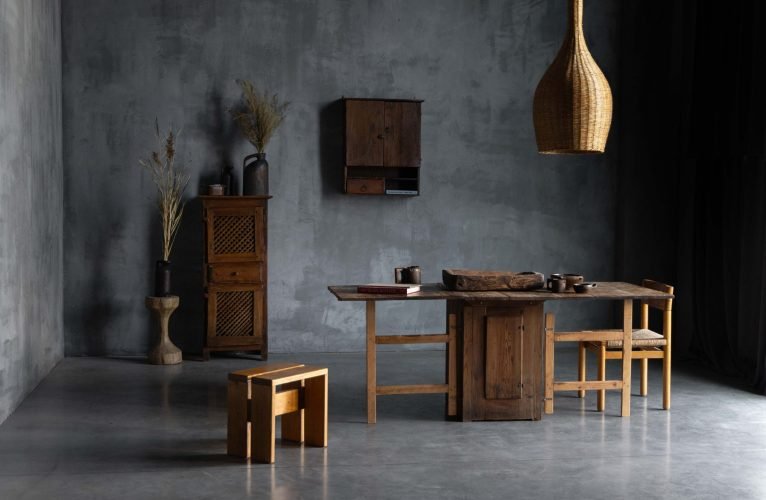
Mid-Century Design stands as one of the rare movements that refuses to be confined to a specific era. While its roots trace back to the mid-20th century, its influence feels just as relevant today as it did decades ago. This design language thrives on simplicity, clarity, and purpose, offering a refreshing alternative to cluttered and overly ornate styles. It is not merely about aesthetics; it is about creating environments that feel intuitive, comfortable, and deeply connected to human needs.
The defining strength of Mid-Century Design lies in its ability to merge beauty with utility. This philosophy, often described as Functional Art, ensures that every object serves a meaningful role. Whether it is a chair, a table, or a lighting fixture, each piece is crafted with intention. Nothing exists purely for decoration; everything contributes to the harmony of the space. This approach creates interiors that feel balanced and purposeful rather than excessive.
A significant influence that enriched this movement is Brazilian Design. Known for its warmth and expressive forms, Brazilian Design introduced a more organic dimension to modernism. Instead of rigid lines alone, it embraced curves, textures, and natural materials. The use of rich woods and handcrafted elements brought a sense of authenticity and life into interiors. This fusion of structured modernism with organic fluidity created a design language that feels both refined and inviting.
The pioneers behind Mid-Century Design were not just designers; they were visionaries who redefined how people interact with their surroundings. Pierre Chapo exemplified the beauty of structural honesty. His work focused on the integrity of materials, particularly wood, allowing its natural character to shine. His designs were simple yet powerful, demonstrating that true elegance lies in authenticity.
Charlotte Perriand brought a human-centered perspective to design. She believed that spaces should adapt to people, not the other way around. Her work emphasized flexibility, comfort, and intelligent use of space. This approach made her designs not only visually appealing but also highly practical for everyday living.
In a more industrial direction, Jean Prouvé introduced engineering precision into furniture design. By using materials like steel and aluminum, he created pieces that were lightweight, durable, and efficient. His work showcased how industrial techniques could enhance both functionality and aesthetics.
Italian innovation also played a key role, particularly through Afra & Tobia Scarpa. Their designs balanced tradition with experimentation, resulting in furniture that felt timeless yet forward-thinking. They paid close attention to detail, ensuring that every element contributed to the overall design narrative.
Among the most influential figures of the era is Mario Bellini. His work challenged conventional ideas of furniture, introducing flexibility and adaptability. The iconic Camaleonda is a perfect example. Its modular structure allows users to rearrange and customize seating configurations, reflecting the evolving needs of modern lifestyles. This adaptability remains one of the defining characteristics of great design.
On the other side of the design spectrum, George Nakashima offered a deeply philosophical approach. Known simply as Nakashima, he believed that wood carries a spirit that should be honored. His designs preserved natural edges and imperfections, transforming each piece into a unique work of art. This perspective aligns closely with the principles of Brazilian Design, emphasizing harmony with nature.
Pierre Jeanneret made a lasting contribution through his work in Chandigarh. His furniture designs were practical, durable, and elegantly simple. They reflected the needs of a modern society while maintaining a strong sense of identity. Today, his work is celebrated for its understated beauty and functionality.
As time moves forward, new designers continue to reinterpret Mid-Century principles for contemporary audiences. Boris Devis is one such figure, bringing fresh energy to classic ideas. His work respects traditional craftsmanship while incorporating modern techniques and aesthetics.
The collection Goldwood by Boris represents this evolution. It combines high-quality materials with refined design, creating pieces that feel both timeless and contemporary. By drawing inspiration from Mid-Century Design, it demonstrates how the movement can adapt without losing its core identity.
Material selection is central to the success of this design philosophy. Wood remains the primary choice, valued for its warmth and versatility. Teak, walnut, and oak are commonly used, each offering distinct textures and tones. These natural elements are often paired with metal or glass, creating a balance between organic and industrial aesthetics. This combination enhances both durability and visual appeal.
Another defining feature of Mid-Century Design is its focus on spatial harmony. Interiors are designed to feel open and uncluttered, allowing for easy movement and interaction. Furniture is typically low-profile, creating a sense of openness and flow. Large windows and minimal barriers encourage natural light, strengthening the connection between indoor and outdoor spaces.
The adaptability of this style is one of its greatest strengths. It can seamlessly integrate into various design environments, from contemporary apartments to traditional homes. Its neutral color palette and clean lines make it easy to combine with other styles, allowing for personalized and creative interiors. This flexibility ensures that Mid-Century Design remains relevant in an ever-changing world.
Sustainability is another reason why this movement continues to thrive. In contrast to disposable furniture trends, Mid-Century pieces are built to last. The emphasis on quality craftsmanship and durable materials aligns with modern values of responsible consumption. Investing in such designs not only enhances aesthetics but also supports a more sustainable lifestyle.
The concept of Functional Art remains at the heart of this enduring legacy. It challenges designers to create objects that are both beautiful and useful, ensuring that design enhances everyday life. This philosophy encourages innovation while maintaining a strong connection to human needs and experiences.
Ultimately, Mid-Century Design is not just about furniture or interiors—it is about a way of thinking. It values simplicity without sacrificing depth, innovation without losing authenticity, and functionality without compromising beauty. From the organic richness of Brazilian Design to the groundbreaking work of pioneers like Pierre Chapo and Charlotte Perriand, its influence remains profound.
The contributions of Jean Prouvé and Mario Bellini, along with iconic creations such as the Camaleonda, highlight the movement’s versatility and innovation. Meanwhile, contemporary voices like Boris Devis and collections like Goldwood by Boris ensure that this legacy continues to evolve.