
Expanding Wood Glue vs D4 Wood Glue: Choosing the Right Adhesive for Strong Bonds
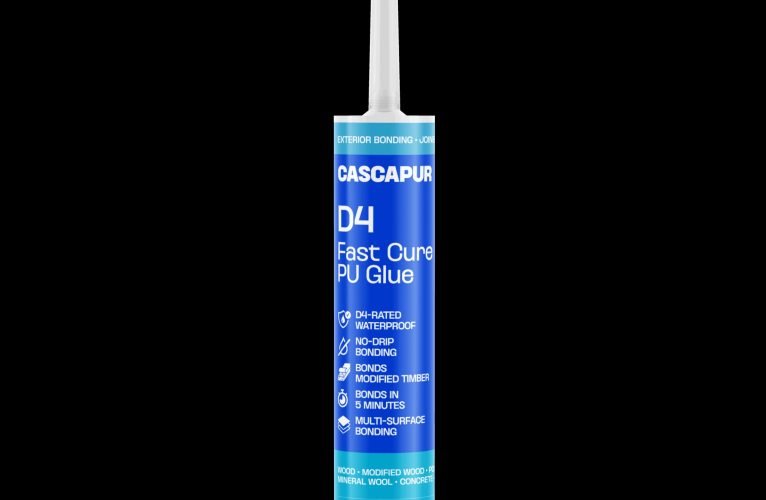
In woodworking, selecting the right adhesive can determine the strength, durability, and longevity of your project. Among the many options available, expanding wood glue and d4 wood glue are two popular choices known for their high performance. Whether you’re working on indoor furniture or outdoor structures, understanding these adhesives will help you achieve reliable and professional results.
What is Expanding Wood Glue?
Expanding wood glue is typically a polyurethane-based adhesive that expands as it cures. This expansion allows the glue to fill gaps, cracks, and uneven surfaces, creating a tight bond between wood pieces.
One of the key advantages of expanding wood glue is its versatility. It can bond not only wood but also other materials such as metal, plastic, and stone. This makes it ideal for projects where surfaces are not perfectly aligned.
Additionally, this type of glue is highly resistant to water, making it suitable for outdoor use or environments exposed to moisture.
What is D4 Wood Glue?
d4 wood glue refers to a classification of adhesives based on European standards for water resistance. D4 is the highest rating in this system, indicating excellent resistance to water and weather conditions.
Unlike expanding adhesives, d4 wood glue is usually a modified PVA glue that provides a strong, durable bond without expansion. It is widely used in applications where tight-fitting joints are required and where exposure to moisture is expected.
Because of its high resistance, d4 wood glue is often used in outdoor furniture, windows, doors, and structural woodworking projects.
Key Differences Between Expanding Wood Glue and D4 Wood Glue
While both adhesives are strong and reliable, they serve different purposes:
- Expansion:
Expanding wood glue expands during curing, while d4 wood glue does not. - Gap Filling:
Expanding glue is excellent for filling gaps, whereas D4 glue works best on well-fitted joints. - Water Resistance:
Both offer high water resistance, but d4 wood glue is specifically rated for long-term exposure. - Ease of Use:
D4 glue is generally easier to control, while expanding glue requires careful application to avoid excess foam.
Understanding these differences helps you choose the right adhesive for your specific project.
Advantages of Expanding Wood Glue
Using expanding wood glue provides several benefits:
- Fills gaps and irregular surfaces effectively
- Creates strong bonds across different materials
- Ideal for rough or uneven joints
- Offers good water resistance
This makes it a great choice for repair work and projects where precision fitting is difficult.
Advantages of D4 Wood Glue
d4 wood glue also offers impressive features:
- High water and weather resistance
- Strong, long-lasting bonds
- Clean and precise application
- Ideal for tight-fitting joints
For professional woodworking, especially in outdoor settings, d4 wood glue is often considered a top choice.
Best Applications for Each Glue
Choosing between expanding wood glue and d4 wood glue depends on your project:
Use Expanding Wood Glue for:
- Repairing damaged wood
- Filling gaps or cracks
- Bonding mixed materials
- Outdoor projects with uneven surfaces
Use D4 Wood Glue for:
- Furniture assembly
- Doors and windows
- Outdoor wooden structures
- Precision woodworking
Matching the adhesive to the task ensures optimal results.
Tips for Using Expanding Wood Glue
To get the best performance from expanding wood glue, follow these tips:
- Lightly dampen the wood surface before application
- Apply a small amount, as the glue expands
- Use clamps to control expansion
- Clean excess foam after curing
Proper handling ensures strong and neat results.
Tips for Using D4 Wood Glue
When working with d4 wood glue, keep these points in mind:
- Ensure surfaces are clean and well-fitted
- Apply evenly for consistent bonding
- Clamp the pieces for maximum strength
- Allow sufficient curing time
These steps help achieve a durable and professional finish.
Common Mistakes to Avoid
When using either expanding wood glue or d4 wood glue, avoid these mistakes:
- Using too much adhesive
- Not clamping properly
- Ignoring drying times
- Choosing the wrong glue for the application
Avoiding these errors ensures a reliable bond and long-lasting performance.
Which One Should You Choose?
If your project involves uneven surfaces or requires gap filling, expanding wood glue is the better option. However, for clean, precise joints and high water resistance, d4 wood glue is often the preferred choice.
Many professionals keep both types on hand, using each where it performs best. This flexibility allows for better results across different woodworking tasks.
Conclusion
Both expanding wood glue and d4 wood glue are powerful adhesives that serve important roles in woodworking. While expanding glue excels in gap filling and versatility, D4 glue stands out for its precision and superior water resistance.
By understanding their strengths and applications, you can choose the right adhesive for your needs. Whether you’re repairing, building, or crafting, using the correct glue ensures strong, durable, and professional-quality results every time.