
A Complete Guide to ASTM A333 Grade 6 and ASTM A53 Grade B Pipes: Key Differences, Applications & Advantages
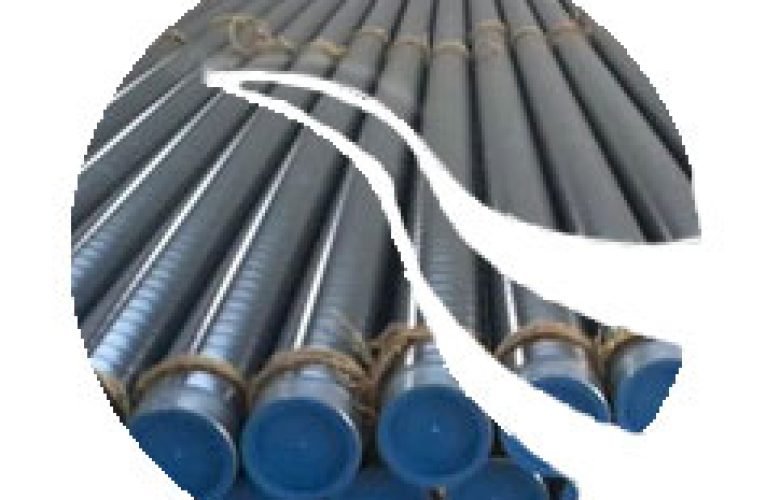
When it comes to selecting the right steel pipes for industrial applications, engineers and procurement teams often compare two highly popular standards: ASTM A333 Grade 6 and ASTM A53 Grade B. Although both grades are widely used across pipelines, construction, and engineering projects, they are designed with distinct characteristics that make each suitable for specific environments. Understanding their differences helps businesses make informed decisions, ensuring durability, performance, and cost-efficiency.
In this blog, we will explore the features, benefits, and uses of ASTM A333 Grade 6 and ASTM A53 Grade B, along with guidance on choosing the right material for your needs.
What Is ASTM A333 Grade 6?
ASTM A333 Grade 6 is a low-temperature carbon steel pipe specifically engineered to withstand extreme cold environments. Industries operating in freezing climates—such as oil & gas, LNG, and offshore drilling—prefer A333 Grade 6 due to its exceptional toughness and ability to resist brittleness at low temperatures.
Key Features of ASTM A333 Grade 6
-
Low-temperature resistance: Performs reliably at temperatures as low as –45°C.
-
High toughness: Increased impact strength prevents cracking in cold conditions.
-
Excellent weldability: Makes fabrication and installation easier.
-
Seamless and welded options: Provides flexibility depending on pressure and structural requirements.
Applications of ASTM A333 Grade 6
ASTM A333 Grade 6 pipes are commonly used in:
-
Cryogenic service
-
Low-temperature refinery units
-
Gas processing plants
-
Offshore equipment
-
Petrochemical and power generation industries
Any system where temperature fluctuations are extreme or constant exposure to cold conditions is expected will benefit from this grade.
What Is ASTM A53 Grade B?
ASTM A53 Grade B is a widely used carbon steel pipe standard suitable for general-purpose structural and pressure applications. It is one of the most commonly used steel grades in water pipelines, HVAC systems, and construction frameworks due to its versatility and cost-effectiveness.
Key Features of ASTM A53 Grade B
-
Medium strength and durability: Ideal for both mechanical and pressure applications.
-
Available in seamless, ERW, and welded types: Allows selection based on budget and performance needs.
-
Good formability and weldability: Useful for bending, flanging, and coiling operations.
-
Suitable for both fluid and gas transfer: Makes it a preferred choice in industries.
Applications of ASTM A53 Grade B
This grade is typically used in:
-
Water and air conveyance
-
Structural steel frameworks
-
Mechanical applications
-
Steam, gas, and air pipelines
-
Fire protection systems
-
Oil & gas lines (non-critical service)
The affordability and availability of ASTM A53 Grade B make it a reliable option for a wide range of industrial applications.
ASTM A333 Grade 6 vs ASTM A53 Grade B: Key Differences
Understanding the differences between these two grades is essential for selecting the right pipe for your project.
1. Temperature Resistance
-
ASTM A333 Grade 6: Designed for low-temperature service and capable of handling extreme cold.
-
ASTM A53 Grade B: Suitable for ambient and moderate temperatures, not recommended for cryogenic environments.
2. Mechanical Properties
-
A333 Grade 6 provides better toughness and impact strength.
-
A53 Grade B offers good mechanical strength but not for severe temperature variations.
3. Applications
-
Use A333 Grade 6 for cold climate, high-pressure, and specialized industrial use.
-
Use A53 Grade B for general structural, plumbing, and mechanical applications.
4. Cost
-
A53 Grade B is more cost-effective and widely available.
-
A333 Grade 6 tends to be more expensive due to its specialized low-temperature performance.
5. Manufacturing Types
-
Both are available in seamless and welded versions, but A53 Grade B commonly comes in ERW as well, offering economical options.
Which Grade Should You Choose?
The decision between ASTM A333 Grade 6 and ASTM A53 Grade B depends on the operating environment and performance requirements:
Choose ASTM A333 Grade 6 if:
-
Your application involves temperatures below freezing.
-
You require high impact resistance.
-
The system involves cryogenic or offshore conditions.
-
Safety and performance in harsh environments are essential.
Choose ASTM A53 Grade B if:
-
You need an economical option for general piping.
-
The application is structural or mechanical in nature.
-
The environment involves ambient temperatures.
-
You are designing water, air, steam, or gas pipelines without extreme temperature requirements.
Conclusion
Both ASTM A333 Grade 6 and ASTM A53 Grade B are excellent carbon steel pipe grades, each offering unique advantages for different industries. While A333 Grade 6 excels in low-temperature service environments, A53 Grade B remains a versatile and cost-effective choice for everyday structural and pressure applications. Understanding their differences helps ensure maximum efficiency, safety, and performance in any project.
If you’re planning to select the right steel grade for your next pipeline, construction, or industrial application, evaluating these two standards will help you make the most informed decision.