
A Complete Guide to SS 316L Bolts and A286 Bolts for Industrial Applications
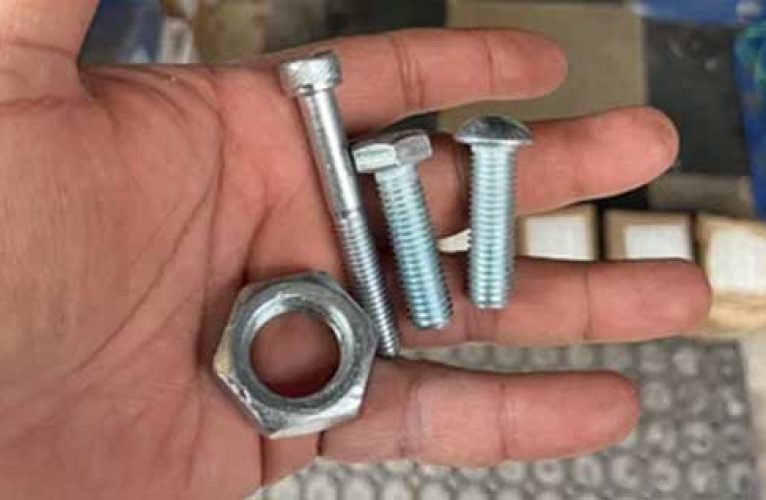
In the world of industrial fastening solutions, selecting the right type of bolts is essential for ensuring structural integrity, durability, and safety. Among the most reliable and widely used fasteners are SS 316L Bolts and A286 Bolts. These bolts are known for their exceptional strength, corrosion resistance, and performance in demanding environments, making them ideal for industries such as oil and gas, aerospace, construction, and chemical processing.
Understanding SS 316L Bolts
SS 316L Bolts are made from low-carbon stainless steel, specifically grade 316L. The “L” stands for low carbon content, which enhances the material’s resistance to corrosion and reduces the risk of carbide precipitation during welding.
Key Features of SS 316L Bolts
-
Excellent Corrosion Resistance: Highly resistant to rust, pitting, and crevice corrosion, especially in chloride-rich environments.
-
Durability: Maintains strength even in harsh conditions, including exposure to moisture and chemicals.
-
Weldability: The low carbon content allows for easy welding without compromising structural integrity.
-
Temperature Resistance: Performs well in both low and moderately high temperatures.
Applications of SS 316L Bolts
SS 316L bolts are widely used in industries where corrosion resistance is critical:
-
Marine Applications: Ideal for offshore structures and shipbuilding due to resistance to seawater corrosion.
-
Chemical Processing Plants: Used in equipment exposed to acids and corrosive chemicals.
-
Food and Pharmaceutical Industries: Suitable for hygienic environments due to their non-reactive properties.
-
Construction: Commonly used in infrastructure projects where durability is required.
Their versatility and reliability make SS 316L bolts a preferred choice for general-purpose and corrosion-prone environments.
What Are A286 Bolts?
A286 Bolts are made from a high-strength iron-based superalloy known for its excellent performance in high-temperature and high-stress environments. This alloy contains elements such as chromium, nickel, and molybdenum, which contribute to its superior mechanical properties.
Key Features of A286 Bolts
-
High Temperature Resistance: Retains strength and stability even at elevated temperatures up to 700°C.
-
Exceptional Strength: Offers excellent tensile strength and resistance to deformation under stress.
-
Corrosion and Oxidation Resistance: Performs well in both oxidizing and mildly corrosive environments.
-
Creep Resistance: Maintains its shape and performance under long-term exposure to high temperatures.
Applications of A286 Bolts
Due to their advanced properties, A286 bolts are commonly used in highly demanding industries:
-
Aerospace Industry: Used in aircraft engines, turbine components, and exhaust systems.
-
Power Generation: Ideal for gas turbines and high-temperature equipment.
-
Automotive Sector: Used in high-performance engines and exhaust systems.
-
Oil and Gas Industry: Suitable for high-pressure and high-temperature environments.
A286 bolts are specifically designed for applications where ordinary fasteners would fail due to extreme heat or stress.
SS 316L Bolts vs A286 Bolts: Key Differences
While both SS 316L Bolts and A286 Bolts are high-performance fasteners, they serve different purposes based on their material properties:
-
Corrosion Resistance: SS 316L bolts excel in highly corrosive environments, especially marine and chemical settings. A286 bolts also resist corrosion but are more focused on high-temperature performance.
-
Temperature Capability: A286 bolts outperform SS 316L bolts in high-temperature applications, maintaining strength under extreme heat.
-
Strength: A286 bolts offer higher tensile strength and are better suited for heavy-duty and high-stress applications.
-
Cost: SS 316L bolts are generally more cost-effective, making them suitable for broader applications. A286 bolts are more expensive due to their advanced alloy composition.
Choosing between these two types depends on the specific requirements of the application, including environmental conditions, temperature, and load-bearing needs.
Importance of Quality and Reliable Suppliers
Regardless of the type of bolt selected, sourcing from reputable manufacturers and suppliers is crucial. High-quality SS 316L Bolts ensure long-term corrosion resistance and reliability, while premium A286 Bolts provide the strength and durability required for critical applications.
Trusted suppliers follow international standards such as ASTM, ASME, and ISO, ensuring:
-
Accurate dimensions and threading
-
Consistent material composition
-
Rigorous quality testing
-
Compliance with industry specifications
This guarantees that the bolts perform reliably, reducing the risk of failure and costly downtime.
Benefits of Using High-Quality Bolts
Investing in high-quality fasteners offers several advantages:
-
Enhanced Safety: Strong and reliable bolts reduce the risk of structural failures.
-
Long-Term Durability: High-quality materials extend the lifespan of equipment and structures.
-
Reduced Maintenance Costs: Durable bolts require fewer replacements and repairs.
-
Improved Performance: Ensures efficient operation in demanding environments.
Conclusion
Both SS 316L Bolts and A286 Bolts are essential components in modern industrial applications. While SS 316L bolts are ideal for corrosion-resistant applications, A286 bolts are designed for high-temperature and high-stress environments.
Selecting the right type of bolt depends on your specific operational needs. By choosing high-quality products from trusted suppliers, industries can ensure safety, efficiency, and long-term performance.
In today’s demanding industrial landscape, investing in the right fastening solutions is not just a necessity—it’s a strategic decision that contributes to overall success and reliability.