
Commercial Construction: Why Hiring a General Contractor Vaughan Businesses Can Trust Matters
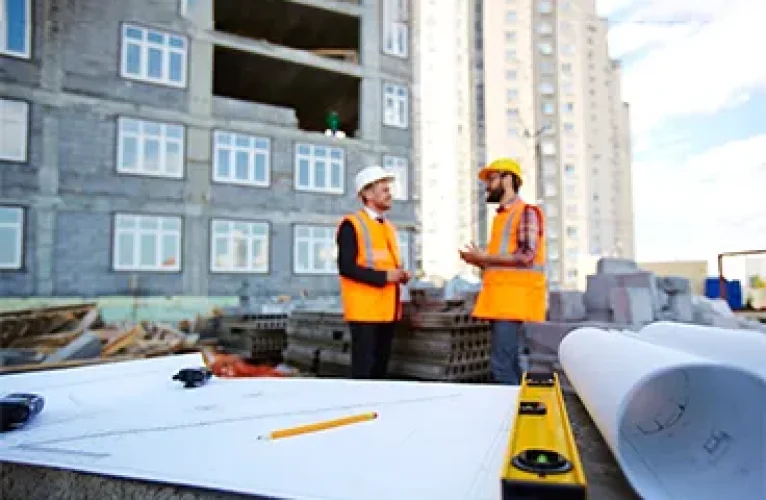
Commercial construction is an important investment for businesses looking to expand their operations, improve their facilities, or establish a strong presence in a competitive market. From modern office buildings and retail spaces to restaurants, warehouses, and industrial facilities, every commercial project requires careful planning, skilled professionals, and effective project management. Choosing the right General Contractor Vaughan businesses can rely on is essential to ensuring a successful outcome.
Whether you are planning a new commercial building or renovating an existing property, working with an experienced contractor can help you manage costs, maintain quality, and complete your project according to your business objectives.
Understanding the Importance of Commercial Construction
Commercial construction involves the planning, design coordination, development, and renovation of buildings intended for business purposes. Unlike residential projects, commercial developments often involve more complex requirements, including specialized building systems, accessibility standards, safety regulations, and commercial zoning considerations.
A well-executed commercial project can improve operational efficiency, enhance customer experiences, and increase the long-term value of your property. For example, a thoughtfully designed office can create a productive working environment, while a modern retail space can attract customers and strengthen brand identity.
To achieve these benefits, businesses need a structured approach that considers functionality, durability, aesthetics, and future growth.
Why Hire a General Contractor in Vaughan?
Selecting a reliable General Contractor Vaughan businesses can depend on offers several advantages throughout the construction process. A general contractor coordinates the different aspects of a project, helping ensure that work progresses efficiently from the initial planning stages through final completion.
1. Professional Project Management
Commercial projects involve multiple professionals, including architects, engineers, electricians, plumbers, and other specialized trades. Managing these teams independently can become challenging and time-consuming.
A general contractor coordinates schedules, communicates with subcontractors, monitors progress, and helps resolve issues before they cause significant delays. This organized approach allows business owners to focus on their daily operations while experienced professionals oversee construction activities.
2. Better Budget Planning and Cost Control
Budget management is a critical part of every commercial construction project. Unexpected expenses, material price changes, and scheduling problems can affect overall project costs if they are not addressed properly.
An experienced contractor can help establish a realistic budget, identify potential cost concerns, and provide estimates for labour, materials, equipment, and other project requirements. Regular communication about expenses also helps business owners make informed decisions throughout the construction process.
Although no contractor can eliminate every unexpected cost, careful planning can reduce financial uncertainty.
3. Quality Workmanship and Compliance
Commercial buildings must meet applicable building codes, fire safety requirements, accessibility standards, and other regulatory obligations. Failing to address these requirements can lead to costly corrections, delays, or operational difficulties.
A qualified general contractor understands the importance of coordinating inspections, working with appropriate specialists, and following approved construction plans. Attention to detail and quality control can also help create a building that performs reliably over the long term.
When selecting a contractor, businesses should verify relevant licensing, insurance, qualifications, and experience with similar projects.
Types of Commercial Construction Projects
Commercial construction covers a wide range of property types, each with its own requirements and challenges.
Office Buildings: Modern office construction focuses on functionality, comfortable workspaces, efficient layouts, and infrastructure that supports technology and collaboration.
Retail Stores and Shopping Spaces: Retail construction requires attractive interiors, effective customer flow, appropriate lighting, and layouts that support merchandising and daily operations.
Restaurants and Hospitality Properties: These projects may involve specialized ventilation, commercial kitchens, plumbing systems, fire safety measures, and finishes designed for frequent use.
Industrial and Warehouse Facilities: Industrial projects often require durable flooring, efficient storage layouts, loading areas, and building systems suited to operational demands.
Commercial Renovations: Renovating an existing property can help businesses modernize their facilities, improve space utilization, and accommodate changing operational needs without necessarily constructing an entirely new building.
An experienced contractor can help identify the most suitable construction approach based on the property’s intended use and the owner’s goals.
Key Factors to Consider When Choosing a Contractor
Finding the right General Contractor Vaughan property owners can trust involves more than comparing estimates. Businesses should evaluate several important factors before making a decision.
First, review the contractor’s previous projects to understand their experience with commercial developments similar to yours. Relevant experience can provide insight into their ability to manage technical requirements, project schedules, and construction challenges.
Second, ask for a detailed written proposal outlining the project scope, estimated costs, payment schedule, anticipated timeline, and responsibilities of each party. Clear documentation helps reduce misunderstandings during construction.
Third, consider communication and transparency. A dependable contractor should provide progress updates, explain potential challenges, and respond to questions promptly.
Finally, verify references, insurance coverage, applicable credentials, and contractual terms before signing an agreement.
The Commercial Construction Process
A successful commercial construction project generally follows several stages.
Planning and Consultation: The contractor discusses your objectives, budget, site conditions, and expected timeline.
Design Coordination and Permits: Construction plans are developed or coordinated with design professionals, and required approvals are addressed.
Site Preparation and Construction: The team prepares the site, coordinates trades, installs building systems, and completes structural and interior work.
Inspections and Final Finishing: Quality checks, applicable inspections, and finishing work help prepare the property for occupancy or business operations.
Project Handover: The completed project is reviewed, relevant documentation is provided, and outstanding items are addressed according to the contract.
Maintaining communication at every stage helps ensure that the finished property aligns with the project’s approved specifications.
Conclusion
Investing in commercial construction requires thoughtful planning, professional coordination, and a commitment to quality. Whether you are developing a new office, upgrading a retail property, or renovating an industrial facility, choosing the right contractor can make a meaningful difference to the overall experience and final result.
A dependable General Contractor Vaughan businesses choose should offer transparent communication, effective project management, attention to regulatory requirements, and a clear understanding of commercial building needs.
By evaluating experience, reviewing proposals carefully, and establishing clear project expectations, you can make informed decisions and create a commercial space that supports your business today while accommodating future growth.