
Duplex Fasteners vs Standard Stainless Steel: Which Should You Choose for Marine Use?
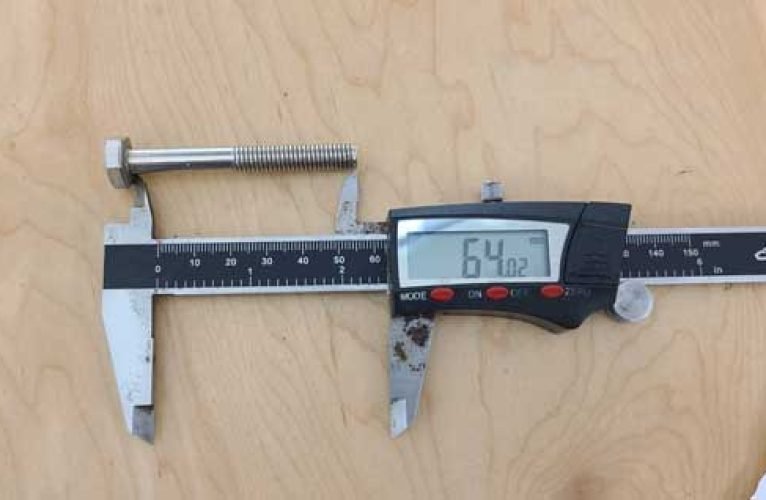
In marine environments, fasteners face some of the harshest conditions: saltwater exposure, high humidity, and constant mechanical stress. Choosing the right fastener material is critical to ensure structural integrity, reduce maintenance costs, and prevent catastrophic failures. Among the most discussed options are Duplex Fasteners and standard stainless steel fasteners.
So, which should you choose for marine applications? In this article, we explore the differences, advantages, and ideal use cases for each material, helping engineers and project managers make informed decisions.
Understanding Duplex Fasteners
Duplex Fasteners are made from duplex stainless steel, a hybrid alloy combining the strength of martensitic steel with the corrosion resistance of austenitic stainless steel. This dual-phase microstructure gives Duplex Fasteners unique properties, making them highly suitable for aggressive marine environments.
Key characteristics include:
- Superior corrosion resistance, especially against chlorides
- High tensile and yield strength
- Resistance to stress corrosion cracking
- Durability under fluctuating loads and thermal cycles
These qualities make Duplex Fasteners ideal for applications where both mechanical strength and corrosion resistance are essential.
Standard Stainless Steel Fasteners: An Overview
Standard stainless steel fasteners, such as grades 304 and 316, are widely used due to their corrosion resistance and availability. They perform well in general environments but have limitations in highly saline or high-stress marine settings.
Key properties include:
- Good corrosion resistance in moderate environments
- Moderate tensile strength
- Relatively easy fabrication and installation
- Lower cost compared to Duplex Fasteners
While standard stainless steel fasteners are suitable for less demanding marine applications, their performance can degrade under prolonged saltwater exposure or high mechanical loads.
Why Marine Environments Are Demanding on Fasteners
Marine environments present unique challenges:
- Saltwater Exposure: Chlorides in seawater accelerate corrosion, particularly in austenitic stainless steels.
- Humidity and Moisture: Constant exposure to moisture increases the risk of pitting and crevice corrosion.
- Mechanical Stress: Wave motion and vibration subject fasteners to fluctuating loads.
- Temperature Variations: Temperature changes can lead to thermal expansion and contraction, affecting joint integrity.
These factors make material selection crucial for long-term reliability.
Advantages of Duplex Fasteners in Marine Use
- Superior Corrosion Resistance
Duplex Fasteners resist pitting and crevice corrosion much better than standard stainless steel. This is particularly important for components exposed to seawater or marine atmospheres, such as boat hulls, offshore platforms, and coastal infrastructure.
- High Strength
With approximately twice the yield strength of standard 316 stainless steel, Duplex Fasteners can handle higher mechanical loads without deformation. This reduces the need for oversized fasteners, saving material and installation costs.
- Resistance to Stress Corrosion Cracking
Chloride-induced stress corrosion cracking is a common issue in marine environments. Duplex Fasteners significantly reduce this risk due to their unique microstructure, enhancing safety and durability.
- Longevity and Maintenance Reduction
Because of their durability, Duplex Fasteners require less frequent inspection and replacement, lowering lifecycle costs for marine projects.
When Standard Stainless Steel Is Sufficient
Standard stainless steel fasteners may still be appropriate in certain marine applications:
- Indoor marine environments with limited salt exposure
- Decorative or non-structural components
- Budget-conscious projects where extreme strength is not critical
For example, stainless steel 316 bolts and screws can perform adequately in yacht interiors, coastal railing installations, or general marine hardware that doesn’t face constant immersion.
Comparing Duplex Fasteners and Standard Stainless Steel
| Feature | Duplex Fasteners | Standard Stainless Steel |
| Corrosion Resistance | Very high, excellent against chlorides | Moderate, susceptible to pitting in saltwater |
| Yield Strength | High (~2x 316 stainless) | Moderate |
| Fatigue Resistance | Excellent | Good |
| Cost | Higher | Lower |
| Ideal Use | Structural and high-stress marine applications | Low-stress or decorative marine applications |
This comparison highlights why Duplex Fasteners are the preferred choice for critical structural and high-load marine projects.
Selecting the Right Fastener for Your Marine Project
When choosing between Duplex Fasteners and standard stainless steel, consider the following:
- Environmental Conditions: Determine chloride exposure, immersion, and humidity.
- Mechanical Requirements: Assess load, vibration, and fatigue factors.
- Project Longevity: Consider maintenance intervals and replacement costs.
- Compliance Standards: Ensure fasteners meet ASTM, ISO, or marine certifications.
- Budget: While Duplex Fasteners are more expensive upfront, their durability can reduce lifecycle costs.
Proper material selection ensures safety, reliability, and cost efficiency over time.
Installation and Maintenance Tips for Marine Fasteners
Even premium fasteners require careful handling:
- Apply correct torque specifications during installation
- Avoid contact with incompatible metals to prevent galvanic corrosion
- Inspect periodically for pitting, cracks, or loosening
- Use protective coatings or lubricants when recommended
These practices maximize the performance and lifespan of both Duplex and standard stainless steel fasteners.
Benefits of Choosing Duplex Fasteners
- High Corrosion Resistance: Ideal for saltwater and chloride-rich environments
- Superior Strength: Handles structural loads without oversizing
- Durable and Long-Lasting: Reduces replacement and maintenance costs
- Reliable in Harsh Conditions: Performs under vibration, thermal cycling, and mechanical stress
- Compliance-Ready: Meets rigorous marine and industrial standards
Investing in Duplex Fasteners ensures safer, stronger, and more efficient marine assemblies.
Frequently Asked Questions (FAQ)
- What are Duplex Fasteners used for in marine applications?
They are ideal for structural components, offshore platforms, shipbuilding, and coastal infrastructure exposed to saltwater and mechanical stress.
- Can standard stainless steel fasteners be used in seawater?
Yes, in low-stress, limited-exposure scenarios. However, they may corrode faster than Duplex Fasteners in highly saline environments.
- How do Duplex Fasteners prevent stress corrosion cracking?
Their dual-phase microstructure combines high strength with corrosion resistance, significantly reducing the risk of chloride-induced cracking.
- Are Duplex Fasteners more expensive than standard stainless steel?
Yes, but their longer lifespan and lower maintenance needs often justify the initial investment.
- How should marine fasteners be installed for best results?
Use proper torque specifications, avoid metal contamination, and inspect periodically to maintain integrity and performance.
Conclusion
For marine applications where strength, durability, and corrosion resistance are paramount, Duplex Fasteners outperform standard stainless steel fasteners. Their superior resistance to pitting, stress corrosion, and mechanical stress makes them the preferred choice for structural, offshore, and high-load marine projects.
While standard stainless steel may suffice in low-stress or decorative applications, investing in Duplex Fasteners ensures long-term reliability, safety, and reduced maintenance costs.
For top-quality Duplex Fasteners suited for marine environments, visit PipingMaterial.sa today. Connect with our team to get expert guidance, technical specifications, and supply solutions tailored to your project needs.