
Duplex Flanges and ASTM A234 WPB: A Complete Guide for Industrial Applications
In modern industrial piping systems, the choice of materials plays a critical role in ensuring durability, safety, and long-term performance. Among the most widely used components are duplex flanges and fittings made from ASTM A234 WPB, both of which are known for their strength, corrosion resistance, and reliability. These materials are commonly used across industries such as oil and gas, petrochemicals, power generation, and marine engineering. Understanding their properties and applications can help industries make informed decisions and optimize system performance.
What Are Duplex Flanges?
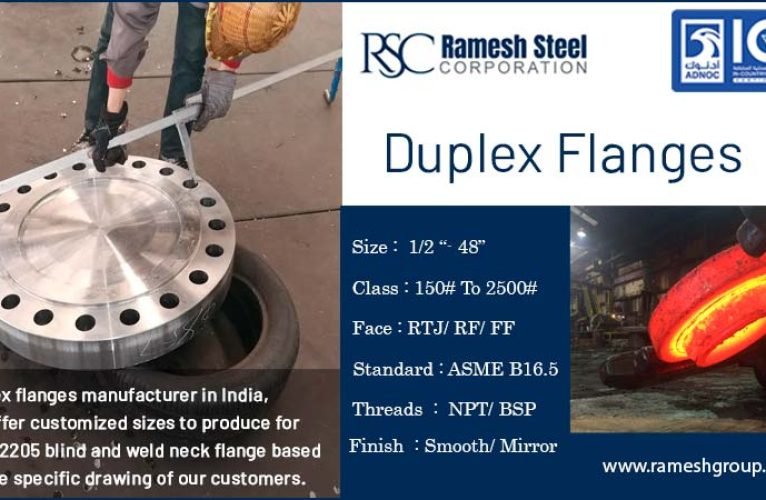
Duplex flanges are manufactured from duplex stainless steel, a material that combines both austenitic and ferritic microstructures. This dual-phase structure gives duplex stainless steel its name and offers superior mechanical properties compared to conventional stainless steel grades.
Duplex flanges are known for their high strength, excellent resistance to stress corrosion cracking, and impressive performance in aggressive environments. They are especially suitable for applications where high pressure, temperature fluctuations, and exposure to corrosive substances are common. Due to their strength, duplex flanges can often be produced with thinner sections, reducing overall system weight without compromising safety.
Key Benefits of Duplex Flanges
One of the main advantages of duplex flanges is their exceptional corrosion resistance. They perform well in chloride-rich environments, making them ideal for offshore platforms, chemical processing plants, and desalination facilities. Additionally, duplex flanges offer nearly twice the yield strength of standard austenitic stainless steel, which improves load-bearing capacity and structural integrity.
Another significant benefit is their cost-effectiveness over the long term. While the initial cost of duplex flanges may be higher, their extended service life and reduced maintenance requirements result in lower total ownership costs. This makes them a preferred choice for critical applications where reliability is essential.
Understanding ASTM A234 WPB
ASTM A234 WPB is a widely used specification for carbon steel wrought pipe fittings. These fittings are designed for moderate and high-temperature service and are commonly used in pressure piping and vessel fabrication. ASTM A234 WPB fittings include elbows, tees, reducers, and caps, making them a crucial part of piping systems across industries.
The material is known for its excellent weldability, toughness, and ability to withstand high pressure. ASTM A234 WPB fittings are typically used in oil refineries, thermal power plants, and chemical industries where strength and durability are key requirements.
Applications of ASTM A234 WPB Fittings
ASTM A234 WPB fittings are widely used in systems that transport fluids, gases, and steam. Their mechanical strength and resistance to deformation under pressure make them suitable for demanding industrial environments. These fittings are often paired with carbon steel pipes and flanges to create a complete, reliable piping network.
In industries where temperature variations are frequent, ASTM A234 WPB components provide stability and consistent performance. Their adaptability to different fabrication processes also makes them a popular choice among engineers and project managers.
Duplex Flanges vs. ASTM A234 WPB Components
While duplex flanges and ASTM A234 WPB fittings serve different purposes, they are often used together in complex piping systems. Duplex flanges are typically selected for sections exposed to corrosive environments, whereas ASTM A234 WPB fittings are preferred for carbon steel piping systems requiring strength and cost efficiency.
The combination of duplex flanges and ASTM A234 WPB fittings allows engineers to balance performance and budget without compromising system safety. By using duplex materials only where necessary, industries can achieve optimal efficiency and durability.
Industrial Standards and Quality Assurance
Both duplex flanges and ASTM A234 WPB products must meet strict international standards to ensure safety and performance. Manufacturers follow precise heat treatment, testing, and inspection processes to maintain quality consistency. Certifications such as chemical composition analysis, mechanical testing, and hydrostatic testing ensure that the components meet project specifications.
Choosing reliable suppliers who adhere to ASTM and ASME standards is essential for ensuring long-term performance and minimizing the risk of system failures.
Conclusion
In today’s demanding industrial landscape, selecting the right materials is critical to achieving operational efficiency and safety. Duplex flanges offer exceptional strength and corrosion resistance, making them ideal for harsh environments, while ASTM A234 WPB fittings provide reliable performance for pressure and temperature-sensitive applications.
By understanding the unique benefits of both materials, industries can design piping systems that are durable, cost-effective, and compliant with international standards. Whether used independently or together, duplex flanges and ASTM A234 WPB components continue to play a vital role in modern industrial infrastructure.