
Flatbed Trailer vs Walking Floor Trailer: Choosing the Right Solution for Your Transport Needs
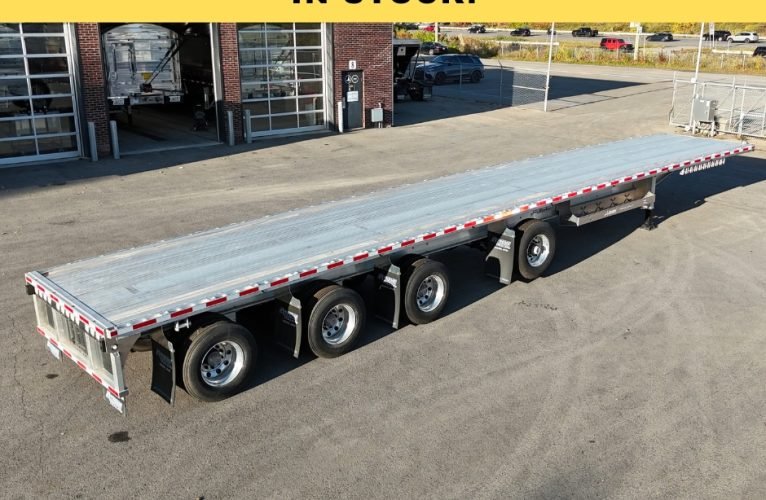
In the logistics and transportation industry, selecting the right trailer can significantly impact efficiency, cost, and overall performance. Two of the most widely used options are the Flatbed Trailer and the Walking Floor Trailer. Each serves a unique purpose and is designed to handle specific types of cargo.
In this blog, we’ll explore the key features, benefits, and differences between these two trailer types to help you make an informed decision.
What Is a Flatbed Trailer?
A Flatbed Trailer is one of the most versatile trailers used in transportation. It features a completely flat, open deck with no sides or roof, making it ideal for carrying oversized or irregularly shaped loads.
This type of trailer is commonly used for transporting construction materials, machinery, steel, lumber, and other heavy goods that cannot be easily loaded into enclosed trailers.
Key Features of a Flatbed Trailer:
- Open design for easy loading and unloading
- Ability to carry oversized cargo
- Compatible with cranes and forklifts
- Flexible loading from all sides
The Flatbed Trailer is especially useful when cargo needs to be loaded from the top or sides, offering maximum convenience.
What Is a Walking Floor Trailer?
A Walking Floor Trailer, also known as a moving floor trailer, is designed with a hydraulic system that automatically unloads cargo without the need for tipping. The floor consists of slats that move back and forth, gradually pushing the load out of the trailer.
This type of trailer is widely used for transporting bulk materials such as agricultural products, waste, wood chips, and recyclables.
Key Features of a Walking Floor Trailer:
- Automated unloading system
- No need to tilt the trailer
- Safe unloading in low-clearance areas
- Ideal for loose or bulk materials
The Walking Floor Trailer is particularly beneficial in environments where tipping is not safe or practical.
Key Differences Between Flatbed Trailer and Walking Floor Trailer
While both trailers are essential in logistics, they serve very different purposes. Here’s a comparison to help you understand their differences:
1. Design and Structure
A Flatbed Trailer has an open platform, while a Walking Floor Trailer is enclosed with a moving floor system.
2. Loading and Unloading
Flatbed trailers require manual or mechanical loading and unloading, often using cranes or forklifts. In contrast, a walking floor trailer uses an automated system to unload cargo efficiently.
3. Type of Cargo
Flatbed trailers are best for large, heavy, and irregular items. Walking floor trailers are ideal for bulk materials that need controlled unloading.
4. Safety and Accessibility
Walking floor trailers offer safer unloading in tight or indoor spaces, whereas flatbed trailers are more suited for open environments.
5. Versatility
The Flatbed Trailer is more versatile in terms of the types of cargo it can carry. However, the Walking Floor Trailer excels in specialized applications.
Advantages of Flatbed Trailer
Choosing a Flatbed Trailer comes with several benefits:
- Suitable for oversized and heavy loads
- Easy loading from multiple angles
- Lower initial cost compared to specialized trailers
- Widely available and commonly used
This makes flatbed trailers a preferred choice for construction and industrial transportation.
Advantages of Walking Floor Trailer
A Walking Floor Trailer also offers unique advantages:
- Efficient and automated unloading process
- Reduced need for additional equipment
- Enhanced safety during unloading
- Ideal for bulk and loose materials
These features make walking floor trailers highly efficient for industries like agriculture, recycling, and waste management.
Which Trailer Should You Choose?
The choice between a Flatbed Trailer and a Walking Floor Trailer depends on your specific needs:
- If you frequently transport large, heavy, or irregularly shaped items, a Flatbed Trailer is the best option.
- If your operations involve bulk materials that require quick and safe unloading, a Walking Floor Trailer is more suitable.
Understanding your cargo type, loading requirements, and working environment will help you make the right decision.
Industries That Use These Trailers
Both trailer types are used across various industries:
Flatbed Trailer:
- Construction
- Manufacturing
- Heavy equipment transport
Walking Floor Trailer:
- Agriculture
- Waste management
- Recycling
- Forestry
Each trailer plays a vital role in improving efficiency within its respective industry.
Final Thoughts
Both the Flatbed Trailer and the Walking Floor Trailer are essential tools in modern transportation. While one offers unmatched versatility, the other provides advanced efficiency for bulk handling.
By carefully evaluating your transportation needs, you can choose the trailer that maximizes productivity and ensures safe, cost-effective operations. Whether you prioritize flexibility or automation, selecting the right trailer will make a significant difference in your logistics performance.