
Flatbed Trailer & Walking Floor Trailer: Choosing the Right Solution for Efficient Transport
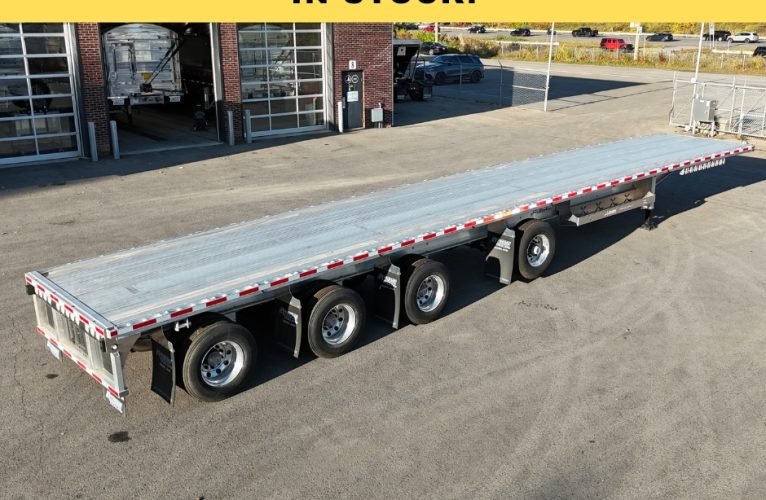
In the world of logistics and transportation, selecting the right trailer is essential for ensuring efficiency, safety, and cost-effectiveness. Two of the most widely used options are the Flatbed Trailer and the Walking Floor Trailer. Each serves a unique purpose and offers distinct advantages depending on the type of cargo and operational needs.
If you’re involved in transportation, construction, or logistics, understanding the differences between these trailers can help you make an informed decision.
What is a Flatbed Trailer?
A Flatbed Trailer is one of the most versatile and commonly used trailers in the transport industry. It features an open, flat platform without sides or a roof, making it ideal for carrying oversized or irregularly shaped loads.
Key features of a Flatbed Trailer
-
Open design: Easy loading and unloading from all sides
-
Versatility: Suitable for a wide range of cargo
-
No height restrictions: Ideal for tall or bulky items
-
Simple structure: Low maintenance and durable
Because of its flexibility, the Flatbed Trailer is widely used across multiple industries.
Common Uses of Flatbed Trailers
The Flatbed Trailer is perfect for transporting:
-
Construction materials (steel, lumber, pipes)
-
Heavy machinery and equipment
-
Large containers
-
Industrial goods
Its open design allows cranes and forklifts to load cargo efficiently, saving time and effort.
What is a Walking Floor Trailer?
A Walking Floor Trailer is a specialized type of trailer designed with a moving floor system that allows cargo to be loaded and unloaded automatically without tipping the trailer.
Key features of a Walking Floor Trailer
-
Automated unloading system: Reduces manual labor
-
Horizontal discharge: No need to tilt the trailer
-
High safety level: Minimizes the risk of tipping accidents
-
Efficient handling of loose materials
This makes the Walking Floor Trailer a preferred choice for specific industries dealing with bulk materials.
Common Uses of Walking Floor Trailers
The Walking Floor Trailer is commonly used for:
-
Agricultural products (grain, feed)
-
Recycling materials (waste, scrap)
-
Wood chips and biomass
-
Bulk industrial materials
Its ability to unload cargo quickly and safely makes it ideal for operations requiring frequent loading and unloading.
Flatbed Trailer vs Walking Floor Trailer
Choosing between a Flatbed Trailer and a Walking Floor Trailer depends on your transportation needs.
Loading and unloading
-
Flatbed Trailer: Requires external equipment like forklifts or cranes
-
Walking Floor Trailer: Self-unloading system for faster operations
Type of cargo
-
Flatbed Trailer: Best for large, heavy, and irregular items
-
Walking Floor Trailer: Ideal for loose or bulk materials
Safety
-
Flatbed Trailer: Safe when properly secured, but requires careful handling
-
Walking Floor Trailer: Safer unloading process without tipping
Cost
-
Flatbed Trailer: Generally more affordable
-
Walking Floor Trailer: Higher initial cost but more efficient for certain operations
Benefits of Using the Right Trailer
Selecting the correct trailer—whether a Flatbed Trailer or a Walking Floor Trailer—can significantly improve your operations.
Increased efficiency
The right trailer reduces loading and unloading time.
Cost savings
Optimized operations lead to lower labor and fuel costs.
Improved safety
Using the appropriate trailer minimizes risks during transport.
Better cargo protection
Ensures goods are transported securely and efficiently.
Factors to Consider When Choosing
Before deciding between a Flatbed Trailer and a Walking Floor Trailer, consider the following:
Type of cargo
Determine whether your goods are bulk materials or large equipment.
Frequency of use
Frequent loading/unloading may justify investing in a walking floor system.
Budget
Consider both initial cost and long-term operational savings.
Transportation environment
Evaluate road conditions, loading facilities, and delivery requirements.
Maintenance Tips for Trailers
Proper maintenance is essential for both Flatbed Trailer and Walking Floor Trailer to ensure long-term performance.
-
Regularly inspect tires and brakes
-
Check structural integrity
-
Lubricate moving parts
-
Maintain hydraulic or mechanical systems
-
Clean after each use
Routine maintenance helps prevent breakdowns and extends the life of your trailer.
Industry Trends in Trailer Technology
The transportation industry is evolving, and both Flatbed Trailer and Walking Floor Trailer designs are improving.
Lightweight materials
Manufacturers are using advanced materials to reduce weight and increase efficiency.
Smart technology
Integration of tracking systems and sensors for better monitoring.
Eco-friendly solutions
Focus on reducing emissions and improving fuel efficiency.
Customization
Trailers can now be tailored to specific business needs.
Conclusion
Both the Flatbed Trailer and the Walking Floor Trailer play crucial roles in modern transportation. While the flatbed offers unmatched versatility for large and heavy loads, the walking floor trailer excels in handling bulk materials with efficiency and safety.
Choosing the right option depends on your specific requirements, budget, and operational goals. By understanding the strengths of each, you can make a smart investment that enhances productivity and ensures smooth, reliable transport every time.