
How Can You Prevent Future Basement Flooding Problems?
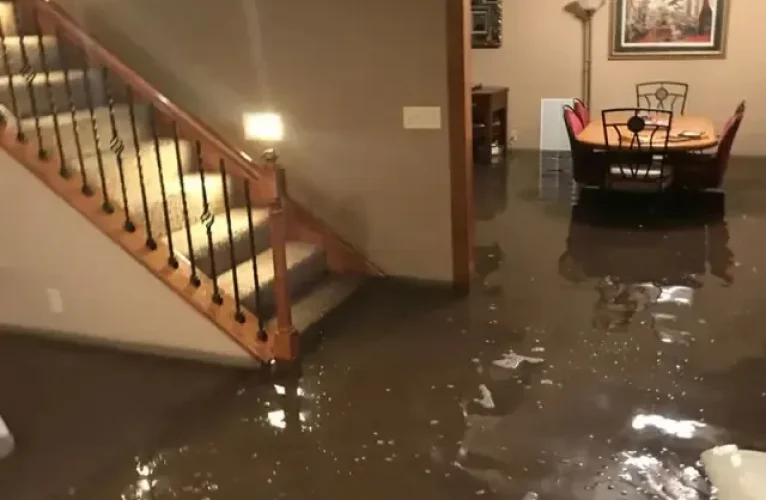
A flooded basement is not just a one-time inconvenience—it often signals deeper structural or drainage issues in your home. If you frequently find yourself saying, “my basement is flooded,” it’s time to look beyond temporary fixes and address the root causes. Common reasons include poor drainage systems, foundation cracks, clogged gutters, and improper grading around your property.
Water always follows the path of least resistance. If your home does not have the right protective measures in place, even a small amount of rainfall can lead to a flooded basement. Understanding why flooding occurs is the first step toward preventing it in the future.
How Can Proper Drainage Systems Prevent Basement Flooding?
A well-designed drainage system plays a critical role in keeping your basement dry. Without proper drainage, water can accumulate around your foundation and eventually seep inside. Installing or upgrading systems like French drains, sump pumps, and backwater valves can significantly reduce the risk.
Make sure your sump pump is in good working condition. Test it regularly and consider installing a battery backup to ensure it functions during power outages. When homeowners ignore these systems, they often end up dealing with situations where “my basement is flooded” during heavy storms.
Professional services like Ideal Response can assess your current drainage setup and recommend improvements that protect your home long-term.
What Role Does Landscaping Play in Preventing a Flooded Basement?
Your yard’s grading directly impacts how water flows around your home. If the ground slopes toward your house instead of away from it, water will naturally move toward your foundation, increasing the risk of a flooded basement.
Ensure that your landscaping directs water away from your property. You can achieve this by:
- Sloping the soil away from your foundation
- Installing downspout extensions
- Using gravel or drainage channels
Even small adjustments in landscaping can make a big difference. Many homeowners overlook this factor until they repeatedly face the issue of “my basement is flooded.”
How Important Is Foundation Maintenance?
Cracks in your foundation provide an easy entry point for water. Over time, even tiny cracks can expand and lead to serious water damage. Regular inspection and maintenance of your foundation are essential to prevent a flooded basement.
Seal any visible cracks using waterproof sealants. For larger structural issues, consult professionals who specialize in foundation repair. Ignoring these warning signs can turn a minor issue into a major problem.
Companies like Ideal Response offer expert solutions to identify and fix vulnerabilities before they escalate into costly repairs.
Can Gutters and Downspouts Help Avoid Basement Flooding?
Yes, gutters and downspouts are your first line of defense against water intrusion. When they function properly, they direct rainwater away from your home. However, clogged or damaged gutters can cause water to overflow and pool near your foundation.
To prevent a flooded basement:
- Clean your gutters regularly
- Check for leaks or sagging sections
- Ensure downspouts extend at least 5–10 feet away from your home
Many cases of “my basement is flooded” can be traced back to neglected gutter systems. Routine maintenance can save you from significant water damage.
Should You Waterproof Your Basement Walls?
Waterproofing your basement is one of the most effective long-term solutions. Interior and exterior waterproofing methods create a barrier that prevents water from entering your home.
Interior waterproofing includes sealants and drainage systems, while exterior waterproofing involves applying protective coatings and installing drainage membranes. Both methods work together to reduce the chances of a flooded basement.
Investing in waterproofing not only protects your property but also increases its value. It gives you peace of mind during heavy rains and unpredictable weather conditions.
How Can Regular Inspections Prevent Future Problems?
Prevention always starts with awareness. Regular inspections allow you to identify potential risks before they turn into emergencies. Check your basement for signs of moisture, mold, or dampness.
Look for:
- Water stains on walls or floors
- Musty odors
- Cracks in the foundation
- Malfunctioning sump pumps
If you notice any of these signs, act immediately. Waiting too long often leads to situations where you suddenly realize, “my basement is flooded,” and the damage has already been done.
What Emergency Steps Should You Take If Your Basement Is Flooded?
Even with preventive measures, emergencies can still occur. Knowing what to do when you have a flooded basement can minimize damage.
Follow these steps:
- Turn off electricity to the affected area
- Remove standing water using pumps or wet vacuums
- Dry out the space with fans and dehumidifiers
- Remove damaged items and materials
- Call professionals for restoration
Quick action reduces the risk of mold growth and structural damage. Professional restoration services like Ideal Response ensure that your basement is thoroughly cleaned, dried, and restored.
Can Smart Technology Help Prevent Basement Flooding?
Modern technology offers innovative solutions to protect your home. Smart water sensors and leak detectors can alert you at the first sign of moisture. These devices connect to your smartphone and provide real-time updates.
Installing smart systems helps you act quickly before a minor leak turns into a flooded basement. It’s a proactive approach that many homeowners are adopting to avoid hearing the dreaded phrase, “my basement is flooded.”
Why Is Professional Help Essential for Long-Term Prevention?
While DIY solutions can address minor issues, professional expertise ensures comprehensive protection. Experts can identify hidden problems and provide tailored solutions based on your home’s structure and location.
Ideal Response specializes in flood prevention and restoration services. Their team uses advanced tools and techniques to safeguard your basement against future flooding. By investing in professional help, you reduce risks and save money in the long run.
How Can You Create a Long-Term Flood Prevention Plan?
A solid prevention plan combines multiple strategies to keep your basement dry. Start by evaluating your current systems and identifying weak points. Then, implement improvements such as drainage upgrades, waterproofing, and regular maintenance.
Your plan should include:
- Routine inspections
- Seasonal maintenance
- Emergency preparedness
- Professional assessments
Consistency is key. When you stay proactive, you significantly reduce the chances of dealing with a flooded basement again.
Final Thoughts: How Can You Stay One Step Ahead of Basement Flooding?
Preventing basement flooding requires a combination of awareness, maintenance, and smart investments. By addressing the root causes and implementing effective solutions, you can protect your home from water damage.
If you often find yourself saying “my basement is flooded,” it’s time to take action. Focus on drainage, foundation care, and professional support to ensure long-term protection. With the right approach, you can keep your basement dry and your home safe for years to come.