
How Do Dementia Care Home Builders Design Safe and Supportive Living Spaces?
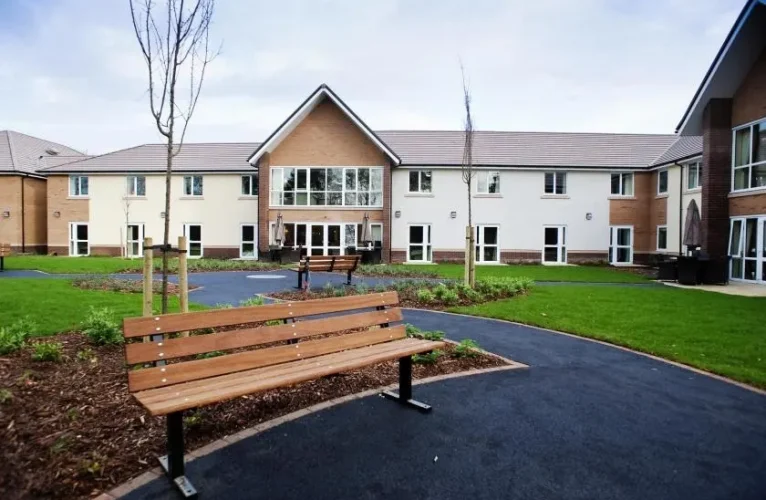
A dementia care home builder plays a crucial role in creating environments that enhance safety, comfort, and emotional well-being for residents. Unlike standard construction, dementia-focused design requires deep understanding of cognitive decline, behavioral patterns, and mobility challenges. Builders must carefully plan every detail—from layout to lighting—to reduce confusion and promote independence.
Today, families and care providers expect more than just functional spaces. They want environments that feel like home while offering structured support. This is where expert companies like Care Home Builders stand out by delivering purpose-driven solutions tailored to dementia care needs.
How Do Layouts Improve Safety and Navigation in Dementia Care Homes?
A well-thought-out layout is the foundation of a safe dementia care environment. A professional dementia care home builder prioritizes simple, intuitive designs that reduce stress and confusion.
Builders often use:
- Circular walking paths to prevent dead ends
- Clear sightlines for easy supervision
- Open communal spaces to encourage interaction
- Minimal level changes to reduce fall risks
These design choices help residents move freely without feeling trapped or disoriented. In many care home renovation projects, outdated layouts are redesigned to improve flow and accessibility, ensuring residents can navigate spaces independently.
Why Is Lighting Important in Dementia-Friendly Design?
Lighting plays a significant role in mood, safety, and orientation. Poor lighting can increase confusion and agitation in dementia patients. That’s why a skilled dementia care home builder uses natural and artificial lighting strategically.
Key lighting features include:
- Maximizing natural daylight to regulate sleep cycles
- Using soft, non-glare lighting to reduce visual discomfort
- Installing motion-sensor lights for nighttime safety
- Highlighting key areas like bathrooms and hallways
During a care home renovation, upgrading lighting systems is one of the most effective ways to improve the living environment without major structural changes.
How Do Colors and Materials Affect Dementia Patients?
Color schemes and materials directly influence how residents perceive their surroundings. A professional dementia care home builder carefully selects colors that aid recognition and reduce anxiety.
Best practices include:
- Using contrasting colors for doors, walls, and floors
- Avoiding complex patterns that may cause confusion
- Choosing non-slip flooring for safety
- Incorporating soft, warm tones to create a calming atmosphere
These elements help residents identify spaces easily and feel more comfortable in their environment. Companies like Care Home Builders integrate these design principles to create supportive and visually clear spaces.
What Role Does Outdoor Space Play in Dementia Care Design?
Access to outdoor areas is essential for physical and emotional well-being. A well-designed garden or courtyard can reduce stress, improve mood, and encourage gentle exercise.
A dementia care home builder often includes:
- Secure, enclosed gardens
- Walking paths with clear boundaries
- Seating areas for relaxation
- Sensory gardens with plants and textures
In many care home renovation projects, unused outdoor spaces are transformed into therapeutic environments that promote engagement and independence.
How Do Builders Ensure Safety Without Creating a Clinical Feel?
One of the biggest challenges is balancing safety with a homely atmosphere. Residents should feel comfortable, not institutionalized. A skilled dementia care home builder uses subtle safety features that blend seamlessly into the design.
These include:
- Hidden safety locks
- Discreet monitoring systems
- Soft-edge furniture
- Anti-slip flooring that looks residential
The goal is to maintain dignity while ensuring protection. This approach is a hallmark of experienced companies like Care Home Builders, who understand the emotional impact of design.
Why Is Personalization Important in Dementia Care Homes?
Personalized spaces help residents feel secure and connected to their identity. A professional dementia care home builder incorporates features that allow customization.
Examples include:
- Memory boxes outside rooms
- Personalized décor and furniture
- Familiar objects and photographs
- Flexible room layouts
During a care home renovation, adding personalization elements can significantly improve resident comfort and reduce anxiety.
How Does Technology Enhance Dementia Care Living Spaces?
Modern technology is transforming how care homes operate. A forward-thinking dementia care home builder integrates smart solutions that improve safety and efficiency.
These may include:
- Fall detection systems
- GPS tracking for residents prone to wandering
- Automated lighting and temperature controls
- Emergency call systems
Technology supports caregivers while giving residents more independence. When combined with thoughtful design, it creates a truly supportive environment.
What Are the Benefits of Professional Care Home Renovation for Dementia Facilities?
Upgrading existing facilities is often more practical than building new ones. A well-executed care home renovation can transform outdated spaces into modern, dementia-friendly environments.
Benefits include:
- Improved safety and accessibility
- Enhanced comfort and aesthetics
- Better compliance with care standards
- Increased property value
A trusted dementia care home builder ensures that renovations meet both functional and emotional needs, creating spaces that truly support residents.
How Do Dementia Care Home Builders Create a Sense of Community?
Social interaction is vital for mental health. Builders design spaces that encourage connection and reduce isolation.
Key features include:
- Communal dining areas
- Activity rooms
- Comfortable lounges
- Open-plan layouts
These spaces foster engagement and help residents maintain a sense of belonging. A thoughtful care home renovation can introduce these elements even in older facilities.
What Should You Look for When Choosing a Dementia Care Home Builder?
Selecting the right builder is critical to the success of your project. Look for professionals with experience in dementia care design and a strong portfolio.
Important factors include:
- Understanding of dementia-specific needs
- Experience in care home renovation
- Use of high-quality, safe materials
- Ability to balance safety and comfort
Companies like Care Home Builders bring expertise and innovation to every project, ensuring that each space supports both residents and caregivers.
How Do Thoughtful Designs Improve Quality of Life for Dementia Patients?
Ultimately, the goal of a dementia care home builder is to enhance quality of life. Thoughtful design reduces stress, prevents accidents, and promotes independence.
When residents feel safe and comfortable, they are more likely to engage, socialize, and maintain a sense of identity. Whether through new construction or care home renovation, investing in proper design creates lasting benefits for everyone involved.
Conclusion: Why Is Specialized Design the Future of Dementia Care Homes?
Dementia care requires more than standard construction—it demands empathy, innovation, and expertise. A professional dementia care home builder understands how to create environments that support both physical safety and emotional well-being.
With the right approach, care homes can become nurturing spaces where residents thrive. Whether you are building from scratch or planning a care home renovation, choosing experienced professionals like Care Home Builders ensures that every detail contributes to a safer, more supportive living environment.