
How do kurti manufacturers source raw materials?
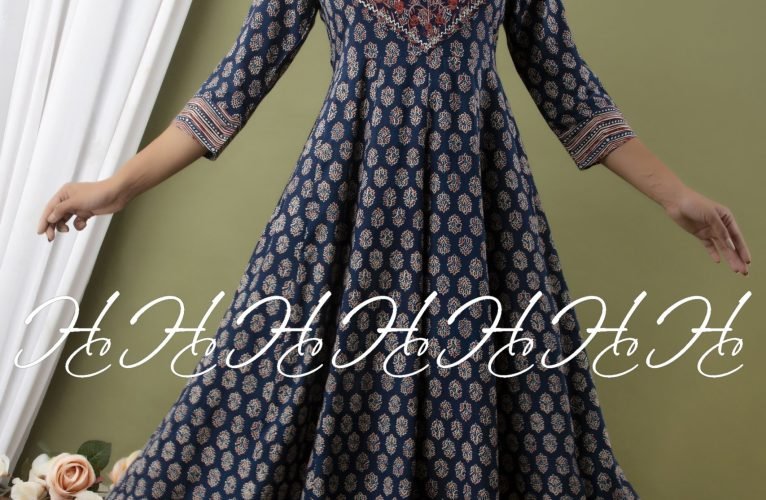
Kurti manufacturers play a crucial role in shaping the quality, comfort, and appeal of the garments they produce. One of the most important factors behind a well-made kurti is the sourcing of raw materials. From fabrics to embellishments, every component directly affects durability, texture, and overall design. Understanding how kurti manufacturers source raw materials offers insight into the craftsmanship, planning, and supply chain management that goes into every piece.
Understanding Material Requirements
Kurti manufacturers begin by identifying the type of garments they want to produce and the market they want to serve. Casual cotton kurtis, festive silk pieces, and designer blends all require different raw materials. Manufacturers analyze fashion trends, seasonal demand, and customer preferences before selecting fabrics.
This planning stage helps manufacturers determine the volume and variety of materials they need. For example, lightweight cotton becomes a priority during summer collections, while richer fabrics like rayon or silk blends gain importance during festive seasons. By aligning material sourcing with production goals, manufacturers ensure consistency in quality and availability.
Building Relationships with Fabric Suppliers
Reliable supplier relationships form the backbone of raw material sourcing. Established kurti manufacturers work closely with textile mills, fabric traders, and wholesalers to secure high-quality materials. These long-term partnerships help manufacturers negotiate better pricing, maintain steady supply, and ensure fabric authenticity.
A kurti wholesaler in Jaipur, for instance, often benefits from proximity to textile hubs known for block printing, cotton weaving, and dyeing traditions. Jaipur’s textile ecosystem allows manufacturers to directly inspect materials, collaborate with artisans, and customize fabric specifications. This close interaction reduces delays and supports quality control.
Manufacturers also diversify their supplier base to avoid disruptions. By working with multiple vendors, they maintain production continuity even if one supplier experiences shortages or delays.
Prioritizing Fabric Quality and Testing
Quality checks remain a central part of sourcing. Kurti manufacturers do not simply purchase fabric in bulk; they test samples before approving full orders. These tests include checking colorfastness, shrinkage behavior, texture, and durability.
Manufacturers examine whether the fabric retains its color after washing, resists tearing, and feels comfortable on the skin. They also evaluate stitching compatibility to ensure the material performs well during garment construction. This proactive testing prevents costly production errors and protects brand reputation.
When buyers search for kurti manufacturers near me, they often prioritize businesses known for consistent fabric quality. Manufacturers who invest time in testing earn customer trust and repeat orders.
Ethical and Sustainable Sourcing Practices
Modern kurti manufacturers increasingly adopt ethical sourcing strategies. They partner with suppliers who follow responsible labor practices and environmentally conscious production methods. Sustainable sourcing may include organic cotton, low-impact dyes, or recycled packaging materials.
These practices appeal to environmentally aware consumers while helping manufacturers reduce their ecological footprint. Sustainable sourcing also strengthens brand identity and market positioning, especially in premium and export segments.
Manufacturers who emphasize ethical sourcing often conduct supplier audits or certifications to verify compliance. This transparency ensures accountability across the supply chain.
Leveraging Textile Hubs and Local Markets
India’s textile clusters provide a strategic advantage for kurti manufacturers. Cities like Jaipur, Surat, and Ahmedabad offer access to diverse fabrics, skilled artisans, and specialized dyeing units. A kurti wholesaler in Jaipur, for example, can source hand-block printed cotton directly from local workshops, preserving traditional craftsmanship while ensuring authenticity.
Local sourcing reduces transportation costs, speeds up procurement, and allows manufacturers to respond quickly to changing fashion trends. Manufacturers frequently visit textile markets to evaluate new materials, negotiate prices, and build partnerships.
These hubs also encourage innovation. Exposure to new weaving techniques, prints, and textures helps manufacturers develop unique collections that stand out in competitive markets.
Managing Inventory and Forecasting Demand
Effective sourcing goes hand in hand with inventory management. Kurti manufacturers analyze sales data and seasonal patterns to forecast raw material requirements. Accurate forecasting prevents overstocking or shortages, both of which impact profitability.
Manufacturers maintain a balance between ready stock and made-to-order procurement. Popular fabrics remain in inventory, while specialty materials get sourced based on confirmed orders. This hybrid approach ensures flexibility without tying up excessive capital.
Advanced manufacturers use digital inventory systems to track fabric usage, reorder points, and supplier timelines. These tools streamline procurement and improve efficiency.
Collaboration with Designers and Production Teams
Raw material sourcing does not happen in isolation. Designers and production managers actively participate in fabric selection. Designers recommend textures, colors, and prints that match upcoming collections, while production teams assess feasibility and cost.
This collaboration ensures that creative vision aligns with practical manufacturing requirements. When teams work together, manufacturers avoid mismatches between design intent and material performance.
Adapting to Market Trends
Fashion trends constantly evolve, and kurti manufacturers must adapt quickly. They monitor runway shows, customer feedback, and retail sales to anticipate fabric demand. Quick sourcing decisions allow them to introduce fresh collections without delay.
Manufacturers who stay agile maintain strong supplier communication and flexible procurement strategies. This responsiveness keeps them competitive in a fast-moving apparel market.
Conclusion
Kurti manufacturers source raw materials through a thoughtful blend of planning, supplier partnerships, quality control, and market awareness. They rely on textile hubs, ethical practices, and collaborative decision-making to maintain high standards. Whether working with a kurti wholesaler in Jaipur or expanding supplier networks, manufacturers prioritize reliability and quality at every step.