
The Art of Timeless Interiors: From Folk Art to Mid-Century Design
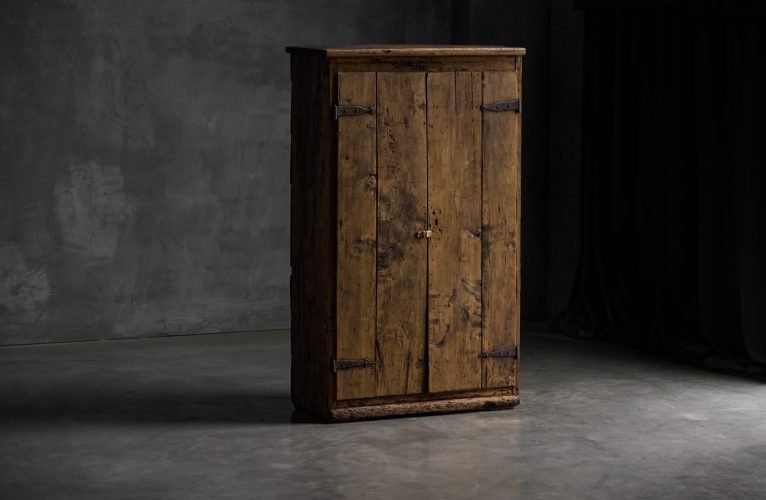
In contemporary interior design, there is a growing appreciation for authenticity, craftsmanship, and cultural heritage. Styles such as folk art and vernacular design have made a remarkable comeback, offering spaces that feel personal, warm, and meaningful. By blending alpine design, rural influences, and rustic furniture with modern aesthetics, homeowners can create interiors that celebrate tradition while remaining relevant and stylish.
Folk art is at the heart of this design philosophy. Unlike mass-produced items, folk art carries a story, reflecting the traditions, values, and creativity of local communities. From intricately carved wooden panels to hand-painted chests and embroidered textiles, folk art brings a narrative quality to interiors. Incorporating these pieces allows a home to honor cultural heritage while adding layers of texture, color, and personality that modern design often lacks.
Similarly, vernacular design emphasizes locally sourced materials, regional techniques, and environmental responsiveness. Homes influenced by vernacular principles use natural wood, stone, and traditional joinery to create spaces that are both practical and culturally rooted. Vernacular interiors not only feel authentic but also promote sustainability, demonstrating that thoughtful design can respect both heritage and ecology.
One style that exemplifies warmth and tradition is alpine design. Originating from mountainous European regions, alpine design integrates exposed timber beams, natural finishes, and cozy textiles to create inviting interiors. When combined with rural inspirations, alpine design evokes the serenity of countryside living. These interiors feel intimate and comforting, perfect for those seeking respite from the fast-paced modern world.
At the center of such spaces is rustic furniture, a cornerstone of traditional interior design. Rustic furniture is often handcrafted, durable, and full of character, with visible textures, knots, and natural imperfections. From a reclaimed wood dining table to a hand-turned chair, rustic furniture adds warmth and authenticity, grounding a space and creating a sense of permanence. These elements harmonize effortlessly with both folk art and modern design motifs.
Architectural insights from Dom Hans van der Laan further enhance contemporary interiors. His approach emphasized proportion, harmony, and the spiritual quality of spaces. By applying Van der Laan’s principles, designers can create interiors that are balanced, intentional, and human-centered. Spaces informed by his philosophy feel thoughtfully composed, with a subtle elegance that complements artisanal details and natural textures.
The Japanese philosophy of Wabi Sabi also plays a significant role in modern design. Emphasizing imperfection, natural aging, and simplicity, Wabi Sabi encourages appreciation for materials as they are, with all their irregularities. When combined with rustic furniture and folk art, interiors inspired by Wabi Sabi feel authentic, calming, and reflective. This approach allows spaces to embrace impermanence, finding beauty in the organic and imperfect.
Historical design movements like the Amsterdamse School and Art Deco continue to influence contemporary interiors. The Amsterdamse School is known for its sculptural forms, intricate brickwork, and expressive details, which bring personality and depth to modern homes. Meanwhile, Art Deco offers symmetry, geometric patterns, and luxury materials, adding glamour and refinement. Integrating these movements alongside folk art and rustic furniture results in interiors that are eclectic, layered, and visually engaging.
The timeless appeal of mid-century design also contributes to modern interiors. Its clean lines, functional layouts, and organic shapes provide balance and simplicity, complementing traditional elements like vernacular architecture and alpine design. Combining mid-century design with rural accents and rustic furniture allows spaces to feel both contemporary and historically informed, bridging past and present with elegance.
At goldwoodbyboris, the philosophy is to integrate these diverse influences into cohesive and inviting interiors. Their approach blends Wabi Sabi, Dom Hans van der Laan, and artisanal craftsmanship with traditional and modern elements, ensuring each space is both functional and meaningful. Through careful curation of textures, materials, and patterns, they create homes that honor tradition while embracing contemporary living.
The revival of traditional and artisanal aesthetics reflects a desire for interiors that are authentic, human-centered, and emotionally resonant. Folk art, vernacular design, alpine design, and rustic furniture create spaces that tell stories, evoke nostalgia, and promote comfort. Complementing these elements with influences from Amsterdamse School, Art Deco, and mid-century design adds sophistication, depth, and timeless style. By thoughtfully combining these approaches, designers and homeowners can craft interiors that are both culturally rich and visually stunning.
In conclusion, the fusion of traditional craftsmanship and modern design principles creates interiors that are timeless, authentic, and deeply personal. The integration of folk art, vernacular influences, alpine design, and rustic furniture provides warmth, texture, and narrative. Principles from Dom Hans van der Laan, Wabi Sabi, Amsterdamse School, Art Deco, and mid-century design ensure balance, elegance, and lasting appeal. By embracing these philosophies, interiors can become more than just living spaces—they become reflections of culture, history, and human connection.