
Understanding A2 70 Bolts and A4 70 Bolts: Choosing the Right Fastener for Your Projects
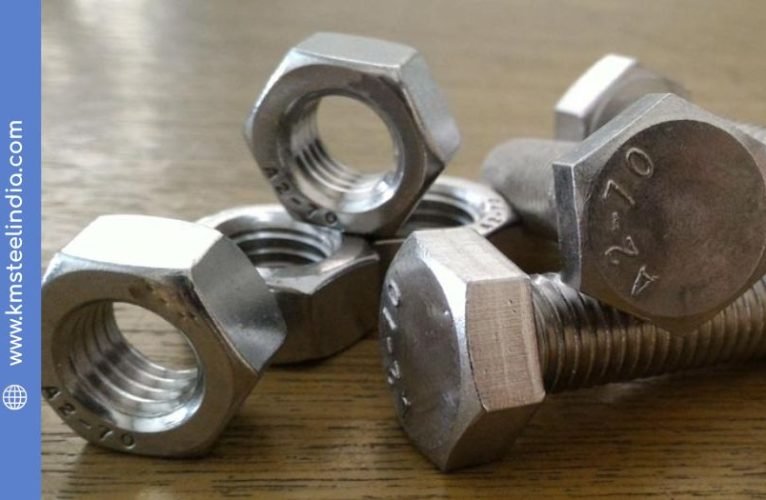
When it comes to construction, machinery, or DIY projects, the importance of high-quality fasteners cannot be overstated. Among the wide variety of bolts available, A2 70 bolt and A4 70 bolts are two commonly used options that provide excellent strength, corrosion resistance, and reliability. Understanding the differences between these two types of bolts, their applications, and advantages can save you time, money, and frustration during assembly or maintenance projects.
What Are A2 70 and A4 70 Bolts?
Both A2 70 bolts and A4 70 bolts are stainless steel bolts designed to provide strong and durable fastening. The numbers and letters in their names refer to their material grade and strength class.
-
A2 70 bolt: Made from A2 stainless steel (commonly 304 grade), these bolts are corrosion-resistant and offer a tensile strength of approximately 700 MPa. The “70” indicates the bolt’s strength class, which is suitable for many general-purpose applications.
-
A4 70 bolt: Constructed from A4 stainless steel (commonly 316 grade), these bolts are even more resistant to corrosion, especially in marine or chemical environments. The “70” again refers to the strength class, matching that of the A2 70 bolt in tensile strength but offering superior durability against harsh conditions.
Understanding these distinctions is crucial for selecting the right bolt for your project, especially if it involves exposure to moisture, chemicals, or high-stress applications.
Key Differences Between A2 70 Bolt and A4 70 Bolt
While both bolts belong to the stainless steel family and share similar mechanical properties, their differences lie primarily in corrosion resistance and applications:
-
Corrosion Resistance:
-
A2 70 bolts perform well in indoor environments and areas with moderate exposure to moisture. They are ideal for general construction, furniture assembly, or automotive applications.
-
A4 70 bolts are designed to withstand saltwater, chemicals, and extreme weather. This makes them ideal for marine applications, chemical plants, or outdoor structures in coastal areas.
-
-
Material Composition:
-
A2 stainless steel contains around 18% chromium and 8% nickel, providing good corrosion resistance.
-
A4 stainless steel includes molybdenum in addition to chromium and nickel, enhancing its resistance to pitting and crevice corrosion, especially in chloride-rich environments.
-
-
Cost Considerations:
-
A2 70 bolts are generally more cost-effective, making them suitable for projects where extreme corrosion resistance is not critical.
-
A4 70 bolts are more expensive due to their superior material composition but offer long-term durability in demanding conditions.
-
Applications of A2 70 and A4 70 Bolts
Choosing between an A2 70 bolt and an A4 70 bolt largely depends on the project environment:
-
A2 70 Bolt Applications:
-
Indoor construction and furniture assembly
-
Automotive parts and engine components
-
Machinery and equipment where exposure to moisture is minimal
-
Light outdoor use in non-coastal areas
-
-
A4 70 Bolt Applications:
-
Marine hardware, boats, and dock fittings
-
Chemical processing equipment
-
Outdoor structures in coastal or high-salinity areas
-
Any application requiring high resistance to corrosion and environmental wear
-
Advantages of Using A2 70 and A4 70 Bolts
Using high-quality stainless steel bolts like A2 70 and A4 70 offers several advantages:
-
Durability: Both bolts provide excellent mechanical strength, reducing the risk of breakage or loosening over time.
-
Corrosion Resistance: Stainless steel bolts resist rust and chemical degradation, extending the life of assemblies.
-
Versatility: With a wide range of sizes and thread options, these bolts can be used in numerous applications.
-
Aesthetic Appeal: Stainless steel maintains a clean, polished appearance, which is especially useful for visible assemblies.
Choosing the Right Bolt for Your Project
Selecting the correct bolt between A2 70 and A4 70 involves considering the environment, mechanical load, and budget. For most indoor and moderate outdoor projects, A2 70 bolts provide sufficient strength and corrosion resistance. However, if the project involves exposure to harsh chemicals, saltwater, or high-moisture environments, A4 70 bolts are the safer choice for long-term performance.
Additionally, ensure that the bolt size and thread type match your application. Using the right torque specifications and washers can also enhance performance and prevent failures.
Conclusion
Bolts are small components, but their impact on the safety, longevity, and reliability of structures is enormous. By understanding the differences between A2 70 bolts and A4 70 bolts, you can make informed choices that suit both your project’s requirements and budget. Whether you’re working on general construction, automotive repairs, or marine applications, selecting the appropriate stainless steel bolt ensures durability, corrosion resistance, and peace of mind for years to come.
Investing in quality fasteners like A2 70 and A4 70 bolts is not just a technical decision—it’s a commitment to safety and performance. So, next time you plan a project, consider the environment and demands of your application carefully and choose the bolt that will best meet your needs.