
Understanding ASTM A333 Grade 6 and ASTM A53 Grade B Pipes: Applications, Benefits, and Key Differences
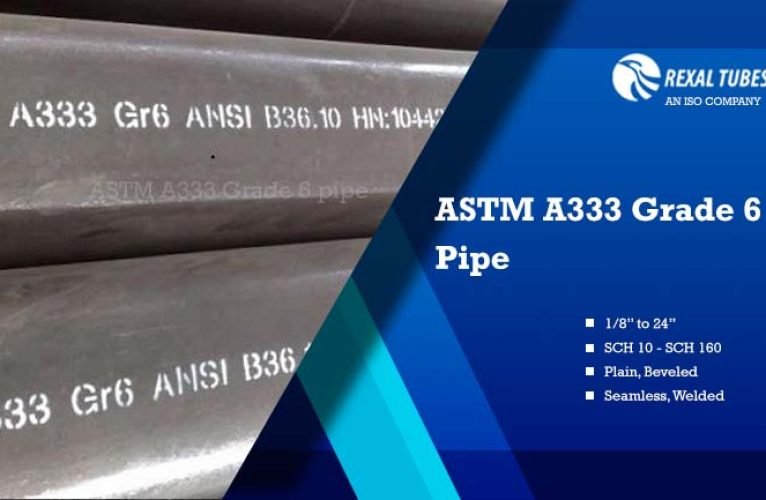
In industrial piping systems, material selection plays a critical role in ensuring safety, efficiency, and long-term performance. Among the most widely used carbon steel pipe grades are ASTM A333 Grade 6 and ASTM A53 Grade B. Both standards are recognized globally for their reliability and versatility, yet they are designed for different operating conditions and applications. This blog explores their properties, uses, advantages, and differences to help engineers, project managers, and procurement professionals make informed decisions.
What is ASTM A333 Grade 6?
ASTM A333 Grade 6 is a carbon steel pipe specification intended for low-temperature service. It is commonly used in environments where pipes are exposed to sub-zero temperatures and must maintain toughness and strength without becoming brittle. This grade is seamless or welded and is supplied in normalized condition to improve its mechanical properties.
One of the defining characteristics of ASTM A333 Grade 6 is its excellent impact resistance at low temperatures. It undergoes rigorous Charpy impact testing to ensure performance in cryogenic and cold-weather applications. As a result, it is extensively used in industries such as oil and gas, petrochemicals, power plants, and refineries operating in cold climates.
Key features of ASTM A333 Grade 6 include:
-
High toughness at low temperatures
-
Good weldability and formability
-
Reliable performance under pressure
-
Compliance with strict quality and testing standards
These properties make ASTM A333 Grade 6 an ideal choice for pipelines carrying gas, oil, and other fluids in low-temperature environments.
What is ASTM A53 Grade B?
ASTM A53 Grade B is one of the most commonly used carbon steel pipe grades for general-purpose applications. It is suitable for mechanical, structural, and pressure uses and is available in seamless, welded, and ERW forms. This grade is designed for moderate temperature and pressure conditions.
ASTM A53 Grade B is known for its strength, durability, and cost-effectiveness. It is widely used in construction, water pipelines, fire protection systems, HVAC installations, and industrial process piping. Because of its versatility, it is often the first choice for standard piping requirements across multiple industries.
Key features of ASTM A53 Grade B include:
-
Good tensile and yield strength
-
Easy availability in various sizes and schedules
-
Excellent machinability and weldability
-
Cost-efficient solution for general piping needs
Due to these advantages, ASTM A53 Grade B remains a preferred material for both commercial and industrial projects.
Applications of ASTM A333 Grade 6 and ASTM A53 Grade B
While both grades are carbon steel pipes, their applications differ significantly based on operating conditions.
ASTM A333 Grade 6 is primarily used in:
-
Low-temperature oil and gas pipelines
-
LNG and cryogenic systems
-
Power plants in cold regions
-
Refineries and petrochemical facilities
On the other hand, ASTM A53 Grade B is commonly used in:
-
Water and gas distribution systems
-
Structural and mechanical applications
-
Fire sprinkler systems
-
Industrial and commercial piping
Choosing the right grade ensures system safety, compliance with standards, and long service life.
Key Differences Between ASTM A333 Grade 6 and ASTM A53 Grade B
The main difference between these two grades lies in their temperature performance and intended use. ASTM A333 Grade 6 is specifically engineered for low-temperature applications and undergoes impact testing, whereas ASTM A53 Grade B is designed for general-purpose use and does not require low-temperature impact testing.
Additionally, ASTM A333 Grade 6 typically has stricter quality control requirements due to its use in critical environments. ASTM A53 Grade B, while still meeting industry standards, offers a more economical solution for standard piping systems.
Benefits of Choosing the Right Pipe Grade
Selecting the appropriate pipe grade not only enhances operational efficiency but also reduces maintenance costs and minimizes the risk of failure. Using ASTM A333 Grade 6 in low-temperature environments ensures safety and reliability, while ASTM A53 Grade B provides a cost-effective and durable solution for everyday piping needs.
Both materials are widely available and supported by global standards, making them trusted choices across industries.
Conclusion
In conclusion, ASTM A333 Grade 6 and ASTM A53 Grade B serve distinct yet equally important roles in industrial piping systems. ASTM A333 Grade 6 excels in low-temperature and critical applications where toughness is essential, while ASTM A53 Grade B offers versatility and affordability for general-purpose use. Understanding their properties, applications, and differences allows project stakeholders to select the right material for optimal performance and long-term reliability.
When sourced from reputable manufacturers and suppliers, both ASTM A333 Grade 6 and ASTM A53 Grade B pipes deliver consistent quality, compliance, and confidence for a wide range of industrial applications.