
Understanding Power Distribution Transformers and Pad Mounted Transformers
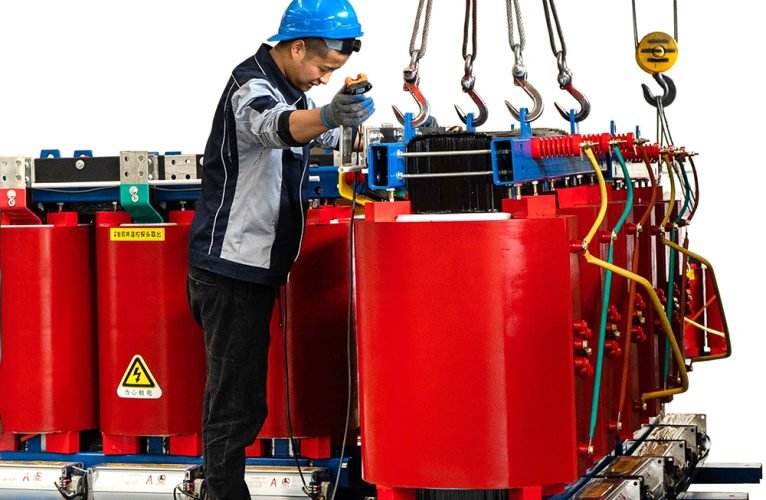
In today’s rapidly advancing electrical infrastructure, reliable power distribution is more important than ever. Two critical components in this system are Power Distribution Transformers and Pad Mounted Transformers. These devices play a pivotal role in ensuring electricity reaches homes, commercial buildings, and industrial facilities safely and efficiently. Whether you are an engineer, contractor, or a utility provider, understanding these transformers is essential.
What is a Power Distribution Transformer?
A Power Distribution Transformer is a type of electrical transformer designed to step down high-voltage electricity from power lines to a lower voltage suitable for use by end consumers. Unlike power transformers, which operate at extremely high voltages in transmission networks, distribution transformers work at lower voltages and are directly responsible for delivering electricity to residential, commercial, and industrial users.
These transformers are crucial in maintaining the stability and efficiency of the power grid. They reduce energy loss and ensure that electrical devices operate safely without being exposed to dangerously high voltages. Modern Power Distribution Transformers are designed to handle varying load conditions, minimize maintenance requirements, and provide high reliability over their operational life.
Key Features of Power Distribution Transformers:
-
Voltage Regulation: They maintain consistent voltage levels for end-users.
-
Load Handling: Capable of operating efficiently under varying electrical loads.
-
Durability: Built to withstand environmental conditions such as temperature fluctuations and moisture.
-
Efficiency: Modern designs reduce energy losses, making electricity distribution more economical.
Introducing Pad Mounted Transformers
While traditional distribution transformers are often mounted on poles, the Pad Mounted Transformer has become increasingly popular, especially in urban and suburban areas. A pad mounted transformer is a ground-level transformer enclosed in a locked, weatherproof metal cabinet. This design ensures safety, security, and reliability.
Benefits of Pad Mounted Transformers:
-
Safety: Unlike pole-mounted transformers, pad mounted units reduce the risk of accidents and are less prone to tampering.
-
Aesthetics: These transformers are compact and blend seamlessly into residential and commercial neighborhoods without obstructing views.
-
Accessibility: Ground-level placement allows easier access for maintenance and inspection.
-
Durability: Designed to withstand harsh environmental conditions, including rain, snow, and extreme temperatures.
-
Efficiency: Just like conventional distribution transformers, pad mounted transformers are highly efficient in reducing energy loss.
Applications of Power Distribution and Pad Mounted Transformers
Both Power Distribution Transformers and Pad Mounted Transformers are used extensively across various sectors:
-
Residential Areas: Pad mounted transformers are common in residential neighborhoods where overhead lines are impractical or undesirable. They provide reliable, low-voltage electricity for homes.
-
Commercial Complexes: Businesses require stable and safe power for their operations. Distribution transformers ensure a steady supply, while pad mounted transformers offer safety and aesthetic advantages.
-
Industrial Zones: Industrial facilities often require high loads of electricity. Power distribution transformers efficiently step down voltage for machinery and production lines.
-
Renewable Energy Integration: With the rise of solar and wind energy systems, distribution transformers help integrate electricity from renewable sources into the local grid safely.
Maintenance and Safety Considerations
Maintaining transformers is crucial for uninterrupted electricity supply. Regular inspections, oil level checks, and ensuring proper ventilation are some of the standard maintenance practices. Pad mounted transformers also require periodic inspection to check for physical damage, corrosion, and secure locking mechanisms.
Safety is a key factor. Both types of transformers operate at high voltages, and improper handling can lead to severe electrical hazards. Installing transformers in compliance with regulatory standards and using appropriate grounding methods ensures protection for both personnel and the surrounding infrastructure.
The Future of Power Distribution Transformers
Advancements in materials, smart grid technology, and monitoring systems are revolutionizing the transformer industry. Modern Power Distribution Transformers now feature smart sensors for real-time monitoring, predictive maintenance, and improved energy efficiency. Similarly, pad mounted transformers are being enhanced with digital monitoring systems that alert utilities to potential issues before they escalate.
These innovations are crucial as urbanization increases and electricity demand grows. By investing in high-quality transformers and adopting smart technologies, utility providers can deliver uninterrupted, reliable, and efficient power to their customers.
Conclusion
In summary, Power Distribution Transformers and Pad Mounted Transformers are integral to modern electrical systems. They ensure that electricity is safely and efficiently delivered from the grid to end-users, whether in residential neighborhoods, commercial complexes, or industrial zones.
Pad mounted transformers offer additional benefits, such as enhanced safety, aesthetic integration, and easier maintenance, making them an ideal choice for urban settings. Meanwhile, conventional distribution transformers remain the backbone of electricity distribution, ensuring stability and efficiency across the network.
Understanding the differences, benefits, and applications of these transformers is essential for engineers, utility providers, and anyone involved in electricity distribution. By choosing the right transformer and maintaining it properly, we can ensure a reliable and safe power supply for years to come.