
Veneer Glue Guide: Choosing the Right Adhesive for Wood Veneer Projects
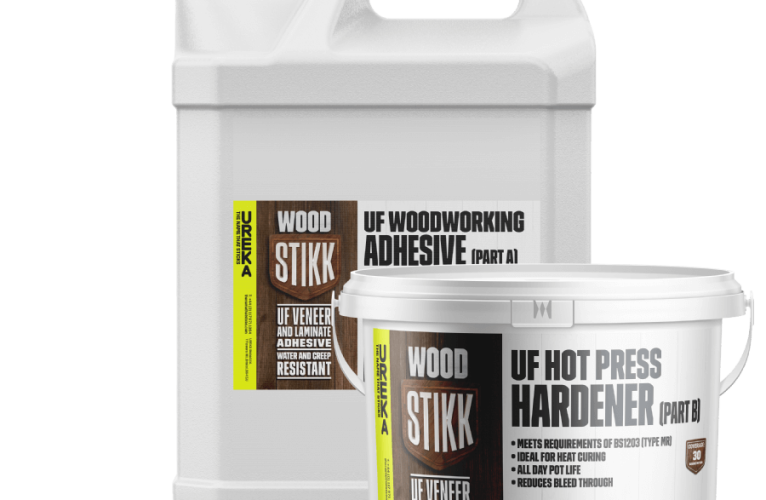
Veneer work has become an essential part of modern woodworking, offering the beauty of natural wood without the cost and weight of solid timber. Whether you are designing furniture, cabinets, or decorative panels, selecting the right veneer glue is crucial. The correct adhesive for wood veneer ensures a smooth finish, long-lasting bond, and a professional appearance.
In this blog, we’ll explore what veneer glue is, the types available, and how to choose the best adhesive for your woodworking needs.
What is Veneer Glue?
Veneer glue is a specially formulated adhesive used to bond thin slices of wood (veneers) to a base material such as plywood, MDF, or particleboard. Because veneers are delicate and flexible, the glue must provide strong adhesion without causing warping, bubbling, or seepage.
Using the right adhesive for wood veneer helps maintain the natural grain and beauty of the wood while ensuring durability over time.
Why Choosing the Right Adhesive Matters
Veneer applications require precision. Unlike solid wood joints, veneers are thin and can easily show imperfections. A poor choice of veneer glue can lead to:
- Air bubbles under the surface
- Peeling or lifting edges
- Uneven bonding
- Visible glue marks
That’s why selecting the proper adhesive for wood veneer is a key step in achieving high-quality results.
Types of Adhesives for Wood Veneer
There are several types of adhesives used in veneer work. Each has its own strengths and is suited to different applications.
- PVA Glue (Polyvinyl Acetate)
PVA is one of the most commonly used options for veneer glue.
Best for:
- Flat surfaces
- Furniture projects
- Indoor applications
Advantages:
- Easy to use
- Dries clear
- Affordable and widely available
- Contact Cement
Contact cement is another popular adhesive for wood veneer, especially for large surfaces.
Best for:
- Cabinets
- Countertops
- Vertical surfaces
Advantages:
- Instant bonding
- No clamps required
Limitations:
- No repositioning after contact
- Requires careful application
- Urea Formaldehyde Adhesive
This adhesive is often used in professional woodworking.
Best for:
- Large veneer panels
- Pressed applications
Advantages:
- Strong, rigid bond
- Minimal movement over time
- Smooth finish
- Epoxy Adhesive
Epoxy works well when dealing with difficult surfaces.
Best for:
- Uneven substrates
- Moisture-prone areas
Advantages:
- Gap-filling properties
- High durability
- Cold Press Veneer Glue
A specialized veneer glue designed for room-temperature curing.
Best for:
- Large surfaces
- Projects using clamps or presses
Advantages:
- Even bonding
- Longer working time
- Professional results
How to Choose the Best Adhesive for Wood Veneer
Selecting the right adhesive for wood veneer depends on several factors:
- Project Size
For large surfaces, contact cement or cold press veneer glue works best. Smaller projects can use PVA glue.
- Surface Condition
Smooth and flat surfaces work well with PVA, while uneven surfaces may require epoxy.
- Tools Available
If you have clamps or a press, cold press glue is ideal. Without them, contact cement is more convenient.
- Working Time
If you need time to adjust the veneer, choose adhesives with longer open time like PVA or cold press glue.
- Environmental Conditions
For areas exposed to humidity or temperature changes, choose a more durable adhesive.
Tips for Applying Veneer Glue
To achieve a flawless finish, proper application of veneer glue is essential:
- Prepare the surface: Clean, dry, and smooth surfaces ensure better bonding
- Apply evenly: Use a roller or brush to spread glue uniformly
- Use consistent pressure: Clamps or presses help eliminate air pockets
- Avoid excess glue: Too much adhesive can seep through the veneer
- Allow proper curing time: Follow recommended drying times for best results
Common Mistakes to Avoid
Even the best adhesive for wood veneer can fail if not used correctly. Avoid these common mistakes:
- Uneven glue application
- Skipping surface preparation
- Not applying enough pressure
- Rushing the drying process
- Choosing the wrong adhesive type
Being mindful of these issues will improve the quality of your work.
Benefits of Using the Right Veneer Glue
Using the correct veneer glue offers several advantages:
- Strong and durable bonding
- Smooth, bubble-free finish
- Enhanced appearance of wood grain
- Long-lasting performance
- Reduced risk of repairs
A good adhesive ensures that your veneer project remains stable and visually appealing for years.
Conclusion
Selecting the right veneer glue is essential for any successful woodworking project involving veneers. With various options available, choosing the right adhesive for wood veneer depends on your project size, tools, and working conditions.
By understanding the different adhesive types and applying them correctly, you can achieve a professional finish that highlights the natural beauty of wood. Whether you’re a beginner or an experienced craftsman, the right glue will help you create durable and stunning veneer surfaces every time.