
What Should You Expect from Professional Flood Cleanup in Ottawa?
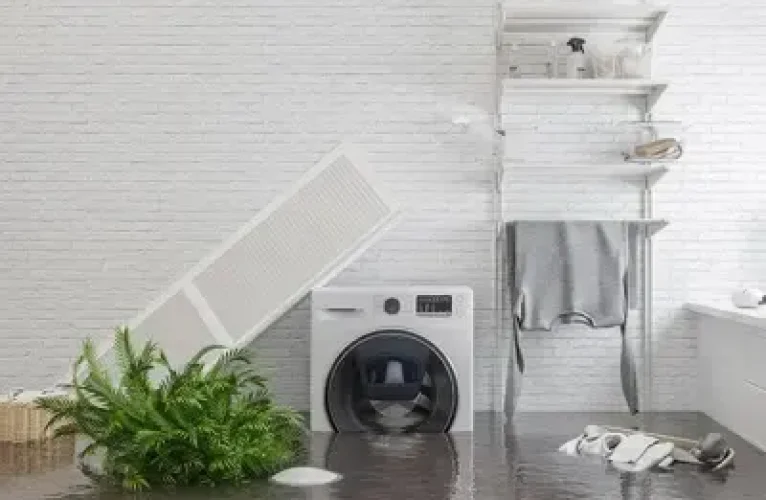
Flooding can cause serious damage to your home or business within minutes. Heavy rainfall, burst pipes, sewer backups, and melting snow can leave standing water, damage flooring, and create conditions for mould growth. When water enters your property, quick action helps reduce damage and protects your indoor environment. Professional restoration services provide the equipment, expertise, and organized approach needed to restore affected spaces.
Choosing professional flood cleanup Ottawa services helps property owners manage water damage safely and efficiently. From emergency water removal to structural drying and repairs, experienced restoration professionals guide you through each stage of the cleanup process. Understanding what to expect helps you make informed decisions and prepare for a smoother recovery.
Why Should You Choose Professional Flood Cleanup in Ottawa?
Floodwater can spread through floors, walls, insulation, and other building materials. Even after you remove visible water, hidden moisture can continue to damage your property. Professional technicians use specialized equipment to identify affected areas and address the source of the problem.
A professional cleanup team typically assesses the damage, removes standing water, dries affected materials, and recommends the necessary restoration work. Technicians also look for potential safety concerns, including electrical hazards, contaminated water, and early signs of mould.
Working with an experienced provider such as Ideal Response can help you understand the cleanup process and determine the next steps for your property. Professional support also helps you avoid common mistakes, such as closing up damp walls before they dry completely.
What Happens During the Initial Flood Damage Inspection?
The restoration process usually begins with a detailed inspection. Technicians examine the affected rooms, identify the likely source of the water, and evaluate the extent of the damage.
During this assessment, professionals may check:
- Water sources: They determine whether flooding came from a plumbing failure, stormwater, groundwater, or a sewer backup.
- Affected materials: They inspect carpets, drywall, flooring, insulation, and other building components.
- Moisture levels: They use moisture meters and other tools to identify damp areas that may not show visible damage.
- Safety concerns: They look for electrical risks, structural problems, and possible contamination.
The inspection helps the restoration team develop a suitable cleanup plan. Technicians can explain which materials may need drying, which items require specialized cleaning, and which damaged materials may need replacement.
How Do Professionals Remove Floodwater Quickly?
Water removal is one of the most important stages of flood restoration. Standing water can continue to soak into porous materials and increase the risk of long-term damage.
Professional technicians use commercial pumps, wet vacuums, and other extraction equipment to remove water efficiently. They select the appropriate method based on the water depth, the affected area, and the type of contamination.
Property owners should avoid entering flooded areas if electrical hazards or contaminated water may be present. Floodwater from sewer backups or outdoor flooding can contain harmful microorganisms and other pollutants.
Once the team removes standing water, technicians can begin the next stage: drying the structure and managing the moisture that remains inside building materials.
How Does Professional Structural Drying Prevent Further Damage?
Removing visible water does not guarantee that a property has dried completely. Moisture can remain inside drywall, wood, concrete, subfloors, and insulation. If technicians overlook these areas, the remaining moisture may contribute to material deterioration and mould growth.
Professional restoration teams use air movers, commercial dehumidifiers, and moisture-monitoring tools to support controlled drying. They monitor moisture levels throughout the process and adjust equipment placement when necessary.
The drying period depends on several factors, including the amount of water, the materials involved, ventilation, and indoor conditions. Technicians should explain their findings and use moisture readings to help determine when affected areas have dried sufficiently.
Thorough structural drying helps protect your property and creates a better foundation for repairs.
What Cleaning and Sanitizing Services Should You Expect?
Flood cleanup often involves more than water extraction and drying. Depending on the source of the water, affected surfaces may require cleaning, disinfection, or specialized remediation.
For example, clean water from a small supply-line leak presents different concerns from water that contains sewage or outdoor contaminants. Restoration professionals assess these differences before choosing suitable cleaning methods.
The cleanup process may include:
- Removing damaged debris and unsalvageable materials.
- Cleaning affected floors, walls, and other salvageable surfaces.
- Applying appropriate disinfectants when necessary.
- Addressing odours caused by contaminated materials or lingering moisture.
- Recommending mould assessment or remediation when conditions warrant it.
Professionals should also explain which personal belongings they can restore and which items may require disposal. Proper handling matters because some contaminated materials cannot be safely cleaned using ordinary household products.
When Should You Consider Flood Cleanup Toronto Services?
Flooding affects properties across Ontario, and restoration needs can vary by location. If you own property in Toronto or manage buildings in multiple cities, you may also need flood cleanup Toronto services.
Toronto properties can experience water damage from severe storms, plumbing failures, basement flooding, and sewer backups. A qualified restoration provider can assess the situation, remove water, dry affected structures, and coordinate the necessary cleanup and repairs.
When comparing providers in Ottawa and Toronto, consider their emergency response availability, equipment, staff training, insurance documentation, and ability to manage the full restoration process. Ask whether the company handles your specific type of water damage and whether it can explain the expected timeline.
Choosing a suitable service provider helps you address immediate damage while planning the remaining restoration work.
How Can You Protect Your Property During Flood Cleanup?
You can take several practical steps while waiting for professional assistance. However, always prioritize personal safety and follow instructions from emergency authorities.
Consider these precautions:
- Keep people and pets away from flooded areas that may contain contaminants.
- Avoid touching electrical equipment or outlets in wet spaces.
- Do not use household vacuums to remove standing water.
- Move unaffected belongings to a dry location only when it is safe to do so.
- Photograph visible damage for insurance documentation, provided you can do so safely.
- Contact your insurance provider and keep records of cleanup expenses and restoration communications.
If you suspect sewage contamination, avoid direct contact with the water and let trained professionals handle the cleanup. You should also address the source of the flooding before restoration work progresses.
What Should You Ask Before Hiring a Flood Cleanup Company?
Before hiring a restoration company, ask clear questions about its services and procedures. A reliable provider should explain the inspection process, water removal methods, drying equipment, cleaning requirements, and expected next steps.
You should also ask about emergency availability, project timelines, documentation for insurance claims, and any additional costs that may arise during restoration. Request a written estimate and clarify which services it covers.
Ideal Response can serve as a starting point when evaluating professional restoration support. As with any provider, confirm that the company’s services match your property’s needs and that it clearly communicates its approach to water damage restoration.
How Long Does Professional Flood Cleanup Take?
The timeline depends on the severity of the flooding and the extent of the damage. A small leak affecting a limited area may require less time than a flooded basement with saturated drywall, flooring, and insulation.
Water extraction may begin quickly, but structural drying can take several days or longer. Repairs, material replacement, and specialized remediation may extend the overall project.
Your restoration team should provide an initial estimate and update you as technicians assess moisture levels and uncover additional damage. Avoid rushing the drying process simply to finish repairs sooner.
What Is the Best Way to Recover After Flood Damage?
Professional flood restoration helps property owners manage water damage through inspection, extraction, structural drying, cleaning, and repairs. Each stage addresses a different concern, so a complete and carefully monitored process matters.
When you need flood cleanup Ottawa services, act quickly, prioritize safety, and choose professionals who explain their methods clearly. If you also manage property in Toronto, look for a provider with the right experience and resources for that location.
With prompt action and appropriate restoration support, you can reduce further damage, protect salvageable belongings, and move toward a safe return to normal use.