
What Skills Can You Develop Through an HBOT Certification Course?
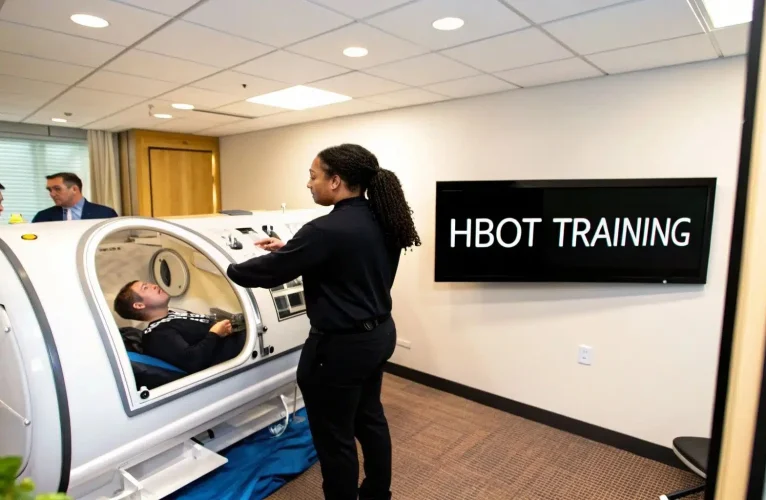
Hyperbaric oxygen therapy (HBOT) has gained attention in healthcare and wellness settings for its role in treating specific medical conditions under professional supervision. This therapy involves placing a patient inside a specialized chamber where they breathe oxygen in a pressurized environment. Operating this equipment requires technical knowledge, safety awareness, and an understanding of patient care.
An hbot certification course helps aspiring hyperbaric technicians and healthcare professionals develop the skills needed to support hyperbaric treatments safely and effectively. These programs introduce learners to chamber operations, oxygen safety, patient monitoring, and emergency procedures.
Whether you already work in healthcare or want to explore a career in hyperbaric services, structured training can strengthen your professional knowledge. Hyperbaric Business Solutions recognizes the importance of developing practical skills and understanding the responsibilities associated with hyperbaric chamber operations.
Which Technical Skills Can You Learn Through HBOT Training?
Technical knowledge forms the foundation of hyperbaric chamber operations. A well-structured training program introduces students to chamber components, pressure systems, oxygen delivery equipment, and operating procedures.
During training, you can learn how to:
- Identify the main components of hyperbaric chambers.
- Understand basic chamber pressure principles.
- Follow equipment operating instructions and safety protocols.
- Recognize potential equipment malfunctions.
- Perform authorized pre-session equipment checks.
- Maintain accurate treatment and equipment records.
These skills help technicians understand how different systems work together during a hyperbaric session. They also prepare learners to recognize problems and report them before they compromise patient safety.
However, completing a course does not automatically authorize someone to operate every type of chamber. Employers, applicable regulations, equipment requirements, and clinical protocols determine the qualifications and supervision needed for each role.
How Does Hyperbaric Oxygen Therapy Technician Training Improve Patient Care?
Patient care plays a central role in hyperbaric treatment. Technicians must understand that every patient has different needs, concerns, and medical considerations.
Hyperbaric oxygen therapy technician training can help learners develop the communication and observation skills required to support patients throughout treatment. Training may cover patient preparation, explaining procedures, maintaining comfort, and recognizing signs of distress.
You can develop skills such as:
- Communicating treatment instructions in simple language.
- Helping patients understand what to expect during a session.
- Observing patients for discomfort or unusual symptoms.
- Following established patient identification procedures.
- Maintaining patient privacy and confidentiality.
- Recording relevant observations accurately.
For example, a patient entering a hyperbaric chamber for the first time may feel anxious about the enclosed space or pressure changes. A trained technician can explain the process, answer appropriate questions, and alert the clinical team when the patient needs additional assistance.
Technicians must work within their scope of practice and follow instructions from qualified healthcare professionals. They should never independently diagnose conditions or change prescribed treatment settings without proper authorization.
What Oxygen Safety Skills Will You Develop During Training?
Oxygen safety represents one of the most important areas of hyperbaric education. Oxygen supports combustion, and the pressurized environment inside a hyperbaric chamber creates specific fire and equipment risks.
An effective certification program teaches students to recognize these hazards and follow established prevention procedures.
Important oxygen safety skills include:
- Understanding oxygen-related fire risks.
- Recognizing materials and products that may be prohibited inside a chamber.
- Following chamber cleaning and preparation requirements.
- Checking approved clothing and personal items before treatment.
- Understanding static electricity precautions.
- Following emergency shutdown and evacuation protocols where applicable.
- Reporting unsafe conditions immediately.
Training also helps learners appreciate why staff must follow manufacturer instructions and facility-specific safety policies. Even small mistakes, such as allowing an unauthorized electronic device into a chamber, can create serious hazards.
Hyperbaric Business Solutions emphasizes the value of professional preparation, consistent procedures, and a strong safety culture when building knowledge for hyperbaric operations.
Can an HBOT Certification Course Help You Handle Emergencies?
Emergency preparedness is another essential skill area. Although staff follow procedures to prevent incidents, they must also understand how to respond when equipment problems or patient emergencies occur.
An HBOT certification course may introduce learners to emergency communication, incident reporting, pressure-related concerns, and facility-specific response procedures.
Depending on the program, students may learn how to:
- Identify warning signs that require immediate attention.
- Communicate clearly with the clinical team.
- Follow established emergency response checklists.
- Understand basic chamber emergency systems.
- Participate in supervised emergency drills.
- Document incidents and follow reporting procedures.
Practical simulations can help learners become familiar with their responsibilities before they encounter an actual emergency. These exercises also reinforce the importance of teamwork and following approved protocols instead of making unauthorized decisions.
Emergency training should match the equipment, clinical environment, and responsibilities of the position. Additional qualifications, such as basic life support or other emergency response training, may also be required by an employer or local regulations.
Which Communication and Teamwork Skills Can You Build?
Hyperbaric services often involve technicians, physicians, nurses, and other healthcare professionals. Each team member contributes to treatment delivery, patient safety, and accurate documentation.
Training can help you communicate important information clearly, follow instructions, and coordinate tasks with colleagues. These abilities matter when preparing patients, checking equipment, recording treatment details, or reporting unexpected changes.
Strong communication skills include active listening, concise reporting, respectful patient interaction, and accurate handovers between staff members.
Teamwork also means recognizing the limits of your knowledge. A responsible technician asks questions when instructions seem unclear and escalates concerns instead of guessing.
Developing these professional habits can improve workplace efficiency and help create a more reliable environment for patients and staff.
How Can Certification Training Strengthen Your Problem-Solving Skills?
Hyperbaric technicians must pay attention to details and respond appropriately when something does not match the expected procedure.
A certification program can help students develop systematic thinking by teaching them to follow checklists, identify unusual readings, recognize equipment warnings, and report deviations from established protocols.
For instance, if a chamber displays an unexpected reading, a technician should follow the facility’s approved procedure and notify the appropriate personnel. The technician should not ignore the warning or attempt an unauthorized repair.
This approach develops discipline, situational awareness, and sound judgment. It also reinforces the difference between identifying a problem and having the authority to correct it.
Practical instruction, supervised experience, and regular refresher training can help professionals apply these skills more confidently in their daily responsibilities.
How Can an HBOT Certification Course Support Your Career Growth?
Hyperbaric training may support career development for healthcare professionals, technicians, and individuals exploring opportunities in hyperbaric facilities. The skills gained can provide a foundation for understanding chamber operations, safety requirements, and patient support.
Depending on your previous qualifications and local requirements, relevant career paths may include hyperbaric technician roles, chamber operations support, or other positions within facilities that provide hyperbaric services.
Before enrolling, evaluate the course curriculum, instructor qualifications, practical training opportunities, assessment methods, and recognition by relevant employers or professional organizations.
You should also confirm whether the program prepares you for a specific job role or provides introductory education only. A certificate does not necessarily represent a professional license or replace clinical qualifications, supervised experience, or employer-specific competency assessments.
What Should You Look for in a Quality HBOT Training Program?
Choosing the right course helps you build skills that match your professional goals. Look for a curriculum that balances theoretical knowledge with practical instruction and places patient safety at the center of every lesson.
Consider these factors before enrolling:
- Comprehensive curriculum: The course should cover chamber fundamentals, oxygen safety, patient monitoring, and emergency procedures.
- Practical learning: Hands-on demonstrations or supervised simulations can strengthen technical understanding.
- Qualified instructors: Review the instructors’ relevant experience and credentials.
- Clear learning outcomes: Confirm which skills you will develop and how the program assesses competency.
- Recognized qualifications: Check whether employers or relevant professional bodies accept the certificate for your intended role.
- Ongoing education: Look for guidance on refresher training and continued professional development.
Hyperbaric Business Solutions encourages prospective learners to assess training options carefully and select education that supports safe, responsible professional practice.
Why Are HBOT Certification Skills Important for Long-Term Success?
Working in hyperbaric services requires more than learning how to operate a chamber. Professionals need technical knowledge, patient communication skills, oxygen safety awareness, emergency preparedness, and a commitment to following clinical procedures.
An hbot certification course can help you develop this foundation while showing you where further supervised practice and specialized qualifications may be necessary. Through structured learning, you can better understand the responsibilities involved in supporting hyperbaric treatment.
By investing in suitable hyperbaric oxygen therapy technician training, you can strengthen your professional capabilities and prepare for opportunities in this specialized field. The most valuable training combines reliable instruction, practical skill development, and a consistent focus on patient safety.