
Why Every Business Should Understand Oracle ULA Agreement and Invest in Sam Managed Services
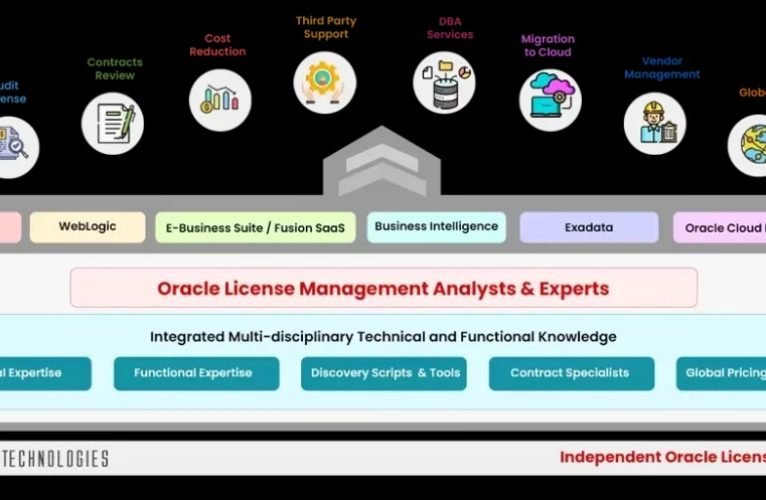
Managing enterprise software licenses has become increasingly complex as organizations expand their IT infrastructure and adopt cloud technologies. Businesses using Oracle products often face challenges related to software compliance, licensing costs, audits, and contract renewals. To maximize software investments while minimizing risks, organizations should understand the value of an Oracle ULA Agreement and the benefits of professional Sam Managed Services. Together, these solutions help businesses optimize licensing strategies, improve compliance, and reduce unnecessary software expenses.
An Oracle ULA Agreement is a licensing contract that allows organizations to deploy an unlimited number of specified Oracle software products for a defined period. This type of agreement is particularly beneficial for enterprises experiencing rapid growth or planning significant infrastructure expansion. Instead of purchasing additional licenses whenever new deployments are required, businesses can scale their Oracle environments without immediate licensing concerns during the agreement term.
One of the primary advantages of an Oracle ULA Agreement is flexibility. Organizations can implement Oracle products across multiple business units, projects, and locations while simplifying procurement processes. This flexibility enables IT teams to focus on innovation and digital transformation rather than constantly managing software license purchases.
However, successfully managing a ULA requires careful planning and continuous monitoring. Many organizations underestimate the importance of tracking software deployments, documenting usage, and preparing for certification at the end of the agreement period. Without proper oversight, businesses may encounter compliance challenges, unexpected licensing costs, or difficulties during Oracle audits.
At Rythium Technologies LLP, organizations receive expert guidance that helps simplify Oracle licensing strategies while ensuring long-term compliance and cost optimization. Experienced consultants assist businesses in understanding contractual obligations, software deployment practices, and licensing requirements to maximize the value of enterprise software investments.
Alongside licensing expertise, Sam Managed Services play an equally important role in modern IT governance. Software Asset Management (SAM) involves tracking, monitoring, and optimizing software assets throughout their lifecycle. As businesses adopt hybrid cloud environments and increasingly complex software portfolios, effective software asset management becomes essential for maintaining operational efficiency and regulatory compliance.
Professional Sam Managed Services provide organizations with complete visibility into their software environment. These services help identify unused licenses, eliminate redundant software, monitor license consumption, and ensure that software installations align with contractual agreements. This proactive approach reduces unnecessary expenses while improving overall software utilization.
One significant benefit of Sam Managed Services is audit preparedness. Software vendors regularly conduct compliance audits to verify licensing accuracy. Without accurate inventory records and deployment tracking, organizations may face financial penalties or unexpected true-up costs. Managed services continuously monitor software assets, making audit responses faster, more organized, and less stressful.
Cost optimization is another major advantage. Many organizations unknowingly purchase more software licenses than necessary due to limited visibility into actual usage. Through detailed analysis and ongoing monitoring, Sam Managed Services help businesses reclaim unused licenses, optimize renewals, and make informed purchasing decisions that align with operational requirements.
The combination of an Oracle ULA Agreement and effective software asset management creates a comprehensive licensing strategy. While the ULA provides deployment flexibility, ongoing asset management ensures that software usage remains compliant and well-documented throughout the agreement period. This integrated approach helps organizations avoid costly surprises when the agreement reaches its certification phase.
Technology environments continue to evolve with cloud migration, virtualization, containerization, and remote work infrastructure. These changes introduce additional licensing complexities that require specialized expertise. Organizations benefit from working with professionals who understand Oracle licensing policies, contractual terms, software deployment models, and industry best practices.
Another advantage of implementing structured software asset management is improved decision-making. Executive teams gain accurate reporting on software utilization, licensing trends, compliance status, and future requirements. These insights support strategic IT planning while reducing unnecessary operational risks.
Businesses should also recognize that software asset management is not a one-time activity. It requires continuous monitoring, regular assessments, policy updates, and collaboration across IT, procurement, finance, and legal departments. Establishing a long-term management strategy improves governance while maximizing software investment returns.
At Rythium Technologies LLP, organizations gain access to experienced professionals who help implement effective licensing strategies, optimize Oracle investments, and establish comprehensive software asset management practices tailored to evolving business needs. Their expertise enables enterprises to confidently navigate complex licensing environments while maintaining compliance and operational efficiency.
As enterprise software ecosystems continue to grow, organizations must adopt proactive licensing strategies rather than reactive compliance measures. Understanding the value of an Oracle ULA Agreement and leveraging professional Sam Managed Services enables businesses to reduce costs, improve governance, strengthen audit readiness, and maximize the return on their software investments. With the right strategy and expert support, organizations can focus on innovation while maintaining complete confidence in their software licensing and compliance posture.