
Why Is Specialized Design Important for Dementia Care Homes?
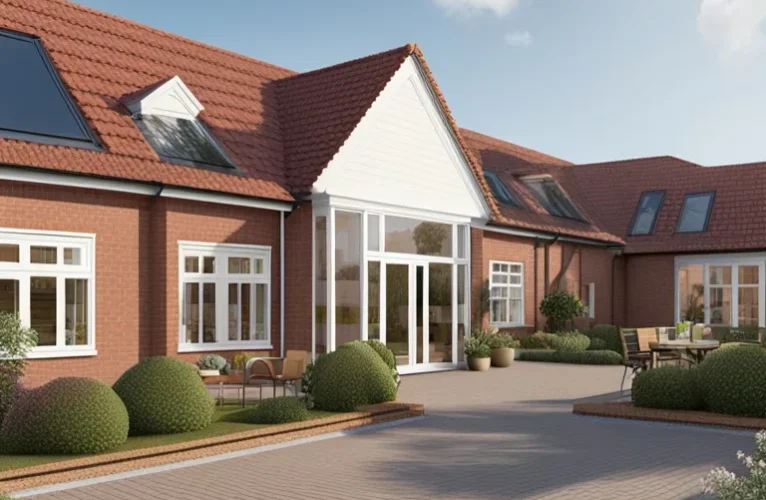
Dementia affects memory, perception, movement, communication, and the ability to understand surroundings. Because of these changes, a standard care home design may not provide the comfort, safety, and independence that residents need. Specialized design creates an environment that supports residents while making daily routines easier for caregivers.
A thoughtful dementia care home builder considers how residents experience every part of the building. From lighting and flooring to bedroom layouts and communal areas, each feature can influence comfort and confidence. The goal is not simply to create an attractive building. It is to create a familiar, calm, and supportive environment that responds to the needs of people living with dementia.
How Can Specialized Design Improve Resident Safety?
Safety remains one of the most important priorities in dementia care. Residents may become confused about where they are or may struggle to recognize hazards. Specialized design can reduce these risks through clear layouts, appropriate flooring, secure outdoor areas, and carefully positioned furniture.
For example, designers can reduce unnecessary steps, sharp corners, and confusing routes. Good lighting can make changes in floor levels easier to see, while non-slip flooring can reduce the likelihood of falls. Bathrooms can include suitable support features without making the space feel institutional.
A specialist dementia care home builder can combine safety measures with a welcoming appearance. This balance helps residents feel comfortable rather than restricted.
Why Are Familiar and Simple Layouts Important?
People living with dementia often benefit from environments that are easy to understand. Complicated corridors, identical doors, and large areas without clear visual cues can create confusion.
A specialized care home can use recognizable landmarks, distinct colors, pictures, signs, and simple pathways to help residents find their bedrooms, dining rooms, lounges, and gardens. Designers can also create smaller household-style areas instead of making residents navigate a large institutional building.
Simple layouts support independence because residents can move around with less assistance. When people can recognize where they are going, they may feel more confident and less anxious.
How Does Lighting Affect Dementia Care Home Design?
Lighting plays an important role in creating a comfortable environment. Poor lighting can increase shadows and make objects or pathways difficult to recognize. Excessive glare can also cause discomfort and confusion.
Specialized dementia design uses natural light wherever practical and combines it with suitable artificial lighting. Designers can create well-lit corridors, bedrooms, bathrooms, and communal areas while avoiding harsh glare.
Large windows and access to daylight can also help create a connection with the outdoors. Comfortable lighting can make the environment feel more natural and reduce the institutional appearance often associated with care facilities.
Can Color and Contrast Help Residents Navigate?
Color and contrast can provide useful visual information. However, designers should use them carefully rather than relying on decoration alone.
Contrasting colors can help residents identify important features. For instance, a bathroom door can stand out from surrounding walls, while toilet seats and grab rails can contrast with bathroom surfaces. Distinctive colors can also help residents recognize different communal areas.
A specialist designer understands that dementia can affect depth perception and the ability to distinguish objects. Appropriate contrast can therefore make everyday activities easier and safer.
Why Are Quiet Spaces Important for People With Dementia?
Busy environments can sometimes overwhelm residents. Loud conversations, televisions, alarms, and excessive activity may increase stress or confusion.
Specialized design can provide quiet rooms, smaller lounges, private seating areas, and peaceful outdoor spaces. These areas give residents opportunities to relax when communal spaces become too stimulating.
Acoustic planning also matters. Good sound insulation can reduce unwanted noise between bedrooms and shared areas. A calmer acoustic environment can support rest and make communication easier.
How Can Gardens Support Dementia-Friendly Living?
Outdoor spaces can provide valuable opportunities for movement, relaxation, social interaction, and sensory experiences. A dementia-friendly garden should offer more than attractive landscaping.
Safe walking routes can encourage residents to move independently. Seating areas can provide regular places to rest, while plants with familiar scents and textures can create sensory interest. Clear boundaries can help residents enjoy outdoor areas without unnecessary risks.
Accessible gardens also give care teams additional opportunities to organize meaningful activities, such as gardening, gentle exercise, or simply spending time outdoors.
When Should Care Home Refurbishment Include Dementia-Friendly Features?
Existing care homes may need improvements as residents’ needs change. Care home refurbishment provides an opportunity to introduce dementia-friendly features without necessarily constructing an entirely new facility.
Refurbishment can address issues such as poor lighting, confusing layouts, unsuitable flooring, outdated bathrooms, limited communal areas, and inaccessible gardens. It can also improve bedrooms and create more comfortable social spaces.
Before starting a project, owners should assess how residents currently use the building. This approach helps identify practical improvements that can make the greatest difference.
How Can Care Home Refurbishment Improve Everyday Independence?
Independence is an important part of quality care. Residents should have opportunities to make choices and complete appropriate activities themselves.
During care home refurbishment, designers can introduce features that encourage independent movement and daily routines. Clearly identified bedrooms, accessible storage, easy-to-use bathrooms, and convenient communal areas can reduce unnecessary dependence on staff.
Small changes can have meaningful benefits. A recognizable bedroom entrance or an easy-to-find dining area may help a resident complete a routine with less assistance.
Why Should Comfort Be Part of Dementia Care Design?
A care home should feel like a home rather than a clinical institution. Comfortable furniture, familiar materials, personal belongings, artwork, and residential-style interiors can help create a sense of belonging.
Designers can also create different spaces for different activities. Residents may want to socialize, watch television, read, eat, rest, or spend time alone. Providing suitable spaces for these activities allows residents to choose how they spend their day.
Personalization is particularly valuable. Familiar photographs, furniture, and decorative items can help residents connect with their surroundings and maintain a sense of identity.
How Does Good Design Support Care Staff?
Specialized design benefits caregivers as well as residents. Staff need to move efficiently through the building while maintaining appropriate supervision.
Well-planned layouts can reduce unnecessary walking distances and improve visibility. Convenient storage, accessible equipment areas, and practical staff spaces can make daily tasks more efficient.
A well-designed environment can therefore support both resident wellbeing and staff performance. When the building works logically, caregivers can spend more time focusing on meaningful interactions with residents.
Why Should Care Providers Choose Experienced Care Home Builders?
Dementia-friendly design requires careful planning and an understanding of how physical environments influence residents. Experienced Care Home Builders can consider safety, accessibility, comfort, functionality, and long-term usability during the design and construction process.
Professional builders can also coordinate refurbishment work while considering the operational requirements of a working care facility. This planning can help reduce disruption and ensure that improvements meet the needs of residents and staff.
Choosing specialists can make the difference between a building that simply meets basic requirements and one that genuinely supports dementia-friendly living.
What Should the Future of Dementia Care Home Design Look Like?
The future of dementia care design should focus on dignity, independence, comfort, and safety. Modern facilities should combine practical construction with human-centered thinking.
Technology may also become increasingly useful, but it should complement rather than replace thoughtful design. Smart lighting, monitoring systems, accessible communication tools, and other technologies can support care when they are introduced appropriately.
At its heart, successful dementia care design is about understanding the person who will use the building. Every corridor, bedroom, garden, bathroom, and communal space should have a clear purpose.
How Can Specialized Design Create Better Dementia Care Environments?
Specialized design matters because the physical environment can strongly influence how people with dementia experience everyday life. Clear layouts can reduce confusion, appropriate lighting can improve visibility, safe gardens can encourage activity, and familiar interiors can promote comfort.
Whether developing a new facility or completing care home refurbishment, providers should place dementia-friendly principles at the center of the project. Working with experienced Care Home Builders can help create spaces that are safer, more welcoming, and easier to navigate.
A successful dementia care home does more than provide accommodation. It creates an environment where residents can feel secure, maintain independence, enjoy meaningful activities, and experience a greater sense of home.