
Wood Adhesive & Best Wood Glue: A Complete Guide for Strong and Durable Woodworking
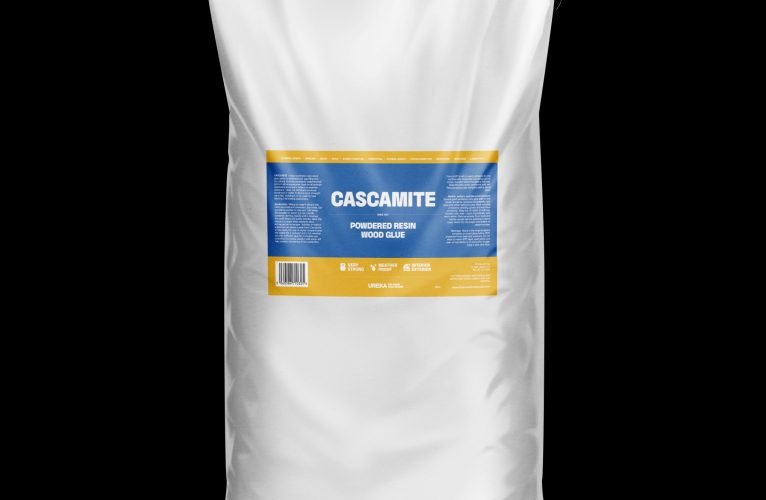
Woodworking is both an art and a science, requiring precision, patience, and the right materials. Among the most critical components of any woodworking project is the adhesive used to bond pieces together. Choosing the right wood adhesive and identifying the best wood glue can significantly impact the strength, durability, and overall quality of your work.
What Is Wood Adhesive?
Wood adhesive is a type of glue specifically designed to bond wood surfaces. Unlike general-purpose adhesives, it is formulated to penetrate wood fibers, creating a strong and long-lasting bond. Whether you are building furniture, repairing wooden items, or crafting decorative pieces, a reliable wood adhesive is essential.
Why Choosing the Best Wood Glue Matters
Selecting the best wood glue ensures that your project remains sturdy and durable over time. A poor-quality adhesive can result in weak joints, cracks, or even complete failure of the structure.
The best wood glue provides:
- Strong bonding strength
- Resistance to moisture and temperature changes
- Easy application and cleanup
- Long-lasting performance
By choosing the right wood adhesive, you can ensure your project stands the test of time.
Types of Wood Adhesive
There are various types of wood adhesive available, each suited for different applications. Understanding these options can help you choose the best wood glue for your needs.
1. PVA Glue (Polyvinyl Acetate)
PVA is one of the most common types of wood adhesive. It is easy to use, dries clear, and works well for most indoor projects. Many consider it the best wood glue for beginners and general woodworking tasks.
2. Polyurethane Glue
This type of wood adhesive is known for its strong bonding and water resistance. It is ideal for outdoor projects and areas exposed to moisture.
3. Epoxy Adhesive
Epoxy is a two-part adhesive that offers exceptional strength and durability. It is often used for heavy-duty applications and repairs.
4. Hide Glue
A traditional wood adhesive, hide glue is commonly used in antique furniture restoration. It offers a strong bond and can be reversed with heat and moisture.
5. Cyanoacrylate (Super Glue)
This fast-drying adhesive is useful for small repairs and quick fixes, though it may not be the best wood glue for large projects.
Key Features to Look For
When selecting a wood adhesive, consider the following features:
- Bond Strength: Ensures durability and stability
- Drying Time: Allows proper alignment before setting
- Water Resistance: Important for outdoor or humid environments
- Ease of Use: Suitable for your skill level
- Non-Toxic Formula: Safe for indoor use
The best wood glue will meet these criteria and suit your specific project requirements.
How to Use Wood Adhesive Effectively
Proper application of wood adhesive is crucial for achieving strong and reliable bonds. Follow these steps:
- Prepare the Surface: Ensure the wood is clean, dry, and smooth.
- Apply the Glue: Spread the best wood glue evenly on one or both surfaces.
- Join the Pieces: Align the wood pieces carefully.
- Apply Pressure: Use clamps to hold the pieces together firmly.
- Allow to Dry: Let the adhesive cure according to the manufacturer’s instructions.
Using the correct technique ensures that the wood adhesive performs at its best.
Common Mistakes to Avoid
Even with the best wood glue, mistakes can affect the outcome. Avoid these common errors:
- Applying too much or too little glue
- Not clamping the pieces properly
- Skipping surface preparation
- Rushing the drying process
- Using the wrong type of wood adhesive for the project
Avoiding these mistakes will help you achieve professional results.
Benefits of Using High-Quality Wood Adhesive
Investing in a premium wood adhesive offers several advantages:
- Stronger and more durable joints
- Improved appearance with clean finishes
- Resistance to environmental factors
- Reduced need for repairs
The best wood glue not only enhances the quality of your project but also saves time and effort in the long run.
Applications of Wood Adhesive
Wood adhesive and the best wood glue are widely used in:
- Furniture making
- Cabinet construction
- Flooring installation
- Decorative woodwork
- Repair and restoration projects
These adhesives are essential for both professional craftsmen and DIY enthusiasts.
Maintenance Tips
To maintain the strength of bonded wood, avoid exposing it to excessive moisture or heat. Regularly inspect joints for any signs of wear or damage.
If necessary, reapply the best wood glue to reinforce weak areas. Proper care ensures long-lasting results.
Conclusion
Choosing the right wood adhesive and identifying the best wood glue are crucial steps in any woodworking project. From ensuring strong bonding to enhancing durability, the right adhesive makes all the difference.
By understanding the different types of adhesives, following proper application techniques, and maintaining your work, you can achieve high-quality and long-lasting results. Whether you are a beginner or an experienced woodworker, the right glue is the foundation of successful craftsmanship.